
Painting Portrait of a Woman - Jean-Baptiste Perronneau | Art print


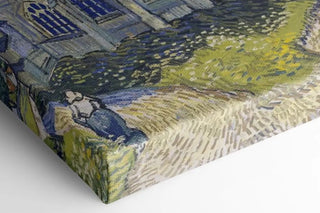
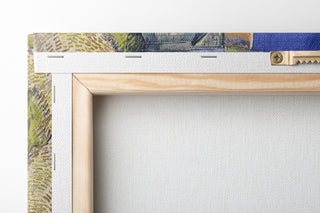
View from behind
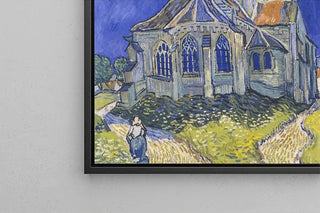
Frame (optional)
Portrait of a Woman - Jean-Baptiste Perronneau – Captivating Introduction
In the vast panorama of art history, certain works manage to transcend time and capture the very essence of humanity. "Portrait of a Woman" by Jean-Baptiste Perronneau perfectly fits into this category. Created in the 18th century, this painting embodies not only the technical virtuosity of its creator but also a profound sensitivity that still resonates today. This portrait, both intimate and universal, invites us to delve into the universe of feminine beauty and grace, while revealing the subtleties of an era marked by artistic and social upheavals.
Style and uniqueness of the work
Perronneau's style is distinguished by remarkable finesse and meticulous attention to detail. In "Portrait of a Woman," the delicacy of the features and the softness of the colors testify to an exceptional mastery of oil painting. The light, skillfully orchestrated, plays a crucial role, illuminating the woman's face with an almost ethereal softness. Every brushstroke seems to caress the canvas, offering a sensation of life and movement. The drapery of her clothing, seemingly light, contrasts with the depth of the background, creating an atmosphere that invites contemplation. The woman's posture, both elegant and natural, evokes a quiet confidence, while her gaze appears to capture a fleeting moment, as if she were aware of the eye observing her.
The artist and his influence
Jean-Baptiste Perronneau, often considered one of the masters of portraiture in the 18th century, knew how to establish himself through an innovative approach that blends tradition and modernity. Trained under the guidance of the great masters of his time, he developed a personal style that allowed him to stand out. His work is not limited to simple representations of faces; it is part of a quest for the human soul, exploring emotions and nuances of personality. Perronneau also played a key role in the evolution of French portraiture, influencing many artists who followed him. His ability to capture the psychology of his subjects, while incorporating elements of daily life
Painting Portrait of a Woman - Jean-Baptiste Perronneau | Art print

-10% FROM €95 IN PURCHASES
-15% FROM €195 IN PURCHASES
Regular price
- Unit price
- per
Tax included.
Free shipping
€4.90 / Free shipping on orders over €39
Satisfied or Money Back
Free returns within 30 days
10-year warranty
Our prints are guaranteed for 10 years
Any questions? We are here!
by email to contact@artemlegrand.com
THE STEPS OF YOUR ORDER

STEP 1 - ORDER PLACED
Your order has been confirmed and we are starting production
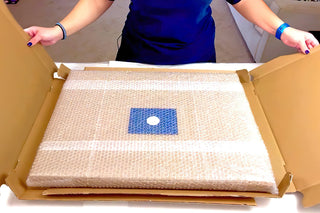
STEP 2 - SHIPPING
We ship your order. We send you an email to track the progress

STEP 3 - DELIVERY
You receive your order. You can also, according to your choice, be delivered to a relay point.
Matte finish
View from behind
Frame (optional)
Portrait of a Woman - Jean-Baptiste Perronneau – Captivating Introduction
In the vast panorama of art history, certain works manage to transcend time and capture the very essence of humanity. "Portrait of a Woman" by Jean-Baptiste Perronneau perfectly fits into this category. Created in the 18th century, this painting embodies not only the technical virtuosity of its creator but also a profound sensitivity that still resonates today. This portrait, both intimate and universal, invites us to delve into the universe of feminine beauty and grace, while revealing the subtleties of an era marked by artistic and social upheavals.
Style and uniqueness of the work
Perronneau's style is distinguished by remarkable finesse and meticulous attention to detail. In "Portrait of a Woman," the delicacy of the features and the softness of the colors testify to an exceptional mastery of oil painting. The light, skillfully orchestrated, plays a crucial role, illuminating the woman's face with an almost ethereal softness. Every brushstroke seems to caress the canvas, offering a sensation of life and movement. The drapery of her clothing, seemingly light, contrasts with the depth of the background, creating an atmosphere that invites contemplation. The woman's posture, both elegant and natural, evokes a quiet confidence, while her gaze appears to capture a fleeting moment, as if she were aware of the eye observing her.
The artist and his influence
Jean-Baptiste Perronneau, often considered one of the masters of portraiture in the 18th century, knew how to establish himself through an innovative approach that blends tradition and modernity. Trained under the guidance of the great masters of his time, he developed a personal style that allowed him to stand out. His work is not limited to simple representations of faces; it is part of a quest for the human soul, exploring emotions and nuances of personality. Perronneau also played a key role in the evolution of French portraiture, influencing many artists who followed him. His ability to capture the psychology of his subjects, while incorporating elements of daily life
12,34 €