
Painting Portrait of a Woman - Herman Verelst | Art print Source: Tableau Portrait d'une femme - Herman Verelst | Reproduction


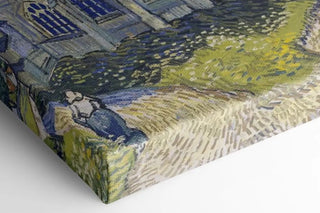
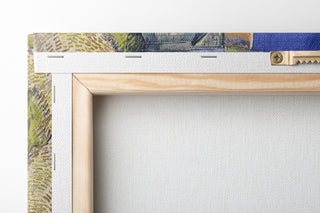
View from behind
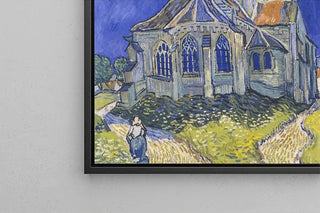
Frame (optional)
Portrait of a Woman - Herman Verelst – Captivating Introduction
The "Portrait of a Woman" by Herman Verelst stands out as a masterpiece of the 17th century, showcasing the skill of an artist whose talent captured the very essence of his subjects. This work, both intimate and majestic, invites the viewer to immerse themselves in a universe where beauty and human complexity intertwine. The delicacy of the features, the subtlety of the colors, and the profound expression of the woman's face make it a striking example of Verelst's virtuosity. This portrait, a true ode to femininity, evokes not only the aesthetics of its time but also a timeless sensitivity that continues to touch souls.
Style and uniqueness of the work
Verelst's work is characterized by an exceptional mastery of light and shadow, creating a depth effect that brings his subjects to life. In the "Portrait of a Woman," every detail, from the reflections in the eyes to the nuances of the clothing, is carefully crafted, demonstrating meticulous attention to texture and color. The choice of garments, richly adorned, highlights not only the social status of the woman but also her character. The drapes, both flowing and structured, add a dynamic dimension to the composition. This portrait does not merely depict a figure; it tells a story, that of a woman whose identity and emotions are palpable through her penetrating gaze and delicate gestures. The way Verelst plays with the elements of composition, placing his model in a space that feels both enclosed and open, enhances the sense of intimacy while suggesting a broader world.
The artist and his influence
Herman Verelst is an emblematic figure of Dutch Baroque, whose work marked his time with its psychological depth and commitment to realism. Trained in a rich artistic context, he managed to establish himself through his ability to transcend the conventions of his era. Verelst was particularly influenced by the masters of Flemish painting, but he also developed a unique style, characterized by a distinctive sensitivity to the portrayal of human emotions. His work has inspired
Painting Portrait of a Woman - Herman Verelst | Art print Source: Tableau Portrait d'une femme - Herman Verelst | Reproduction

-10% FROM €95 IN PURCHASES
-15% FROM €195 IN PURCHASES
Regular price
- Unit price
- per
Tax included.
Free shipping
€4.90 / Free shipping on orders over €39
Satisfied or Money Back
Free returns within 30 days
10-year warranty
Our prints are guaranteed for 10 years
Any questions? We are here!
by email to contact@artemlegrand.com
THE STEPS OF YOUR ORDER

STEP 1 - ORDER PLACED
Your order has been confirmed and we are starting production
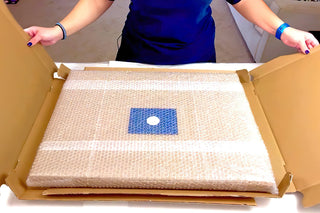
STEP 2 - SHIPPING
We ship your order. We send you an email to track the progress

STEP 3 - DELIVERY
You receive your order. You can also, according to your choice, be delivered to a relay point.
Matte finish
View from behind
Frame (optional)
Portrait of a Woman - Herman Verelst – Captivating Introduction
The "Portrait of a Woman" by Herman Verelst stands out as a masterpiece of the 17th century, showcasing the skill of an artist whose talent captured the very essence of his subjects. This work, both intimate and majestic, invites the viewer to immerse themselves in a universe where beauty and human complexity intertwine. The delicacy of the features, the subtlety of the colors, and the profound expression of the woman's face make it a striking example of Verelst's virtuosity. This portrait, a true ode to femininity, evokes not only the aesthetics of its time but also a timeless sensitivity that continues to touch souls.
Style and uniqueness of the work
Verelst's work is characterized by an exceptional mastery of light and shadow, creating a depth effect that brings his subjects to life. In the "Portrait of a Woman," every detail, from the reflections in the eyes to the nuances of the clothing, is carefully crafted, demonstrating meticulous attention to texture and color. The choice of garments, richly adorned, highlights not only the social status of the woman but also her character. The drapes, both flowing and structured, add a dynamic dimension to the composition. This portrait does not merely depict a figure; it tells a story, that of a woman whose identity and emotions are palpable through her penetrating gaze and delicate gestures. The way Verelst plays with the elements of composition, placing his model in a space that feels both enclosed and open, enhances the sense of intimacy while suggesting a broader world.
The artist and his influence
Herman Verelst is an emblematic figure of Dutch Baroque, whose work marked his time with its psychological depth and commitment to realism. Trained in a rich artistic context, he managed to establish himself through his ability to transcend the conventions of his era. Verelst was particularly influenced by the masters of Flemish painting, but he also developed a unique style, characterized by a distinctive sensitivity to the portrayal of human emotions. His work has inspired
12,34 €