
Painting Portrait of a Woman - Hans Holbein the Younger | Art print


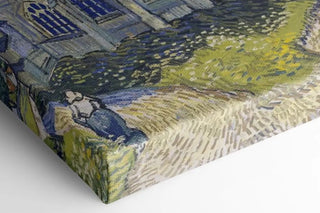
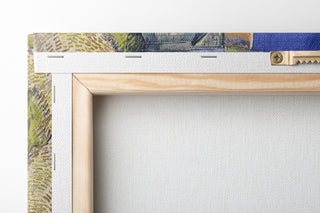
View from behind
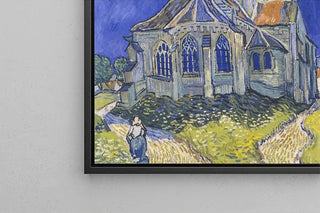
Frame (optional)
Portrait of a Woman - Hans Holbein the Younger – Captivating Introduction
The "Portrait of a Woman" by Hans Holbein the Younger is a work that transcends time and eras, capturing the essence of a period rich in nuances and details. This painting, created in the early 16th century, embodies not only the exceptional talent of its creator but also the spirit of a time marked by social and cultural upheavals. By contemplating this work, the viewer is invited to delve into a universe where beauty and psychological depth intertwine, revealing a woman whose gaze seems to carry the weight of reflections and emotions from a bygone era. This portrait is not merely a simple representation; it is a window into the human soul, an invitation to explore the subtleties of the female condition during the Renaissance.
Style and uniqueness of the work
Holbein's style is distinguished by its striking realism and its ability to capture the personality of its subjects with an almost photographic accuracy. In the "Portrait of a Woman," every detail, from the fabric of the dress to the delicately rendered jewelry, demonstrates unparalleled technical mastery. The color palette, both rich and subtle, creates an intimate atmosphere, while the carefully balanced composition highlights the elegant silhouette of the woman. Her expression, both gentle and enigmatic, evokes a palpable curiosity, prompting the viewer to wonder about her story and identity. Holbein manages to transcend the simple portrait to offer a true psychological study, revealing layers of meaning that continue to pique the interest of art historians and enthusiasts.
The artist and his influence
Hans Holbein the Younger, born in 1497, is often regarded as one of the greatest portraitists of the Renaissance. His ability to combine impeccable technique with human sensitivity has had a lasting impact on Western art. Working primarily at the court of Henry VIII, Holbein was able to capture not only the faces of the powerful but also the nuances of their character. His influence is still felt today, both in the way contemporary artists approach portraiture and in how human psychology is depicted on canvas. Holbein paved the way for a
Painting Portrait of a Woman - Hans Holbein the Younger | Art print

-10% FROM €95 IN PURCHASES
-15% FROM €195 IN PURCHASES
Regular price
- Unit price
- per
Tax included.
Free shipping
€4.90 / Free shipping on orders over €39
Satisfied or Money Back
Free returns within 30 days
10-year warranty
Our prints are guaranteed for 10 years
Any questions? We are here!
by email to contact@artemlegrand.com
THE STEPS OF YOUR ORDER

STEP 1 - ORDER PLACED
Your order has been confirmed and we are starting production
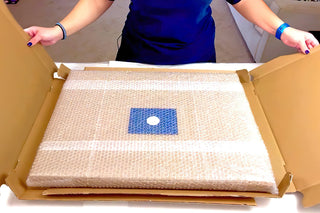
STEP 2 - SHIPPING
We ship your order. We send you an email to track the progress

STEP 3 - DELIVERY
You receive your order. You can also, according to your choice, be delivered to a relay point.
Matte finish
View from behind
Frame (optional)
Portrait of a Woman - Hans Holbein the Younger – Captivating Introduction
The "Portrait of a Woman" by Hans Holbein the Younger is a work that transcends time and eras, capturing the essence of a period rich in nuances and details. This painting, created in the early 16th century, embodies not only the exceptional talent of its creator but also the spirit of a time marked by social and cultural upheavals. By contemplating this work, the viewer is invited to delve into a universe where beauty and psychological depth intertwine, revealing a woman whose gaze seems to carry the weight of reflections and emotions from a bygone era. This portrait is not merely a simple representation; it is a window into the human soul, an invitation to explore the subtleties of the female condition during the Renaissance.
Style and uniqueness of the work
Holbein's style is distinguished by its striking realism and its ability to capture the personality of its subjects with an almost photographic accuracy. In the "Portrait of a Woman," every detail, from the fabric of the dress to the delicately rendered jewelry, demonstrates unparalleled technical mastery. The color palette, both rich and subtle, creates an intimate atmosphere, while the carefully balanced composition highlights the elegant silhouette of the woman. Her expression, both gentle and enigmatic, evokes a palpable curiosity, prompting the viewer to wonder about her story and identity. Holbein manages to transcend the simple portrait to offer a true psychological study, revealing layers of meaning that continue to pique the interest of art historians and enthusiasts.
The artist and his influence
Hans Holbein the Younger, born in 1497, is often regarded as one of the greatest portraitists of the Renaissance. His ability to combine impeccable technique with human sensitivity has had a lasting impact on Western art. Working primarily at the court of Henry VIII, Holbein was able to capture not only the faces of the powerful but also the nuances of their character. His influence is still felt today, both in the way contemporary artists approach portraiture and in how human psychology is depicted on canvas. Holbein paved the way for a
12,34 €