
Painting Portrait of a Woman - George Knapton | Art print


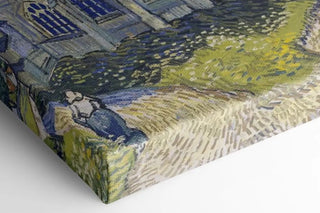
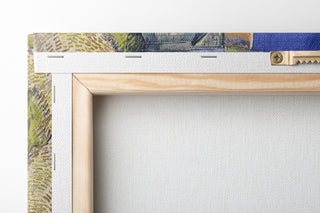
View from behind
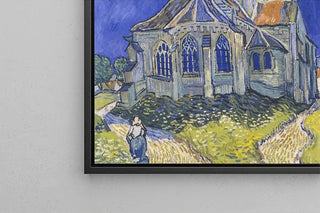
Frame (optional)
Portrait of a Woman - George Knapton – Captivating Introduction
The "Portrait of a Woman" by George Knapton is a work that transcends the simple frame of painting to become a true window into 18th-century history. This painting, imbued with remarkable delicacy and finesse, invites the viewer to immerse themselves in a universe where beauty and sophistication meet. Through this portrait, Knapton does not merely depict a female figure; he captures the very essence of her time, a moment when art and fashion intertwined to give birth to style icons. The piece, both intimate and universal, transports us to an era where every detail matters, where each brushstroke seems to whisper secrets from another time.
Style and uniqueness of the work
Knapton's style is distinguished by his ability to blend realism and idealization. In "Portrait of a Woman," the brightness of the colors and the softness of the features give the female figure an almost ethereal aura. The drapery of her dress, meticulously rendered, testifies to exceptional craftsmanship and attention to textures. The artist skillfully plays with light, creating subtle shadows that accentuate the contours of the face and clothing. This art print also stands out for its psychological approach; the expression of the woman, both serene and mysterious, evokes a multitude of questions in the viewer. Who is she? What are her dreams and desires? Thus, Knapton succeeds in establishing a dialogue between the work and its audience, an interaction that endures through the centuries.
The artist and his influence
George Knapton, born in 1698, is often recognized as one of the most eminent portraitists of his time. Trained in a rich and influential artistic context, he managed to establish himself thanks to his distinctive style that combines tradition and innovation. Knapton was a keen observer of social and cultural developments of his era, and this is reflected in his portraits where he depicts not only faces but personalities. His influence extends beyond his own work, inspiring many contemporary artists and successors to explore the complexity of the
Painting Portrait of a Woman - George Knapton | Art print

-10% FROM €95 IN PURCHASES
-15% FROM €195 IN PURCHASES
Regular price
- Unit price
- per
Tax included.
Free shipping
€4.90 / Free shipping on orders over €39
Satisfied or Money Back
Free returns within 30 days
10-year warranty
Our prints are guaranteed for 10 years
Any questions? We are here!
by email to contact@artemlegrand.com
THE STEPS OF YOUR ORDER

STEP 1 - ORDER PLACED
Your order has been confirmed and we are starting production
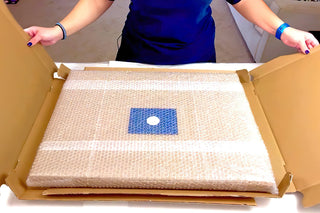
STEP 2 - SHIPPING
We ship your order. We send you an email to track the progress

STEP 3 - DELIVERY
You receive your order. You can also, according to your choice, be delivered to a relay point.
Matte finish
View from behind
Frame (optional)
Portrait of a Woman - George Knapton – Captivating Introduction
The "Portrait of a Woman" by George Knapton is a work that transcends the simple frame of painting to become a true window into 18th-century history. This painting, imbued with remarkable delicacy and finesse, invites the viewer to immerse themselves in a universe where beauty and sophistication meet. Through this portrait, Knapton does not merely depict a female figure; he captures the very essence of her time, a moment when art and fashion intertwined to give birth to style icons. The piece, both intimate and universal, transports us to an era where every detail matters, where each brushstroke seems to whisper secrets from another time.
Style and uniqueness of the work
Knapton's style is distinguished by his ability to blend realism and idealization. In "Portrait of a Woman," the brightness of the colors and the softness of the features give the female figure an almost ethereal aura. The drapery of her dress, meticulously rendered, testifies to exceptional craftsmanship and attention to textures. The artist skillfully plays with light, creating subtle shadows that accentuate the contours of the face and clothing. This art print also stands out for its psychological approach; the expression of the woman, both serene and mysterious, evokes a multitude of questions in the viewer. Who is she? What are her dreams and desires? Thus, Knapton succeeds in establishing a dialogue between the work and its audience, an interaction that endures through the centuries.
The artist and his influence
George Knapton, born in 1698, is often recognized as one of the most eminent portraitists of his time. Trained in a rich and influential artistic context, he managed to establish himself thanks to his distinctive style that combines tradition and innovation. Knapton was a keen observer of social and cultural developments of his era, and this is reflected in his portraits where he depicts not only faces but personalities. His influence extends beyond his own work, inspiring many contemporary artists and successors to explore the complexity of the
12,34 €