
Portrait of a man, perhaps Peter van Hecke - Peter Paul Rubens | Art print


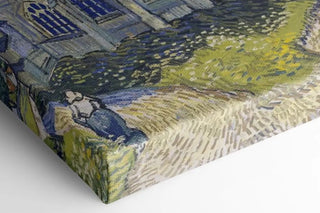
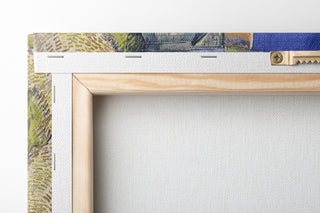
View from behind
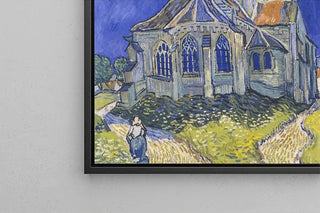
Frame (optional)
Portrait Art print of a man, perhaps Peter van Hecke - Peter Paul Rubens – Captivating introduction
Baroque art, with its richness and dynamism, finds one of its most beautiful expressions in the "Portrait of a man, perhaps Peter van Hecke" by Peter Paul Rubens. This work, imbued with mystery and depth, draws the eye and provokes curiosity. Who is this man whose face is frozen in a contemplation that is both serene and intense? Rubens, master of light and color, manages to capture not only the physical features of his model but also a part of his soul. This painting, which might seem simply representative, transforms into a psychological exploration, inviting the viewer to delve into the thoughts and emotions of its subject.
Style and uniqueness of the work
Rubens' style is distinguished by his ability to blend realism and idealization. In this portrait, the contours are delicately modeled, and the nuances of color reveal an unparalleled mastery of light. The man's face is bathed in soft light, emphasizing the details of his expression and hair. The sumptuous, richly textured clothing reflects a high social status, while adding a tactile dimension to the piece. The background, often dark in Rubens' portraits, allows the face to stand out strikingly, creating a palpable intimacy between the subject and the viewer. This stylistic choice, characteristic of many of his works, gives this portrait an atmosphere that is both solemn and captivating, where time seems suspended.
The artist and his influence
Peter Paul Rubens, an emblematic figure of the 17th century, is often celebrated for his contribution to Western art. His dynamic approach and ability to express intense emotions marked an era and influenced many artists. As a court painter, he skillfully balanced the demands of his patrons with his personal artistic vision. Rubens was also a pioneer in the use of color and light, elements that became hallmarks of his style. His impact extends far beyond his time, inspiring generations of artists, from the Baroque period to modern art. This portrait, at the crossroads of
Portrait of a man, perhaps Peter van Hecke - Peter Paul Rubens | Art print

-10% FROM €95 IN PURCHASES
-15% FROM €195 IN PURCHASES
Regular price
- Unit price
- per
Tax included.
Free shipping
€4.90 / Free shipping on orders over €39
Satisfied or Money Back
Free returns within 30 days
10-year warranty
Our prints are guaranteed for 10 years
Any questions? We are here!
by email to contact@artemlegrand.com
THE STEPS OF YOUR ORDER
STEP 1 - ORDER PLACED
Your order has been confirmed and we are starting production
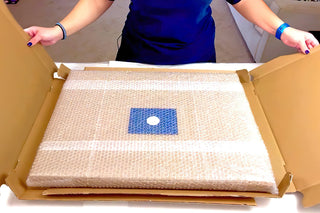
STEP 2 - SHIPPING
We ship your order. We send you an email to track the progress

STEP 3 - DELIVERY
You receive your order. You can also, according to your choice, be delivered to a relay point.
Matte finish
View from behind
Frame (optional)
Portrait Art print of a man, perhaps Peter van Hecke - Peter Paul Rubens – Captivating introduction
Baroque art, with its richness and dynamism, finds one of its most beautiful expressions in the "Portrait of a man, perhaps Peter van Hecke" by Peter Paul Rubens. This work, imbued with mystery and depth, draws the eye and provokes curiosity. Who is this man whose face is frozen in a contemplation that is both serene and intense? Rubens, master of light and color, manages to capture not only the physical features of his model but also a part of his soul. This painting, which might seem simply representative, transforms into a psychological exploration, inviting the viewer to delve into the thoughts and emotions of its subject.
Style and uniqueness of the work
Rubens' style is distinguished by his ability to blend realism and idealization. In this portrait, the contours are delicately modeled, and the nuances of color reveal an unparalleled mastery of light. The man's face is bathed in soft light, emphasizing the details of his expression and hair. The sumptuous, richly textured clothing reflects a high social status, while adding a tactile dimension to the piece. The background, often dark in Rubens' portraits, allows the face to stand out strikingly, creating a palpable intimacy between the subject and the viewer. This stylistic choice, characteristic of many of his works, gives this portrait an atmosphere that is both solemn and captivating, where time seems suspended.
The artist and his influence
Peter Paul Rubens, an emblematic figure of the 17th century, is often celebrated for his contribution to Western art. His dynamic approach and ability to express intense emotions marked an era and influenced many artists. As a court painter, he skillfully balanced the demands of his patrons with his personal artistic vision. Rubens was also a pioneer in the use of color and light, elements that became hallmarks of his style. His impact extends far beyond his time, inspiring generations of artists, from the Baroque period to modern art. This portrait, at the crossroads of
12,34 €