
Portrait of a man and a servant carrying a wallet - John Hamilton Mortimer | Art print


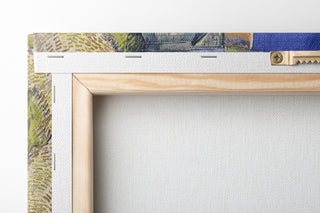
View from behind
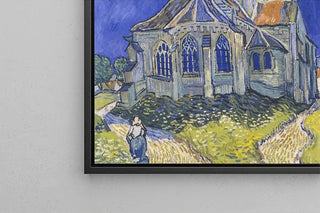
Frame (optional)
Art print Portrait of a man and a servant carrying a wallet - John Hamilton Mortimer – Captivating introduction
In the fascinating world of 18th-century British art, the work "Portrait of a man and a servant carrying a wallet" by John Hamilton Mortimer stands out for its elegance and narrative depth. This painting, depicting a frozen moment in time, invites the viewer to explore the subtleties of human relationships through the lens of a portrait. The composition, imbued with realism, not only evokes the identity of the depicted figures but also reflects the social and cultural contexts of their era. The atmosphere emanating from this piece is both intriguing and captivating, offering a glimpse into the power and service dynamics that governed society.
Style and uniqueness of the work
Mortimer's style is characterized by an exceptional mastery of chiaroscuro, which gives his characters an almost tangible presence. In this portrait, the play of light accentuates the features of the figures, revealing subtle emotions and a richness of expressions. The way the artist renders the textures of clothing and accessories, notably the wallet that appears almost in relief, demonstrates his attention to detail and technical skill. Every element of the composition, from the knowing look between the man and his servant to the confident posture of the latter, contributes to creating a visual narrative. This painting does not merely depict human figures; it tells a story, that of a time when social roles were clearly defined, but nuances of complicity and respect could also exist.
The artist and his influence
John Hamilton Mortimer, born in 1740, is an artist whose work has often been overshadowed by his contemporaries. Yet, he played a crucial role in the development of portraiture in Great Britain, blending Dutch and Italian influences in his practice. Mortimer was able to capture the essence of his subjects with rare sensitivity, which allowed him to stand out in a rapidly evolving artistic environment. His commitment to realistic representation of human figures and emotions paved the way for future artists, who saw in him a role model. The richness of his work, both technically and narratively, continues to
Portrait of a man and a servant carrying a wallet - John Hamilton Mortimer | Art print

-10% FROM €95 IN PURCHASES
-15% FROM €195 IN PURCHASES
Regular price
- Unit price
- per
Tax included.
Free shipping
€4.90 / Free shipping on orders over €39
Satisfied or Money Back
Free returns within 30 days
10-year warranty
Our prints are guaranteed for 10 years
Any questions? We are here!
by email to contact@artemlegrand.com
THE STEPS OF YOUR ORDER

STEP 1 - ORDER PLACED
Your order has been confirmed and we are starting production

STEP 2 - SHIPPING
We ship your order. We send you an email to track the progress

STEP 3 - DELIVERY
You receive your order. You can also, according to your choice, be delivered to a relay point.
Matte finish
View from behind
Frame (optional)
Art print Portrait of a man and a servant carrying a wallet - John Hamilton Mortimer – Captivating introduction
In the fascinating world of 18th-century British art, the work "Portrait of a man and a servant carrying a wallet" by John Hamilton Mortimer stands out for its elegance and narrative depth. This painting, depicting a frozen moment in time, invites the viewer to explore the subtleties of human relationships through the lens of a portrait. The composition, imbued with realism, not only evokes the identity of the depicted figures but also reflects the social and cultural contexts of their era. The atmosphere emanating from this piece is both intriguing and captivating, offering a glimpse into the power and service dynamics that governed society.
Style and uniqueness of the work
Mortimer's style is characterized by an exceptional mastery of chiaroscuro, which gives his characters an almost tangible presence. In this portrait, the play of light accentuates the features of the figures, revealing subtle emotions and a richness of expressions. The way the artist renders the textures of clothing and accessories, notably the wallet that appears almost in relief, demonstrates his attention to detail and technical skill. Every element of the composition, from the knowing look between the man and his servant to the confident posture of the latter, contributes to creating a visual narrative. This painting does not merely depict human figures; it tells a story, that of a time when social roles were clearly defined, but nuances of complicity and respect could also exist.
The artist and his influence
John Hamilton Mortimer, born in 1740, is an artist whose work has often been overshadowed by his contemporaries. Yet, he played a crucial role in the development of portraiture in Great Britain, blending Dutch and Italian influences in his practice. Mortimer was able to capture the essence of his subjects with rare sensitivity, which allowed him to stand out in a rapidly evolving artistic environment. His commitment to realistic representation of human figures and emotions paved the way for future artists, who saw in him a role model. The richness of his work, both technically and narratively, continues to
12,34 €