
Painting Portrait of a Lady - Pieter Nason | Art print


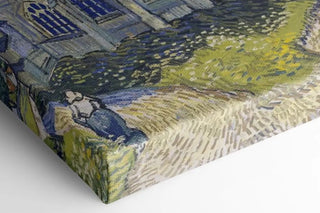
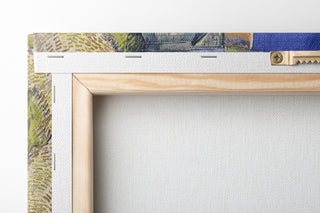
View from behind
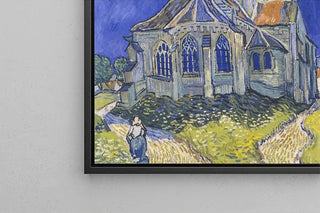
Frame (optional)
In the fascinating world of 17th-century painting, the "Portrait of a Lady" by Pieter Nason stands out for its elegance and psychological depth. This artwork, emblematic of Dutch style, immerses us in a world where every detail matters, where each gaze tells a story. The apparent simplicity of the composition conceals a richness of emotion, and the artist manages to capture the very essence of her model with remarkable finesse. The art print of this piece invites attentive contemplation, offering a glimpse of the timeless beauty that characterizes Nason's work.
Style and uniqueness of the work
The "Portrait of a Lady" is characterized by a style that combines realism and subtlety. Nason, a master of the portrait, succeeds in creating an intimate atmosphere by playing with light and shadow. The chosen color palette is both soft and vibrant, accentuating the delicate features of the lady's face. The details of her attire, carefully rendered, testify to exceptional craftsmanship, with each fold of fabric seeming to come alive under the artist's brush. This portrait does not merely depict a female figure; it evokes a personality, a story, a moment frozen in time. The way Nason handles textures, whether skin or fabrics, reveals meticulous attention to detail, making this work a perfect example of Baroque portraiture.
The artist and his influence
Pieter Nason, active in the second half of the 17th century, is a Dutch painter whose work continues the legacy of the great masters of his era. Trained in the workshops of the time, he developed a style that is uniquely his own, blending tradition and innovation. His influence is felt not only through his portraits but also through his approach to light and composition. Nason was able to capture the soul of his subjects, a trait that inspired many artists after him. His work, although less well-known than that of his contemporaries, deserves special attention, as it illustrates stylistic evolutions in Dutch painting and demonstrates remarkable craftsmanship.
Painting Portrait of a Lady - Pieter Nason | Art print

-10% FROM €95 IN PURCHASES
-15% FROM €195 IN PURCHASES
Regular price
- Unit price
- per
Tax included.
Free shipping
€4.90 / Free shipping on orders over €39
Satisfied or Money Back
Free returns within 30 days
10-year warranty
Our prints are guaranteed for 10 years
Any questions? We are here!
by email to contact@artemlegrand.com
THE STEPS OF YOUR ORDER

STEP 1 - ORDER PLACED
Your order has been confirmed and we are starting production
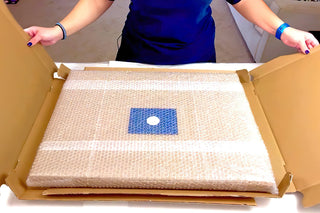
STEP 2 - SHIPPING
We ship your order. We send you an email to track the progress

STEP 3 - DELIVERY
You receive your order. You can also, according to your choice, be delivered to a relay point.
Matte finish
View from behind
Frame (optional)
In the fascinating world of 17th-century painting, the "Portrait of a Lady" by Pieter Nason stands out for its elegance and psychological depth. This artwork, emblematic of Dutch style, immerses us in a world where every detail matters, where each gaze tells a story. The apparent simplicity of the composition conceals a richness of emotion, and the artist manages to capture the very essence of her model with remarkable finesse. The art print of this piece invites attentive contemplation, offering a glimpse of the timeless beauty that characterizes Nason's work.
Style and uniqueness of the work
The "Portrait of a Lady" is characterized by a style that combines realism and subtlety. Nason, a master of the portrait, succeeds in creating an intimate atmosphere by playing with light and shadow. The chosen color palette is both soft and vibrant, accentuating the delicate features of the lady's face. The details of her attire, carefully rendered, testify to exceptional craftsmanship, with each fold of fabric seeming to come alive under the artist's brush. This portrait does not merely depict a female figure; it evokes a personality, a story, a moment frozen in time. The way Nason handles textures, whether skin or fabrics, reveals meticulous attention to detail, making this work a perfect example of Baroque portraiture.
The artist and his influence
Pieter Nason, active in the second half of the 17th century, is a Dutch painter whose work continues the legacy of the great masters of his era. Trained in the workshops of the time, he developed a style that is uniquely his own, blending tradition and innovation. His influence is felt not only through his portraits but also through his approach to light and composition. Nason was able to capture the soul of his subjects, a trait that inspired many artists after him. His work, although less well-known than that of his contemporaries, deserves special attention, as it illustrates stylistic evolutions in Dutch painting and demonstrates remarkable craftsmanship.
12,34 €