
Painting Portrait of a lady from the Skrzyński family - Josef Grassi


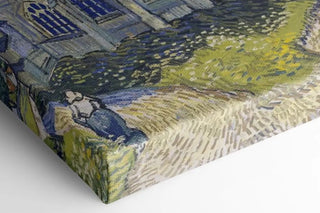
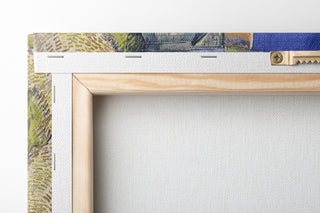
View from behind
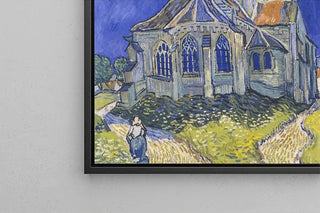
Frame (optional)
Josef Grassi's "Portrait of a Lady from the Skrzyński Family" is a work that transcends the simple frame of painting to immerse the viewer in an intimate and emotionally rich universe. Created in the 18th century, this masterpiece reflects an era when Polish nobility was distinguished by its refinement and taste for the arts. The depiction of this lady, whose identity remains mysterious, evokes a fascination nourished by the elegance of her pose and the delicacy of the details. Light caresses her face, revealing a timeless beauty that seems to defy the ages. This portrait, both personal and universal, invites us to contemplate not only the appearance of its subject but also the stories and emotions hidden behind that gaze.
Style and uniqueness of the work
Josef Grassi's style is characterized by an exceptional mastery of colors and meticulous attention to detail. In this art print, the subtle nuances of the lady's dress, as well as the delicate reflections of light on her skin, testify to refined pictorial technique. The composition is carefully balanced, with each element arranged to direct the viewer's attention toward the lady's face, which is the true focal point of the piece. The decorative elements, although present, never distract the eye; on the contrary, they enrich the context in which the character evolves. This ability to create an intimate atmosphere, both warm and emotionally charged, is one of Grassi's hallmarks and contributes to making this art print a unique piece in the panorama of Baroque art.
The artist and his influence
Josef Grassi, an Austrian-born painter, established himself in the Polish artistic landscape of the 18th century thanks to his undeniable talent and distinctive style. Trained in the traditions of Baroque painting, he managed to incorporate local influences while preserving a touch of European elegance. His ability to capture the psychology of characters through their expressions and postures is one of the reasons his works continue to inspire contemporary artists. Grassi also
Painting Portrait of a lady from the Skrzyński family - Josef Grassi

-10% FROM €95 IN PURCHASES
-15% FROM €195 IN PURCHASES
Regular price
- Unit price
- per
Tax included.
Free shipping
€4.90 / Free shipping on orders over €39
Satisfied or Money Back
Free returns within 30 days
10-year warranty
Our prints are guaranteed for 10 years
Any questions? We are here!
by email to contact@artemlegrand.com
THE STEPS OF YOUR ORDER

STEP 1 - ORDER PLACED
Your order has been confirmed and we are starting production
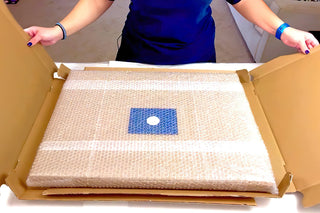
STEP 2 - SHIPPING
We ship your order. We send you an email to track the progress

STEP 3 - DELIVERY
You receive your order. You can also, according to your choice, be delivered to a relay point.
Matte finish
View from behind
Frame (optional)
Josef Grassi's "Portrait of a Lady from the Skrzyński Family" is a work that transcends the simple frame of painting to immerse the viewer in an intimate and emotionally rich universe. Created in the 18th century, this masterpiece reflects an era when Polish nobility was distinguished by its refinement and taste for the arts. The depiction of this lady, whose identity remains mysterious, evokes a fascination nourished by the elegance of her pose and the delicacy of the details. Light caresses her face, revealing a timeless beauty that seems to defy the ages. This portrait, both personal and universal, invites us to contemplate not only the appearance of its subject but also the stories and emotions hidden behind that gaze.
Style and uniqueness of the work
Josef Grassi's style is characterized by an exceptional mastery of colors and meticulous attention to detail. In this art print, the subtle nuances of the lady's dress, as well as the delicate reflections of light on her skin, testify to refined pictorial technique. The composition is carefully balanced, with each element arranged to direct the viewer's attention toward the lady's face, which is the true focal point of the piece. The decorative elements, although present, never distract the eye; on the contrary, they enrich the context in which the character evolves. This ability to create an intimate atmosphere, both warm and emotionally charged, is one of Grassi's hallmarks and contributes to making this art print a unique piece in the panorama of Baroque art.
The artist and his influence
Josef Grassi, an Austrian-born painter, established himself in the Polish artistic landscape of the 18th century thanks to his undeniable talent and distinctive style. Trained in the traditions of Baroque painting, he managed to incorporate local influences while preserving a touch of European elegance. His ability to capture the psychology of characters through their expressions and postures is one of the reasons his works continue to inspire contemporary artists. Grassi also
12,34 €