
Painting Portrait of a lady, perhaps Ann St John Wilmot - Sir Peter Lely


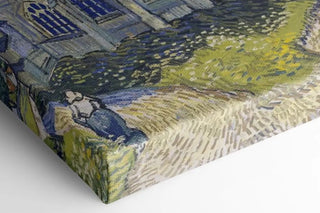
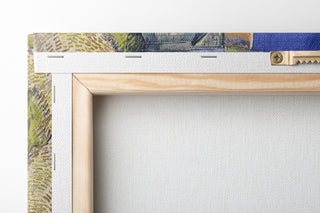
View from behind
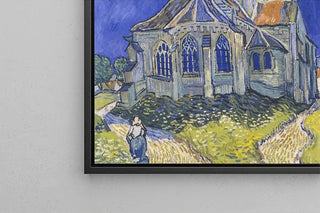
Frame (optional)
The "Art print of a portrait of a lady, perhaps Ann St John Wilmot" by Sir Peter Lely is a work that transcends the simple frame of a representation. It embodies not only the aesthetics of the 17th century but also the subtleties of an era where art served as a mirror to social and cultural dynamics. In the context of Restoration England, this painting evokes refined nobility, while also revealing the intimacy of a gaze. The beauty of the subject, with her delicate expression and sumptuous attire, invites the viewer to a deep contemplation, almost as if one could perceive the hidden thoughts behind this serene face.
Style and uniqueness of the work
Lely's technique, characterized by his masterful use of light and shadow, gives this art print a striking depth. The drapery of the clothing, rendered with remarkable precision, highlights the artist's mastery in depicting textures and materials. The color palette, soft and harmonious, evokes an atmosphere of calm and dignity. Every detail, from the sparkling jewelry to the elaborate hairstyle, contributes to a composition where each element seems to play a specific role in the visual storytelling. This portrait does not merely capture the physical appearance of its subject; it also suggests a personality, a story, and a place in a rapidly changing world.
The artist and his influence
Sir Peter Lely, born in Delft in 1618, is one of the most prominent portraitists of his time, recognized for his ability to immortalize the English nobility with unmatched elegance. His career, spanning several decades, is marked by prestigious commissions, and he became the official painter of the English court under Charles II. Lely skillfully combined Flemish influences with a distinct English style, creating a unique artistic signature. His impact on the art world is undeniable, inspiring many artists who followed in his footsteps. The finesse of his work, combined with a deep understanding of human psychology, makes him a key figure in the history of Baroque art.
An exceptional wall decoration signed Artem
Painting Portrait of a lady, perhaps Ann St John Wilmot - Sir Peter Lely

-10% FROM €95 IN PURCHASES
-15% FROM €195 IN PURCHASES
Regular price
- Unit price
- per
Tax included.
Free shipping
€4.90 / Free shipping on orders over €39
Satisfied or Money Back
Free returns within 30 days
10-year warranty
Our prints are guaranteed for 10 years
Any questions? We are here!
by email to contact@artemlegrand.com
THE STEPS OF YOUR ORDER

STEP 1 - ORDER PLACED
Your order has been confirmed and we are starting production
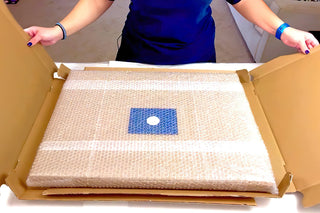
STEP 2 - SHIPPING
We ship your order. We send you an email to track the progress

STEP 3 - DELIVERY
You receive your order. You can also, according to your choice, be delivered to a relay point.
Matte finish
View from behind
Frame (optional)
The "Art print of a portrait of a lady, perhaps Ann St John Wilmot" by Sir Peter Lely is a work that transcends the simple frame of a representation. It embodies not only the aesthetics of the 17th century but also the subtleties of an era where art served as a mirror to social and cultural dynamics. In the context of Restoration England, this painting evokes refined nobility, while also revealing the intimacy of a gaze. The beauty of the subject, with her delicate expression and sumptuous attire, invites the viewer to a deep contemplation, almost as if one could perceive the hidden thoughts behind this serene face.
Style and uniqueness of the work
Lely's technique, characterized by his masterful use of light and shadow, gives this art print a striking depth. The drapery of the clothing, rendered with remarkable precision, highlights the artist's mastery in depicting textures and materials. The color palette, soft and harmonious, evokes an atmosphere of calm and dignity. Every detail, from the sparkling jewelry to the elaborate hairstyle, contributes to a composition where each element seems to play a specific role in the visual storytelling. This portrait does not merely capture the physical appearance of its subject; it also suggests a personality, a story, and a place in a rapidly changing world.
The artist and his influence
Sir Peter Lely, born in Delft in 1618, is one of the most prominent portraitists of his time, recognized for his ability to immortalize the English nobility with unmatched elegance. His career, spanning several decades, is marked by prestigious commissions, and he became the official painter of the English court under Charles II. Lely skillfully combined Flemish influences with a distinct English style, creating a unique artistic signature. His impact on the art world is undeniable, inspiring many artists who followed in his footsteps. The finesse of his work, combined with a deep understanding of human psychology, makes him a key figure in the history of Baroque art.
An exceptional wall decoration signed Artem
12,34 €