
Painting Portrait of a Lady - Joseph Wright of Derby | Art print Source: Tableau Portrait d'une dame - Joseph Wright de Derby | Reproduction


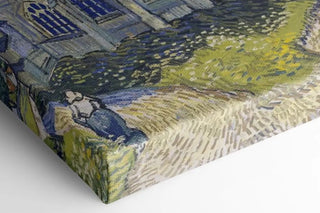
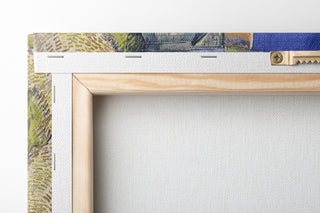
View from behind
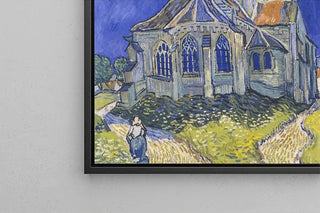
Frame (optional)
Portrait of a Lady - Joseph Wright of Derby – Captivating Introduction
In the fascinating universe of art, certain works transcend time and capture the essence of an era with such intensity that they continue to ignite the imagination of viewers. The "Portrait of a Lady" by Joseph Wright of Derby is one of these iconic creations. Created in the 18th century, this painting embodies not only the undeniable talent of its artist but also a pivotal moment in the history of British art. Through this portrait, Wright invites us to delve into a world where light and shadow dance across a woman's face, revealing an emotional depth that leaves no one indifferent.
Style and uniqueness of the work
The "Portrait of a Lady" stands out for its masterful use of light, a characteristic that earned Wright particular fame. The artist, often associated with the chiaroscuro movement, manages here to create an intimate and mysterious atmosphere. The lady's face, subtly illuminated, seems to emanate an aura of serenity and reflection, while shadows envelop the rest of the composition, adding a dramatic dimension to the whole. The meticulous details, from the textures of the clothing to the delicate expressions, testify to exceptional craftsmanship. This portrait is not limited to a simple representation; it evokes a story, a personality, and an era, inviting the viewer to question the identity of the lady and the context in which she exists.
The artist and his influence
Joseph Wright of Derby, born in 1734, is often regarded as one of the precursors of Romanticism in art. His ability to capture deep human emotions and play with light influenced many artists of his time and subsequent generations. Wright mastered blending realism with an almost theatrical approach, making his works both accessible and captivating. His interest in the sciences and philosophy of his era is also reflected in his compositions, where human nature is highlighted through scenes of daily life or intimate portraits. By creating the "Portrait of a Lady," Wright does not merely paint a female figure; he immortalizes a worldview, a sensibility that
Painting Portrait of a Lady - Joseph Wright of Derby | Art print Source: Tableau Portrait d'une dame - Joseph Wright de Derby | Reproduction

-10% FROM €95 IN PURCHASES
-15% FROM €195 IN PURCHASES
Regular price
- Unit price
- per
Tax included.
Free shipping
€4.90 / Free shipping on orders over €39
Satisfied or Money Back
Free returns within 30 days
10-year warranty
Our prints are guaranteed for 10 years
Any questions? We are here!
by email to contact@artemlegrand.com
THE STEPS OF YOUR ORDER

STEP 1 - ORDER PLACED
Your order has been confirmed and we are starting production
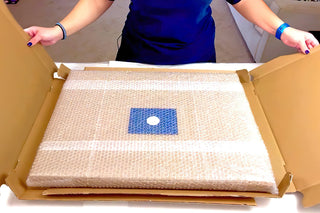
STEP 2 - SHIPPING
We ship your order. We send you an email to track the progress

STEP 3 - DELIVERY
You receive your order. You can also, according to your choice, be delivered to a relay point.
Matte finish
View from behind
Frame (optional)
Portrait of a Lady - Joseph Wright of Derby – Captivating Introduction
In the fascinating universe of art, certain works transcend time and capture the essence of an era with such intensity that they continue to ignite the imagination of viewers. The "Portrait of a Lady" by Joseph Wright of Derby is one of these iconic creations. Created in the 18th century, this painting embodies not only the undeniable talent of its artist but also a pivotal moment in the history of British art. Through this portrait, Wright invites us to delve into a world where light and shadow dance across a woman's face, revealing an emotional depth that leaves no one indifferent.
Style and uniqueness of the work
The "Portrait of a Lady" stands out for its masterful use of light, a characteristic that earned Wright particular fame. The artist, often associated with the chiaroscuro movement, manages here to create an intimate and mysterious atmosphere. The lady's face, subtly illuminated, seems to emanate an aura of serenity and reflection, while shadows envelop the rest of the composition, adding a dramatic dimension to the whole. The meticulous details, from the textures of the clothing to the delicate expressions, testify to exceptional craftsmanship. This portrait is not limited to a simple representation; it evokes a story, a personality, and an era, inviting the viewer to question the identity of the lady and the context in which she exists.
The artist and his influence
Joseph Wright of Derby, born in 1734, is often regarded as one of the precursors of Romanticism in art. His ability to capture deep human emotions and play with light influenced many artists of his time and subsequent generations. Wright mastered blending realism with an almost theatrical approach, making his works both accessible and captivating. His interest in the sciences and philosophy of his era is also reflected in his compositions, where human nature is highlighted through scenes of daily life or intimate portraits. By creating the "Portrait of a Lady," Wright does not merely paint a female figure; he immortalizes a worldview, a sensibility that
12,34 €