
Painting Portrait of a Lady - John Michael Wright | Art print


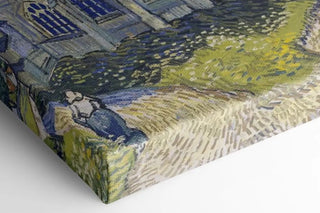
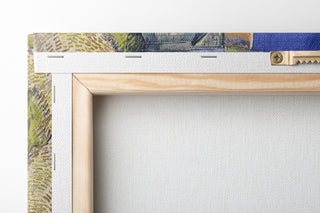
View from behind
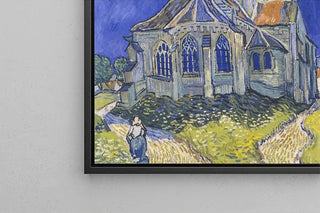
Frame (optional)
Portrait of a Lady - John Michael Wright – Captivating Introduction
The "Portrait of a Lady" by John Michael Wright is a work that evokes not only the timeless beauty of its subject but also the technical skill of the artist. This painting, created in the 17th century, stands out for its elegance and psychological depth. In a world where portraits were often idealized, Wright manages to capture an authentic essence, revealing a frozen moment of life in time. The delicate light bathing the lady's face, as well as the meticulous details of her attire, testify to an unparalleled mastery of oil painting. This masterpiece invites the viewer to silent contemplation, to an exploration of human emotions that transcend centuries.
Style and uniqueness of the work
John Michael Wright's style is characterized by striking realism and meticulous attention to detail. In "Portrait of a Lady," each brushstroke seems charged with intention, each shadow and light contributing to an atmosphere that is both intimate and solemn. The composition is carefully balanced, highlighting the subject while incorporating decorative elements that enrich the visual narrative. The drapes of the dress, with palpable luxury, blend with the softness of the lady's features, creating a dialogue between fashion and personality. The color palette chosen by Wright, subtle and harmonious, enhances the overall elegance, while the model's eyes, full of life and mystery, capture the viewer's attention and invite reflection on her story.
The artist and his influence
John Michael Wright, an English-born painter, established himself as a major figure in 17th-century portraiture. Trained under the shadow of great masters, he developed a distinctive style, blending Flemish and Italian influences. Wright had the opportunity to work for nobles and influential personalities of his time, which allowed him to refine his art and gain notable fame. His approach to portraiture goes beyond simple representation: he seeks to reveal the personality and soul of his subjects, an ambition that still resonates today in the world of art.
Painting Portrait of a Lady - John Michael Wright | Art print

-10% FROM €95 IN PURCHASES
-15% FROM €195 IN PURCHASES
Regular price
- Unit price
- per
Tax included.
Free shipping
€4.90 / Free shipping on orders over €39
Satisfied or Money Back
Free returns within 30 days
10-year warranty
Our prints are guaranteed for 10 years
Any questions? We are here!
by email to contact@artemlegrand.com
THE STEPS OF YOUR ORDER

STEP 1 - ORDER PLACED
Your order has been confirmed and we are starting production
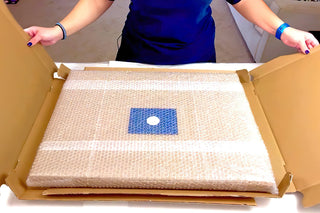
STEP 2 - SHIPPING
We ship your order. We send you an email to track the progress

STEP 3 - DELIVERY
You receive your order. You can also, according to your choice, be delivered to a relay point.
Matte finish
View from behind
Frame (optional)
Portrait of a Lady - John Michael Wright – Captivating Introduction
The "Portrait of a Lady" by John Michael Wright is a work that evokes not only the timeless beauty of its subject but also the technical skill of the artist. This painting, created in the 17th century, stands out for its elegance and psychological depth. In a world where portraits were often idealized, Wright manages to capture an authentic essence, revealing a frozen moment of life in time. The delicate light bathing the lady's face, as well as the meticulous details of her attire, testify to an unparalleled mastery of oil painting. This masterpiece invites the viewer to silent contemplation, to an exploration of human emotions that transcend centuries.
Style and uniqueness of the work
John Michael Wright's style is characterized by striking realism and meticulous attention to detail. In "Portrait of a Lady," each brushstroke seems charged with intention, each shadow and light contributing to an atmosphere that is both intimate and solemn. The composition is carefully balanced, highlighting the subject while incorporating decorative elements that enrich the visual narrative. The drapes of the dress, with palpable luxury, blend with the softness of the lady's features, creating a dialogue between fashion and personality. The color palette chosen by Wright, subtle and harmonious, enhances the overall elegance, while the model's eyes, full of life and mystery, capture the viewer's attention and invite reflection on her story.
The artist and his influence
John Michael Wright, an English-born painter, established himself as a major figure in 17th-century portraiture. Trained under the shadow of great masters, he developed a distinctive style, blending Flemish and Italian influences. Wright had the opportunity to work for nobles and influential personalities of his time, which allowed him to refine his art and gain notable fame. His approach to portraiture goes beyond simple representation: he seeks to reveal the personality and soul of his subjects, an ambition that still resonates today in the world of art.
12,34 €