
Painting Portrait of a Lady - Johann Georg Edlinger | Art print


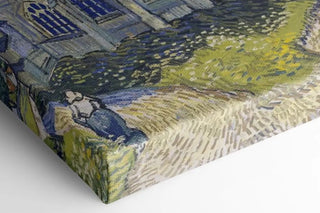
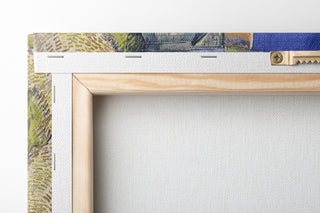
View from behind
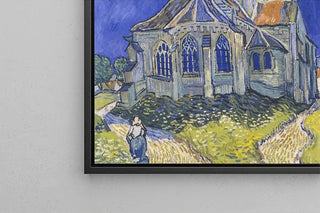
Frame (optional)
In the fascinating universe of art history, some works transcend time and captivate viewers with their timeless beauty. The "Portrait of a Lady" by Johann Georg Edlinger, a lesser-known artist of the 18th century, is one of these treasures. This piece, which evokes refined elegance and psychological depth, transports the viewer to an era when the portrait was not only a means of immortalizing a person but also a reflection of the values and aspirations of a society in full transformation. Through this art print, we have the opportunity to explore not only the aesthetics of the work but also the history behind this mysterious face.
Style and uniqueness of the work
The "Portrait of a Lady" stands out for its delicate style and meticulous attention to detail. Edlinger, with his mastery of pictorial techniques, manages to capture not only the physical features of his model but also an almost spiritual essence. The soft light caressing the lady's face, the subtle nuances of color, and the texture of the fabrics create an intimate atmosphere, inviting the viewer to contemplate the soul of the depicted figure. Every element, from the choice of clothing to the carefully painted accessories, reflects an era when social status and personal identity were closely linked. This portrait, far from being a simple representation, becomes a window into the aspirations and emotions of the woman portrayed, making the work all the more captivating and timeless.
The artist and his influence
Johann Georg Edlinger, primarily active in Vienna, is often considered a bridge between the baroque style and neoclassicism. Although he is not as famous as his contemporaries, his work reveals a unique sensitivity that deserves rediscovery. Raised in an artistic environment, Edlinger was influenced by the great masters of his time, while developing a personal style that is his own. His ability to combine realism and idealization allows his art prints to transcend mere representation. Through his work, he invites the viewer to reflect on the human condition, on beauty and the fragility of existence. His contribution to the art of portraiture, although less recognized,
Painting Portrait of a Lady - Johann Georg Edlinger | Art print

-10% FROM €95 IN PURCHASES
-15% FROM €195 IN PURCHASES
Regular price
- Unit price
- per
Tax included.
Free shipping
€4.90 / Free shipping on orders over €39
Satisfied or Money Back
Free returns within 30 days
10-year warranty
Our prints are guaranteed for 10 years
Any questions? We are here!
by email to contact@artemlegrand.com
THE STEPS OF YOUR ORDER

STEP 1 - ORDER PLACED
Your order has been confirmed and we are starting production
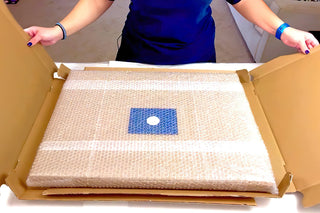
STEP 2 - SHIPPING
We ship your order. We send you an email to track the progress

STEP 3 - DELIVERY
You receive your order. You can also, according to your choice, be delivered to a relay point.
Matte finish
View from behind
Frame (optional)
In the fascinating universe of art history, some works transcend time and captivate viewers with their timeless beauty. The "Portrait of a Lady" by Johann Georg Edlinger, a lesser-known artist of the 18th century, is one of these treasures. This piece, which evokes refined elegance and psychological depth, transports the viewer to an era when the portrait was not only a means of immortalizing a person but also a reflection of the values and aspirations of a society in full transformation. Through this art print, we have the opportunity to explore not only the aesthetics of the work but also the history behind this mysterious face.
Style and uniqueness of the work
The "Portrait of a Lady" stands out for its delicate style and meticulous attention to detail. Edlinger, with his mastery of pictorial techniques, manages to capture not only the physical features of his model but also an almost spiritual essence. The soft light caressing the lady's face, the subtle nuances of color, and the texture of the fabrics create an intimate atmosphere, inviting the viewer to contemplate the soul of the depicted figure. Every element, from the choice of clothing to the carefully painted accessories, reflects an era when social status and personal identity were closely linked. This portrait, far from being a simple representation, becomes a window into the aspirations and emotions of the woman portrayed, making the work all the more captivating and timeless.
The artist and his influence
Johann Georg Edlinger, primarily active in Vienna, is often considered a bridge between the baroque style and neoclassicism. Although he is not as famous as his contemporaries, his work reveals a unique sensitivity that deserves rediscovery. Raised in an artistic environment, Edlinger was influenced by the great masters of his time, while developing a personal style that is his own. His ability to combine realism and idealization allows his art prints to transcend mere representation. Through his work, he invites the viewer to reflect on the human condition, on beauty and the fragility of existence. His contribution to the art of portraiture, although less recognized,
12,34 €