
Painting Portrait of a Lady - Johann Friedrich August Tischbein | Art print


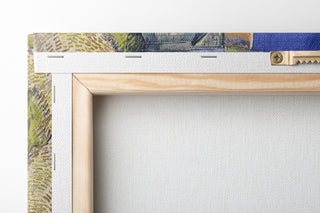
View from behind
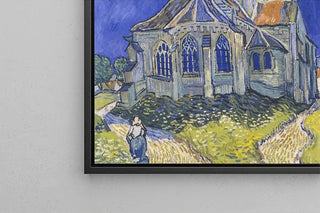
Frame (optional)
In the rich and captivating universe of art, some works stand out for their ability to capture the very essence of humanity. The "Portrait of a Lady" by Johann Friedrich August Tischbein is one of those masterful pieces that transcend time and space. This painting, imbued with timeless elegance, invites us to delve into the 18th century, where beauty and refinement intertwine to create a striking representation of femininity. Through this portrait, Tischbein does not merely depict a female figure; he offers us a glimpse into the soul of his model, capturing subtle emotions and psychological depth that still resonate today.
Style and uniqueness of the work
Tischbein's style is characterized by finesse in execution and meticulous attention to detail. In the "Portrait of a Lady," every brushstroke seems thoughtfully considered, every shade of color carefully chosen to evoke a particular atmosphere. Light plays a crucial role in this piece, illuminating the lady's face with a gentle, almost ethereal glow that highlights her delicate features. The composition is balanced, harmoniously blending the background and the subject, while the choice of clothing and accessories reflects not only the social status of the model but also a certain aesthetic of the period. This painting is much more than a simple portrait; it is an ode to timeless beauty and feminine grace—a true celebration of the art of portraiture.
The artist and his influence
Johann Friedrich August Tischbein, an emblematic figure of 18th-century German art, knew how to leave his mark on his era through his innovative approach to portraiture. Raised in a rich artistic environment, he was influenced by the great masters of the Renaissance and Baroque, while developing a personal style unique to him. Tischbein managed to incorporate elements of Romantic painting, infusing an emotional dimension into his works. His work not only contributed to the evolution of portraiture but also paved the way for future artists. By depicting subjects with such depth and humanity, he redefined expectations related to portrait painting, inspiring his
Painting Portrait of a Lady - Johann Friedrich August Tischbein | Art print

-10% FROM €95 IN PURCHASES
-15% FROM €195 IN PURCHASES
Regular price
- Unit price
- per
Tax included.
Free shipping
€4.90 / Free shipping on orders over €39
Satisfied or Money Back
Free returns within 30 days
10-year warranty
Our prints are guaranteed for 10 years
Any questions? We are here!
by email to contact@artemlegrand.com
THE STEPS OF YOUR ORDER
STEP 1 - ORDER PLACED
Your order has been confirmed and we are starting production
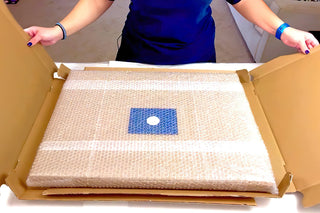
STEP 2 - SHIPPING
We ship your order. We send you an email to track the progress

STEP 3 - DELIVERY
You receive your order. You can also, according to your choice, be delivered to a relay point.
Matte finish
View from behind
Frame (optional)
In the rich and captivating universe of art, some works stand out for their ability to capture the very essence of humanity. The "Portrait of a Lady" by Johann Friedrich August Tischbein is one of those masterful pieces that transcend time and space. This painting, imbued with timeless elegance, invites us to delve into the 18th century, where beauty and refinement intertwine to create a striking representation of femininity. Through this portrait, Tischbein does not merely depict a female figure; he offers us a glimpse into the soul of his model, capturing subtle emotions and psychological depth that still resonate today.
Style and uniqueness of the work
Tischbein's style is characterized by finesse in execution and meticulous attention to detail. In the "Portrait of a Lady," every brushstroke seems thoughtfully considered, every shade of color carefully chosen to evoke a particular atmosphere. Light plays a crucial role in this piece, illuminating the lady's face with a gentle, almost ethereal glow that highlights her delicate features. The composition is balanced, harmoniously blending the background and the subject, while the choice of clothing and accessories reflects not only the social status of the model but also a certain aesthetic of the period. This painting is much more than a simple portrait; it is an ode to timeless beauty and feminine grace—a true celebration of the art of portraiture.
The artist and his influence
Johann Friedrich August Tischbein, an emblematic figure of 18th-century German art, knew how to leave his mark on his era through his innovative approach to portraiture. Raised in a rich artistic environment, he was influenced by the great masters of the Renaissance and Baroque, while developing a personal style unique to him. Tischbein managed to incorporate elements of Romantic painting, infusing an emotional dimension into his works. His work not only contributed to the evolution of portraiture but also paved the way for future artists. By depicting subjects with such depth and humanity, he redefined expectations related to portrait painting, inspiring his
12,34 €