
Painting Portrait of a Lady - Jean-Baptiste Perronneau | Art print


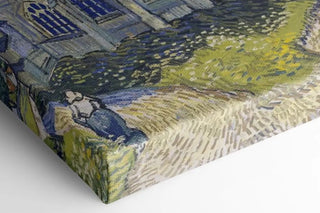
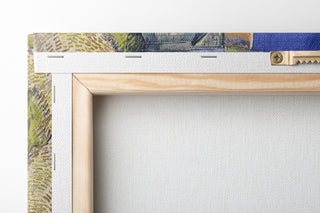
View from behind
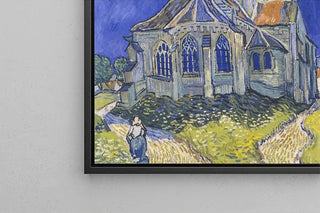
Frame (optional)
Portrait of a Lady - Jean-Baptiste Perronneau – Captivating Introduction
The "Portrait of a Lady" by Jean-Baptiste Perronneau is an iconic work from the 18th century, embodying the refinement and elegance of French painting of that era. This painting, both intimate and enigmatic, invites us to contemplate the beauty of a woman whose gaze seems to carry untold stories. Through delicate brushstrokes and a subtle palette, Perronneau manages to capture not only the appearance of his model but also the very essence of her personality. Immersing oneself in this artwork, the viewer is transported to a world where time appears suspended, revealing the emotions and thoughts of a lady whose mystery remains to be explored.
Style and uniqueness of the work
Perronneau's style is distinguished by his ability to combine realism and idealization. In the "Portrait of a Lady," every detail is carefully crafted, from the folds of the dress to the reflections of light in the hair. The artist skillfully plays with shadows and highlights, creating an atmosphere that is both soft and dynamic. The composition is balanced, with particular attention paid to the expression on the face, which reveals a certain melancholy. The lady, dressed in elegant attire, seems to address the viewer, establishing an intimate and direct connection. This portrait is not limited to a simple representation; it is a true dialogue between the artwork and the observer, an invitation to discover the nuances of the human soul.
The artist and his influence
Jean-Baptiste Perronneau, active mainly in Paris in the 18th century, is recognized for his mastery of portraiture. A pupil of the illustrious Antoine Watteau, he developed a distinctive style characterized by great finesse in rendering textures and expressions. His work stands at the crossroads between Baroque and Neoclassicism, incorporating elements of both currents while maintaining a unique sensitivity. Perronneau influenced many contemporary and later artists, notably through his psychological approach to portraiture. He transcended the simple exercise of representation to delve into the depth of human characters, which allowed him to
Painting Portrait of a Lady - Jean-Baptiste Perronneau | Art print

-10% FROM €95 IN PURCHASES
-15% FROM €195 IN PURCHASES
Regular price
- Unit price
- per
Tax included.
Free shipping
€4.90 / Free shipping on orders over €39
Satisfied or Money Back
Free returns within 30 days
10-year warranty
Our prints are guaranteed for 10 years
Any questions? We are here!
by email to contact@artemlegrand.com
THE STEPS OF YOUR ORDER

STEP 1 - ORDER PLACED
Your order has been confirmed and we are starting production
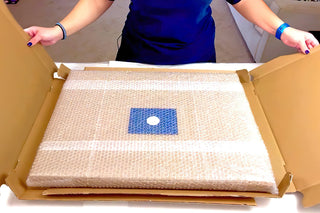
STEP 2 - SHIPPING
We ship your order. We send you an email to track the progress

STEP 3 - DELIVERY
You receive your order. You can also, according to your choice, be delivered to a relay point.
Matte finish
View from behind
Frame (optional)
Portrait of a Lady - Jean-Baptiste Perronneau – Captivating Introduction
The "Portrait of a Lady" by Jean-Baptiste Perronneau is an iconic work from the 18th century, embodying the refinement and elegance of French painting of that era. This painting, both intimate and enigmatic, invites us to contemplate the beauty of a woman whose gaze seems to carry untold stories. Through delicate brushstrokes and a subtle palette, Perronneau manages to capture not only the appearance of his model but also the very essence of her personality. Immersing oneself in this artwork, the viewer is transported to a world where time appears suspended, revealing the emotions and thoughts of a lady whose mystery remains to be explored.
Style and uniqueness of the work
Perronneau's style is distinguished by his ability to combine realism and idealization. In the "Portrait of a Lady," every detail is carefully crafted, from the folds of the dress to the reflections of light in the hair. The artist skillfully plays with shadows and highlights, creating an atmosphere that is both soft and dynamic. The composition is balanced, with particular attention paid to the expression on the face, which reveals a certain melancholy. The lady, dressed in elegant attire, seems to address the viewer, establishing an intimate and direct connection. This portrait is not limited to a simple representation; it is a true dialogue between the artwork and the observer, an invitation to discover the nuances of the human soul.
The artist and his influence
Jean-Baptiste Perronneau, active mainly in Paris in the 18th century, is recognized for his mastery of portraiture. A pupil of the illustrious Antoine Watteau, he developed a distinctive style characterized by great finesse in rendering textures and expressions. His work stands at the crossroads between Baroque and Neoclassicism, incorporating elements of both currents while maintaining a unique sensitivity. Perronneau influenced many contemporary and later artists, notably through his psychological approach to portraiture. He transcended the simple exercise of representation to delve into the depth of human characters, which allowed him to
12,34 €