
Painting Portrait of a Lady (Case Conflict) - Franz Xaver Winterhalter | Art print


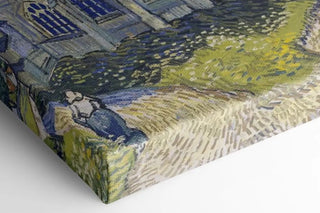
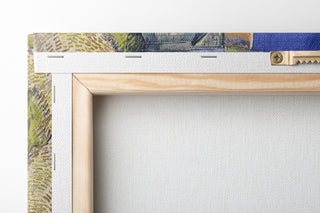
View from behind
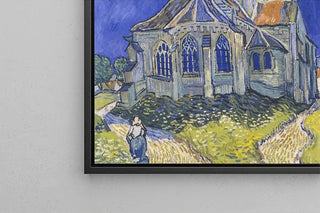
Frame (optional)
Franz Xaver Winterhalter's "Portrait of a Lady (Case Conflict)" is an iconic artwork that embodies the very essence of 19th-century romantic portraiture. This painting, depicting a woman of striking beauty, not only showcases the technical finesse of its creator but also reflects the social and cultural atmosphere of its time. Through this art print, viewers are invited to immerse themselves in a universe where elegance intertwines with the complexity of human relationships. The delicacy of the features, the richness of the colors, and the depth of the gazes captured by Winterhalter are all elements that make this piece a true masterpiece, transcending eras and styles.
Style and uniqueness of the artwork
Winterhalter's style is distinguished by meticulous attention to detail and his ability to capture the very essence of his subjects. In "Portrait of a Lady (Case Conflict)", the composition is characterized by a radiant luminosity and a subtle play of shadows and lights that give an almost lifelike dimension to the depicted figure. The lady, dressed in a sumptuous gown, appears to stand out from the background, creating a captivating visual dynamic. The textures of the fabrics, the reflections of light on satin surfaces, and the delicacy of accessories testify to exceptional craftsmanship. This art print is not limited to a simple representation; it evokes a story, a personality, and transports the viewer into a world of refinement and sophistication.
The artist and his influence
Franz Xaver Winterhalter, born in 1805 in Germany, established himself as one of the most prominent portraitists of his time. His career, marked by royal commissions and portraits of influential personalities, attests to his undeniable talent and his ability to appeal to the elites of the era. Winterhalter successfully integrated elements of romantic painting while developing a distinctive style characterized by an intimate and psychological approach to his subjects. His influence endures beyond his era, inspiring many contemporary and future artists. Through his works, he redefined the portrait as a genre,
Painting Portrait of a Lady (Case Conflict) - Franz Xaver Winterhalter | Art print

-10% FROM €95 IN PURCHASES
-15% FROM €195 IN PURCHASES
Regular price
- Unit price
- per
Tax included.
Free shipping
€4.90 / Free shipping on orders over €39
Satisfied or Money Back
Free returns within 30 days
10-year warranty
Our prints are guaranteed for 10 years
Any questions? We are here!
by email to contact@artemlegrand.com
THE STEPS OF YOUR ORDER

STEP 1 - ORDER PLACED
Your order has been confirmed and we are starting production
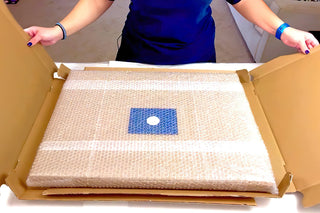
STEP 2 - SHIPPING
We ship your order. We send you an email to track the progress

STEP 3 - DELIVERY
You receive your order. You can also, according to your choice, be delivered to a relay point.
Matte finish
View from behind
Frame (optional)
Franz Xaver Winterhalter's "Portrait of a Lady (Case Conflict)" is an iconic artwork that embodies the very essence of 19th-century romantic portraiture. This painting, depicting a woman of striking beauty, not only showcases the technical finesse of its creator but also reflects the social and cultural atmosphere of its time. Through this art print, viewers are invited to immerse themselves in a universe where elegance intertwines with the complexity of human relationships. The delicacy of the features, the richness of the colors, and the depth of the gazes captured by Winterhalter are all elements that make this piece a true masterpiece, transcending eras and styles.
Style and uniqueness of the artwork
Winterhalter's style is distinguished by meticulous attention to detail and his ability to capture the very essence of his subjects. In "Portrait of a Lady (Case Conflict)", the composition is characterized by a radiant luminosity and a subtle play of shadows and lights that give an almost lifelike dimension to the depicted figure. The lady, dressed in a sumptuous gown, appears to stand out from the background, creating a captivating visual dynamic. The textures of the fabrics, the reflections of light on satin surfaces, and the delicacy of accessories testify to exceptional craftsmanship. This art print is not limited to a simple representation; it evokes a story, a personality, and transports the viewer into a world of refinement and sophistication.
The artist and his influence
Franz Xaver Winterhalter, born in 1805 in Germany, established himself as one of the most prominent portraitists of his time. His career, marked by royal commissions and portraits of influential personalities, attests to his undeniable talent and his ability to appeal to the elites of the era. Winterhalter successfully integrated elements of romantic painting while developing a distinctive style characterized by an intimate and psychological approach to his subjects. His influence endures beyond his era, inspiring many contemporary and future artists. Through his works, he redefined the portrait as a genre,
12,34 €