
Portrait of a gentleman - John Smart | Art print


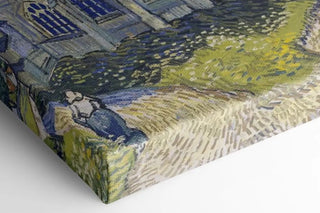
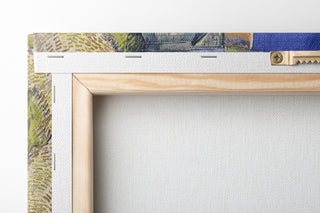
View from behind
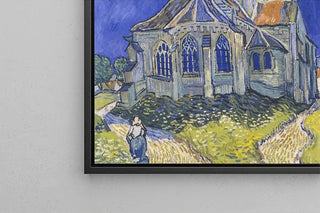
Frame (optional)
In the vast panorama of art history, certain works stand out for their ability to capture the very essence of humanity. The "Portrait of a Gentleman" by John Smart is one of those iconic pieces that transcend time and invite deep reflection on identity and social stature. Created in the 18th century, this piece embodies not only the technical skill of its creator but also an era marked by social and cultural changes. Through this portrait, the viewer is transported into a universe where every detail, every brushstroke, tells a story— that of a man, but also that of a society in full transformation.
Style and uniqueness of the work
The "Portrait of a Gentleman" is distinguished by its finesse and elegance. John Smart, master of the portrait, uses a refined color palette and rendering techniques that highlight the textures of clothing and the delicacy of facial features. The artist manages to create an atmosphere of dignity and respectability around his subject, accentuated by the posture and expression of the gentleman. Dressed carefully, he appears both approachable and distant—a duality that prompts the viewer to question the very nature of social identity. Light plays a crucial role in this work, subtly illuminating the face of the character while bathing the background in a gentle darkness, which enhances the sense of depth and intimacy. Smart succeeds in capturing not only the external appearance of his model but also a certain spiritual essence that still resonates today.
The artist and his influence
John Smart, though less known than some of his contemporaries, left an indelible mark on the world of portraiture. Born in 1742, he built a reputation through his meticulous technique and keen sense of composition. Smart was one of the first artists to exploit the possibilities offered by miniature painting, a medium that allowed him to create highly precise portraits. His influence extends beyond his era, inspiring generations of artists to explore the complexity of human representation. By integrating elements of culture
Portrait of a gentleman - John Smart | Art print

-10% FROM €95 IN PURCHASES
-15% FROM €195 IN PURCHASES
Regular price
- Unit price
- per
Tax included.
Free shipping
€4.90 / Free shipping on orders over €39
Satisfied or Money Back
Free returns within 30 days
10-year warranty
Our prints are guaranteed for 10 years
Any questions? We are here!
by email to contact@artemlegrand.com
THE STEPS OF YOUR ORDER

STEP 1 - ORDER PLACED
Your order has been confirmed and we are starting production
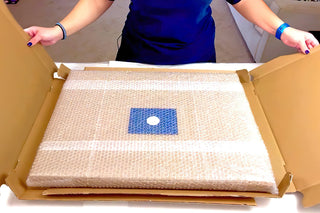
STEP 2 - SHIPPING
We ship your order. We send you an email to track the progress

STEP 3 - DELIVERY
You receive your order. You can also, according to your choice, be delivered to a relay point.
Matte finish
View from behind
Frame (optional)
In the vast panorama of art history, certain works stand out for their ability to capture the very essence of humanity. The "Portrait of a Gentleman" by John Smart is one of those iconic pieces that transcend time and invite deep reflection on identity and social stature. Created in the 18th century, this piece embodies not only the technical skill of its creator but also an era marked by social and cultural changes. Through this portrait, the viewer is transported into a universe where every detail, every brushstroke, tells a story— that of a man, but also that of a society in full transformation.
Style and uniqueness of the work
The "Portrait of a Gentleman" is distinguished by its finesse and elegance. John Smart, master of the portrait, uses a refined color palette and rendering techniques that highlight the textures of clothing and the delicacy of facial features. The artist manages to create an atmosphere of dignity and respectability around his subject, accentuated by the posture and expression of the gentleman. Dressed carefully, he appears both approachable and distant—a duality that prompts the viewer to question the very nature of social identity. Light plays a crucial role in this work, subtly illuminating the face of the character while bathing the background in a gentle darkness, which enhances the sense of depth and intimacy. Smart succeeds in capturing not only the external appearance of his model but also a certain spiritual essence that still resonates today.
The artist and his influence
John Smart, though less known than some of his contemporaries, left an indelible mark on the world of portraiture. Born in 1742, he built a reputation through his meticulous technique and keen sense of composition. Smart was one of the first artists to exploit the possibilities offered by miniature painting, a medium that allowed him to create highly precise portraits. His influence extends beyond his era, inspiring generations of artists to explore the complexity of human representation. By integrating elements of culture
12,34 €