
Portrait of a gentleman - Jean-Baptiste van Loo | Art print


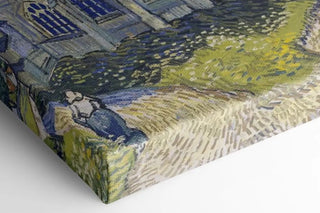
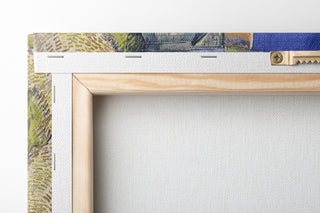
View from behind
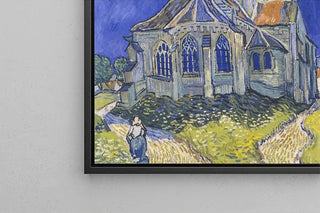
Frame (optional)
In the fascinating world of art, certain works stand out for their ability to capture the very essence of humanity. The "Portrait of a gentleman" by Jean-Baptiste van Loo is a perfect example. This painting, created in the 18th century, embodies not only the undeniable talent of its creator but also an era when portraiture was an essential means of representing social status and personal values. Through this masterpiece, the viewer is invited to immerse themselves in an atmosphere of refinement and sophistication, where every detail, from the costume to facial expressions, tells a unique story.
Style and uniqueness of the work
The "Portrait of a gentleman" is distinguished by its impeccable technique and meticulous attention to detail. Van Loo, master of portraiture, uses a rich color palette and subtle play of light to bring his subject to life. The gentleman, carefully dressed, almost seems to emerge from the canvas, as his expression and posture are vividly alive. The composition is balanced, and the background, often understated, highlights the central figure, allowing focus on the face and attitude of the character. This work does not merely depict a man; it evokes a personality, a story, and a bygone world, all while maintaining a timeless modernity that continues to captivate art enthusiasts.
The artist and his influence
Jean-Baptiste van Loo, a French painter of Dutch origin, established himself as one of the most prominent portraitists of his time. Trained in the great ateliers of the era, he mastered integrating baroque and rococo influences to create a style unique to him. His skill in capturing the psychological nuances of his models made him a sought-after artist among the elites. Beyond his own work, van Loo also influenced many contemporary and future artists, setting standards in portraiture that still endure today. His approach to light and color, as well as his ability to convey emotions through his subjects' gaze, paved the way for a new era of portraiture, where individuality and personal expression take precedence over mere representation.
A wall decoration
Portrait of a gentleman - Jean-Baptiste van Loo | Art print

-10% FROM €95 IN PURCHASES
-15% FROM €195 IN PURCHASES
Regular price
- Unit price
- per
Tax included.
Free shipping
€4.90 / Free shipping on orders over €39
Satisfied or Money Back
Free returns within 30 days
10-year warranty
Our prints are guaranteed for 10 years
Any questions? We are here!
by email to contact@artemlegrand.com
THE STEPS OF YOUR ORDER

STEP 1 - ORDER PLACED
Your order has been confirmed and we are starting production
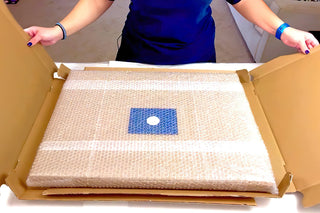
STEP 2 - SHIPPING
We ship your order. We send you an email to track the progress

STEP 3 - DELIVERY
You receive your order. You can also, according to your choice, be delivered to a relay point.
Matte finish
View from behind
Frame (optional)
In the fascinating world of art, certain works stand out for their ability to capture the very essence of humanity. The "Portrait of a gentleman" by Jean-Baptiste van Loo is a perfect example. This painting, created in the 18th century, embodies not only the undeniable talent of its creator but also an era when portraiture was an essential means of representing social status and personal values. Through this masterpiece, the viewer is invited to immerse themselves in an atmosphere of refinement and sophistication, where every detail, from the costume to facial expressions, tells a unique story.
Style and uniqueness of the work
The "Portrait of a gentleman" is distinguished by its impeccable technique and meticulous attention to detail. Van Loo, master of portraiture, uses a rich color palette and subtle play of light to bring his subject to life. The gentleman, carefully dressed, almost seems to emerge from the canvas, as his expression and posture are vividly alive. The composition is balanced, and the background, often understated, highlights the central figure, allowing focus on the face and attitude of the character. This work does not merely depict a man; it evokes a personality, a story, and a bygone world, all while maintaining a timeless modernity that continues to captivate art enthusiasts.
The artist and his influence
Jean-Baptiste van Loo, a French painter of Dutch origin, established himself as one of the most prominent portraitists of his time. Trained in the great ateliers of the era, he mastered integrating baroque and rococo influences to create a style unique to him. His skill in capturing the psychological nuances of his models made him a sought-after artist among the elites. Beyond his own work, van Loo also influenced many contemporary and future artists, setting standards in portraiture that still endure today. His approach to light and color, as well as his ability to convey emotions through his subjects' gaze, paved the way for a new era of portraiture, where individuality and personal expression take precedence over mere representation.
A wall decoration
12,34 €