
Painting Phytanthoza iconographia Pl157 - Johann Wilhelm Weinmann | Art print


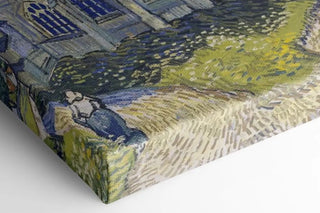
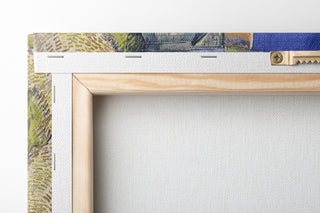
View from behind
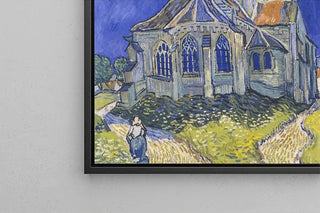
Frame (optional)
Phytanthoza iconographia Pl157: A Celebration of Biodiversity
The art print of Phytanthoza iconographia Pl157 is a true tribute to the richness of nature. This piece, created with meticulous precision, highlights a variety of exotic plants, illustrating the beauty of forms and colors. The vibrant hues, ranging from bright greens to delicate pinks, create an atmosphere that is both soothing and stimulating. The engraving technique used by the artist offers depth and texture that captivate the eye, inviting prolonged contemplation. Every detail, every shadow, seems to tell a story, that of a lush and mysterious plant world.
Johann Wilhelm Weinmann: A Pioneer of Botanical Illustration
Johann Wilhelm Weinmann, botanist and illustrator of the 18th century, is recognized for his significant contribution to botanical illustration. Active during a period when science and art were closely intertwined, he captured the beauty of plants with scientific accuracy. Influenced by the botanical discoveries of his time, Weinmann traveled across Europe to gather specimens and knowledge. His work, Phytanthoza iconographia, is considered a reference in the field, combining aesthetics and scientific rigor. Through his illustrations, he contributed to the dissemination of botanical knowledge, making nature accessible to a wider audience.
A decorative acquisition with multiple advantages
The art print of Phytanthoza iconographia Pl157 is an ideal decorative piece to enhance your interior. Whether in a living room, office, or bedroom, this artwork adds a touch of freshness and elegance. Its printing quality guarantees fidelity to the colors and details of the original work, allowing you to enjoy the full splendor of nature at home. The aesthetic appeal of this canvas makes it a perfect choice for those wishing to create a serene and inspiring atmosphere. By incorporating this art print into your decor, you invite the beauty of biodiversity into your living space.
Painting Phytanthoza iconographia Pl157 - Johann Wilhelm Weinmann | Art print

-10% FROM €95 IN PURCHASES
-15% FROM €195 IN PURCHASES
Regular price
- Unit price
- per
Free shipping
€4.90 / Free shipping on orders over €39
Satisfied or Money Back
Free returns within 30 days
10-year warranty
Our prints are guaranteed for 10 years
Any questions? We are here!
by email to contact@artemlegrand.com
THE STEPS OF YOUR ORDER

STEP 1 - ORDER PLACED
Your order has been confirmed and we are starting production
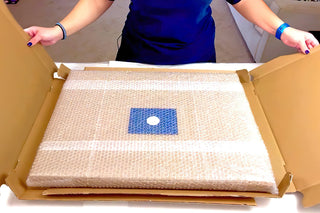
STEP 2 - SHIPPING
We ship your order. We send you an email to track the progress

STEP 3 - DELIVERY
You receive your order. You can also, according to your choice, be delivered to a relay point.
Matte finish
View from behind
Frame (optional)
Phytanthoza iconographia Pl157: A Celebration of Biodiversity
The art print of Phytanthoza iconographia Pl157 is a true tribute to the richness of nature. This piece, created with meticulous precision, highlights a variety of exotic plants, illustrating the beauty of forms and colors. The vibrant hues, ranging from bright greens to delicate pinks, create an atmosphere that is both soothing and stimulating. The engraving technique used by the artist offers depth and texture that captivate the eye, inviting prolonged contemplation. Every detail, every shadow, seems to tell a story, that of a lush and mysterious plant world.
Johann Wilhelm Weinmann: A Pioneer of Botanical Illustration
Johann Wilhelm Weinmann, botanist and illustrator of the 18th century, is recognized for his significant contribution to botanical illustration. Active during a period when science and art were closely intertwined, he captured the beauty of plants with scientific accuracy. Influenced by the botanical discoveries of his time, Weinmann traveled across Europe to gather specimens and knowledge. His work, Phytanthoza iconographia, is considered a reference in the field, combining aesthetics and scientific rigor. Through his illustrations, he contributed to the dissemination of botanical knowledge, making nature accessible to a wider audience.
A decorative acquisition with multiple advantages
The art print of Phytanthoza iconographia Pl157 is an ideal decorative piece to enhance your interior. Whether in a living room, office, or bedroom, this artwork adds a touch of freshness and elegance. Its printing quality guarantees fidelity to the colors and details of the original work, allowing you to enjoy the full splendor of nature at home. The aesthetic appeal of this canvas makes it a perfect choice for those wishing to create a serene and inspiring atmosphere. By incorporating this art print into your decor, you invite the beauty of biodiversity into your living space.