
Breakfast Painting - Willem van Aelst | Art print


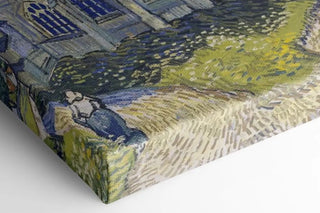
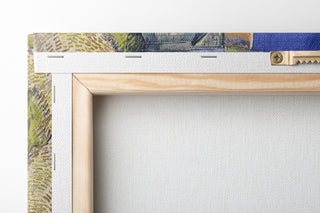
View from behind
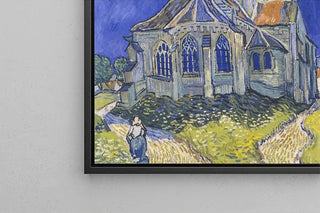
Frame (optional)
Breakfast Art print - Willem van Aelst – Captivating Introduction
In the rich and complex universe of 17th-century Dutch painting, the artwork "Breakfast" by Willem van Aelst stands out for its elegance and its ability to capture the fleeting beauty of everyday objects. This canvas, emblematic of the Baroque style, invites the viewer to immerse themselves in a moment of conviviality and refinement. Through a carefully orchestrated composition, the artist manages to transform a simple meal into a visual celebration of domestic life. Every element, from the choice of foods to the delicate textures, tells a story, elevating the mundane to the level of art.
Style and uniqueness of the artwork
The uniqueness of "Breakfast" lies in the meticulous treatment of details and mastery of light play. Willem van Aelst, a virtuoso of still life, uses vibrant colors and striking contrasts to animate his subject. Juicy fruits, golden breads, and sparkling drinks are rendered with an almost photographic precision, demonstrating a deep respect for nature and its offerings. The artist does not merely reproduce objects; he elevates them, giving them an almost spiritual dimension. The composition, balanced and harmonious, guides the viewer’s eye across the canvas, creating an immersive experience that transcends the simple act of looking. Every detail, from the reflection on a silver plate to the texture of a embroidered cloth, contributes to the whole, creating an atmosphere of serenity and fullness.
The artist and his influence
Willem van Aelst, born in Delft and active at the French court, is an essential figure of the Baroque movement, particularly regarding still life painting. His work is rooted in a tradition that celebrates not only the beauty of objects but also their symbolic meaning. By incorporating elements of Dutch culture, such as local products and kitchen utensils, the artist manages to establish an intimate link between art and daily life. His influence is felt among many contemporaries and successors, who see in him a master of realistic representation. Van Aelst was able to capture the spirit of his time, blending the
Breakfast Painting - Willem van Aelst | Art print

-10% FROM €95 IN PURCHASES
-15% FROM €195 IN PURCHASES
Regular price
- Unit price
- per
Tax included.
Free shipping
€4.90 / Free shipping on orders over €39
Satisfied or Money Back
Free returns within 30 days
10-year warranty
Our prints are guaranteed for 10 years
Any questions? We are here!
by email to contact@artemlegrand.com
THE STEPS OF YOUR ORDER

STEP 1 - ORDER PLACED
Your order has been confirmed and we are starting production
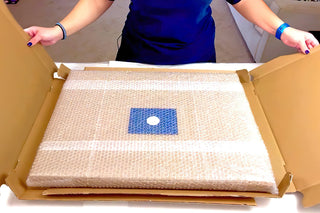
STEP 2 - SHIPPING
We ship your order. We send you an email to track the progress

STEP 3 - DELIVERY
You receive your order. You can also, according to your choice, be delivered to a relay point.
Matte finish
View from behind
Frame (optional)
Breakfast Art print - Willem van Aelst – Captivating Introduction
In the rich and complex universe of 17th-century Dutch painting, the artwork "Breakfast" by Willem van Aelst stands out for its elegance and its ability to capture the fleeting beauty of everyday objects. This canvas, emblematic of the Baroque style, invites the viewer to immerse themselves in a moment of conviviality and refinement. Through a carefully orchestrated composition, the artist manages to transform a simple meal into a visual celebration of domestic life. Every element, from the choice of foods to the delicate textures, tells a story, elevating the mundane to the level of art.
Style and uniqueness of the artwork
The uniqueness of "Breakfast" lies in the meticulous treatment of details and mastery of light play. Willem van Aelst, a virtuoso of still life, uses vibrant colors and striking contrasts to animate his subject. Juicy fruits, golden breads, and sparkling drinks are rendered with an almost photographic precision, demonstrating a deep respect for nature and its offerings. The artist does not merely reproduce objects; he elevates them, giving them an almost spiritual dimension. The composition, balanced and harmonious, guides the viewer’s eye across the canvas, creating an immersive experience that transcends the simple act of looking. Every detail, from the reflection on a silver plate to the texture of a embroidered cloth, contributes to the whole, creating an atmosphere of serenity and fullness.
The artist and his influence
Willem van Aelst, born in Delft and active at the French court, is an essential figure of the Baroque movement, particularly regarding still life painting. His work is rooted in a tradition that celebrates not only the beauty of objects but also their symbolic meaning. By incorporating elements of Dutch culture, such as local products and kitchen utensils, the artist manages to establish an intimate link between art and daily life. His influence is felt among many contemporaries and successors, who see in him a master of realistic representation. Van Aelst was able to capture the spirit of his time, blending the
12,34 €