
Art print of a Peasant Painting keeping a cow by the water - Jean-Baptiste-Camille Corot | Art print


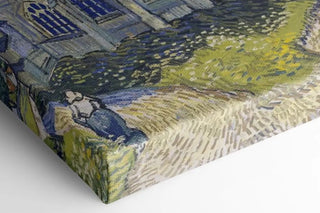
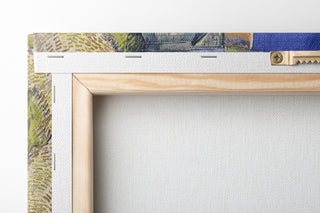
View from behind
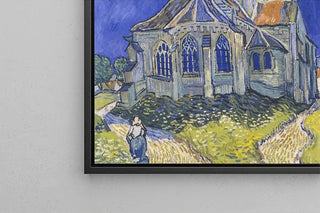
Frame (optional)
Paysanne keeping a cow by the water's edge - Jean-Baptiste-Camille Corot – Captivating introduction
The painting "Paysanne keeping a cow by the water's edge" by Jean-Baptiste-Camille Corot is an iconic work that embodies the harmony between man and nature. This bucolic scene, bathed in soft and soothing light, invites the viewer to immerse themselves in a universe where time seems to stand still. The artist, renowned for his ability to capture the beauty of French landscapes, offers here a delicate representation of rural life in the 19th century. Through this work, Corot demonstrates his attachment to the countryside while exploring the subtleties of light and color. The composition, centered on the figure of the peasant woman and her cow, evokes a serenity that resonates with our quest for simplicity and nature.
Style and uniqueness of the work
Corot's style is distinguished by his early impressionist technique, which manifests in the way he plays with light and shadows. In "Paysanne keeping a cow by the water's edge," the brushstrokes are both delicate and expressive, creating an atmosphere of tranquility. The colors, mainly greens and browns, are enhanced by flashes of light that illuminate the landscape. The peasant woman, the central figure of the work, is depicted with touching simplicity, symbolizing the deep connection between man and his environment. The cow, for its part, adds a dimension of life and movement, while reinforcing the pastoral theme of the scene. The background, where the water reflects the sky, contributes to the overall harmony, inviting the eye to get lost in this peaceful nature.
The artist and his influence
Jean-Baptiste-Camille Corot, born in 1796, was one of the precursors of Impressionism and played a fundamental role in the evolution of landscape painting. His ability to capture nuances of light and to represent nature with such sensitivity inspired many artists of his time and subsequent generations. Corot traveled across Europe, immersing himself in the landscapes he painted, and
Art print of a Peasant Painting keeping a cow by the water - Jean-Baptiste-Camille Corot | Art print

-10% FROM €95 IN PURCHASES
-15% FROM €195 IN PURCHASES
Regular price
- Unit price
- per
Tax included.
Free shipping
€4.90 / Free shipping on orders over €39
Satisfied or Money Back
Free returns within 30 days
10-year warranty
Our prints are guaranteed for 10 years
Any questions? We are here!
by email to contact@artemlegrand.com
THE STEPS OF YOUR ORDER

STEP 1 - ORDER PLACED
Your order has been confirmed and we are starting production
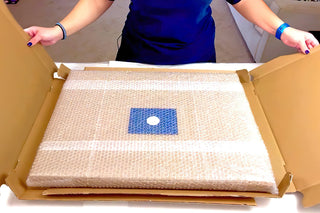
STEP 2 - SHIPPING
We ship your order. We send you an email to track the progress

STEP 3 - DELIVERY
You receive your order. You can also, according to your choice, be delivered to a relay point.
Matte finish
View from behind
Frame (optional)
Paysanne keeping a cow by the water's edge - Jean-Baptiste-Camille Corot – Captivating introduction
The painting "Paysanne keeping a cow by the water's edge" by Jean-Baptiste-Camille Corot is an iconic work that embodies the harmony between man and nature. This bucolic scene, bathed in soft and soothing light, invites the viewer to immerse themselves in a universe where time seems to stand still. The artist, renowned for his ability to capture the beauty of French landscapes, offers here a delicate representation of rural life in the 19th century. Through this work, Corot demonstrates his attachment to the countryside while exploring the subtleties of light and color. The composition, centered on the figure of the peasant woman and her cow, evokes a serenity that resonates with our quest for simplicity and nature.
Style and uniqueness of the work
Corot's style is distinguished by his early impressionist technique, which manifests in the way he plays with light and shadows. In "Paysanne keeping a cow by the water's edge," the brushstrokes are both delicate and expressive, creating an atmosphere of tranquility. The colors, mainly greens and browns, are enhanced by flashes of light that illuminate the landscape. The peasant woman, the central figure of the work, is depicted with touching simplicity, symbolizing the deep connection between man and his environment. The cow, for its part, adds a dimension of life and movement, while reinforcing the pastoral theme of the scene. The background, where the water reflects the sky, contributes to the overall harmony, inviting the eye to get lost in this peaceful nature.
The artist and his influence
Jean-Baptiste-Camille Corot, born in 1796, was one of the precursors of Impressionism and played a fundamental role in the evolution of landscape painting. His ability to capture nuances of light and to represent nature with such sensitivity inspired many artists of his time and subsequent generations. Corot traveled across Europe, immersing himself in the landscapes he painted, and
12,34 €