
Painting Pavillon de Flore August 22 1828 - William Henry Lake Price | Art print


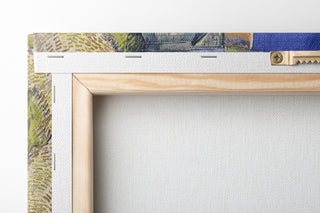
View from behind
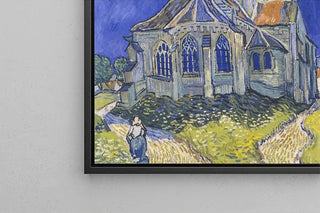
Frame (optional)
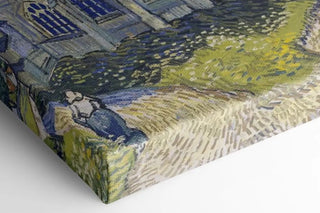
William Henry Lake Price's artwork "Pavillon de Flore August 22 1828" is a piece that evokes both the fleeting beauty of nature and architectural harmony. Immersing oneself in this work, the viewer is transported to a lush garden, where every detail is carefully orchestrated to create a visual symphony. The light, colors, and shapes intertwine to offer an immersive experience that celebrates landscape art, a genre that has captured artists' imaginations through the centuries. This art print, faithful to the original, allows appreciation of Price's delicacy and finesse, while revealing the timelessness of his artistic message.
Style and uniqueness of the work
William Henry Lake Price's style is distinguished by his romantic approach to landscape. In "Pavillon de Flore," the artist skillfully plays with shades of green and bursts of light, creating an atmosphere that is both serene and vibrant. Natural elements, such as flowers and trees, are depicted with precision that reflects meticulous observation. The pavilion at the center of the composition, symbolizing the interaction between man and nature, is treated with architectural delicacy that emphasizes its harmonious integration into the surrounding decor. The chosen perspective invites the viewer to explore every corner of the painting, revealing a depth that transcends simple landscape to become an invitation to contemplation.
The artist and his influence
William Henry Lake Price, born in the early 19th century, is often associated with the English landscape movement. His work reflects a particular sensitivity to natural beauty and the importance of green spaces in human life. Influenced by the principles of Romanticism, Price aims to express emotions through his landscapes, offering an idealized but deeply respectful vision of nature. His ability to capture light and play with shadows gives him a unique place in art history. His contemporaries, while admiring his talent, were also inspired by his way of reinterpreting traditional landscape, paving the way for new artistic explorations.
Painting Pavillon de Flore August 22 1828 - William Henry Lake Price | Art print

-10% FROM €95 IN PURCHASES
-15% FROM €195 IN PURCHASES
Regular price
- Unit price
- per
Tax included.
Free shipping
€4.90 / Free shipping on orders over €39
Satisfied or Money Back
Free returns within 30 days
10-year warranty
Our prints are guaranteed for 10 years
Any questions? We are here!
by email to contact@artemlegrand.com
THE STEPS OF YOUR ORDER

STEP 1 - ORDER PLACED
Your order has been confirmed and we are starting production
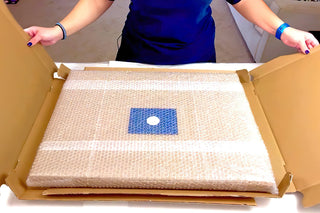
STEP 2 - SHIPPING
We ship your order. We send you an email to track the progress

STEP 3 - DELIVERY
You receive your order. You can also, according to your choice, be delivered to a relay point.
Matte finish
View from behind
Frame (optional)
William Henry Lake Price's artwork "Pavillon de Flore August 22 1828" is a piece that evokes both the fleeting beauty of nature and architectural harmony. Immersing oneself in this work, the viewer is transported to a lush garden, where every detail is carefully orchestrated to create a visual symphony. The light, colors, and shapes intertwine to offer an immersive experience that celebrates landscape art, a genre that has captured artists' imaginations through the centuries. This art print, faithful to the original, allows appreciation of Price's delicacy and finesse, while revealing the timelessness of his artistic message.
Style and uniqueness of the work
William Henry Lake Price's style is distinguished by his romantic approach to landscape. In "Pavillon de Flore," the artist skillfully plays with shades of green and bursts of light, creating an atmosphere that is both serene and vibrant. Natural elements, such as flowers and trees, are depicted with precision that reflects meticulous observation. The pavilion at the center of the composition, symbolizing the interaction between man and nature, is treated with architectural delicacy that emphasizes its harmonious integration into the surrounding decor. The chosen perspective invites the viewer to explore every corner of the painting, revealing a depth that transcends simple landscape to become an invitation to contemplation.
The artist and his influence
William Henry Lake Price, born in the early 19th century, is often associated with the English landscape movement. His work reflects a particular sensitivity to natural beauty and the importance of green spaces in human life. Influenced by the principles of Romanticism, Price aims to express emotions through his landscapes, offering an idealized but deeply respectful vision of nature. His ability to capture light and play with shadows gives him a unique place in art history. His contemporaries, while admiring his talent, were also inspired by his way of reinterpreting traditional landscape, paving the way for new artistic explorations.
12,34 €