
Painting Page III of the journal - Otto Meyer-Amden | Art print


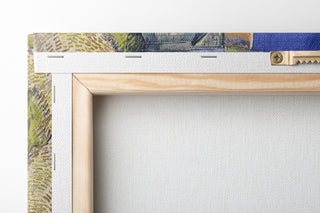
View from behind
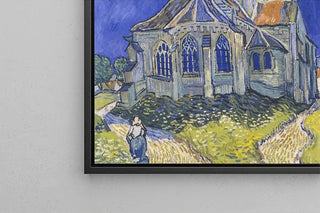
Frame (optional)
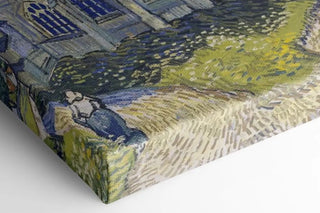
Otto Meyer-Amden's "Page III of the journal" art print immerses us in a universe where art and storytelling intersect in a striking way. Through this piece, the artist invites us to explore the twists and turns of everyday life, capturing fleeting moments with a unique sensitivity. The depiction of reality, tinged with a touch of abstraction, creates an intriguing atmosphere that sparks curiosity. Meyer-Amden, a prominent figure of expressionism, manages to transcend mere visuals to evoke deep emotions, engaging us in a reflection on our own existence.
Style and uniqueness of the art print
Meyer-Amden's style is distinguished by bold use of colors and shapes. In "Page III of the journal," he plays with striking contrasts, blending vivid shades with darker tones, thus creating a visual dialogue that immediately captures attention. Fluid lines and stylized forms demonstrate technical mastery that goes beyond simple representation. The artist does not just depict a scene; he extracts its essence, making palpable the emotion it conveys. This approach gives the art print an almost cinematic dimension, where every detail seems to tell a story, and every color evokes a feeling. The uniqueness of this piece lies in its ability to transform an ordinary moment into an extraordinary visual experience, inviting the viewer to deep contemplation.
The artist and his influence
Otto Meyer-Amden, born in Switzerland in the early 20th century, established himself as an essential figure in modern art. Influenced by avant-garde movements of his time, he developed a style that combines tradition and innovation. His training at the Zurich School of Fine Arts and his travels across Europe enriched his artistic palette, allowing him to incorporate diverse elements into his work. Meyer-Amden was also a passionate advocate of folk art, striving to make art accessible to all. His humanist approach and commitment to social and political themes marked his work and continue to inspire many contemporary artists. Through "Page III of the journal," he leaves
Painting Page III of the journal - Otto Meyer-Amden | Art print

-10% FROM €95 IN PURCHASES
-15% FROM €195 IN PURCHASES
Regular price
- Unit price
- per
Tax included.
Free shipping
€4.90 / Free shipping on orders over €39
Satisfied or Money Back
Free returns within 30 days
10-year warranty
Our prints are guaranteed for 10 years
Any questions? We are here!
by email to contact@artemlegrand.com
THE STEPS OF YOUR ORDER
STEP 1 - ORDER PLACED
Your order has been confirmed and we are starting production
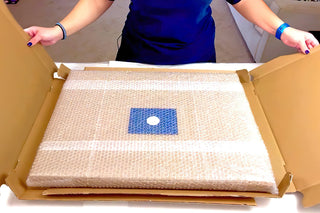
STEP 2 - SHIPPING
We ship your order. We send you an email to track the progress

STEP 3 - DELIVERY
You receive your order. You can also, according to your choice, be delivered to a relay point.
Matte finish
View from behind
Frame (optional)
Otto Meyer-Amden's "Page III of the journal" art print immerses us in a universe where art and storytelling intersect in a striking way. Through this piece, the artist invites us to explore the twists and turns of everyday life, capturing fleeting moments with a unique sensitivity. The depiction of reality, tinged with a touch of abstraction, creates an intriguing atmosphere that sparks curiosity. Meyer-Amden, a prominent figure of expressionism, manages to transcend mere visuals to evoke deep emotions, engaging us in a reflection on our own existence.
Style and uniqueness of the art print
Meyer-Amden's style is distinguished by bold use of colors and shapes. In "Page III of the journal," he plays with striking contrasts, blending vivid shades with darker tones, thus creating a visual dialogue that immediately captures attention. Fluid lines and stylized forms demonstrate technical mastery that goes beyond simple representation. The artist does not just depict a scene; he extracts its essence, making palpable the emotion it conveys. This approach gives the art print an almost cinematic dimension, where every detail seems to tell a story, and every color evokes a feeling. The uniqueness of this piece lies in its ability to transform an ordinary moment into an extraordinary visual experience, inviting the viewer to deep contemplation.
The artist and his influence
Otto Meyer-Amden, born in Switzerland in the early 20th century, established himself as an essential figure in modern art. Influenced by avant-garde movements of his time, he developed a style that combines tradition and innovation. His training at the Zurich School of Fine Arts and his travels across Europe enriched his artistic palette, allowing him to incorporate diverse elements into his work. Meyer-Amden was also a passionate advocate of folk art, striving to make art accessible to all. His humanist approach and commitment to social and political themes marked his work and continue to inspire many contemporary artists. Through "Page III of the journal," he leaves
12,34 €