
Art print of original watercolor drawings of birds and eggs Pl25 - John William Lewin | Art print


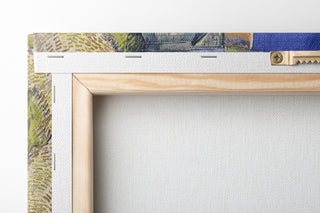
View from behind
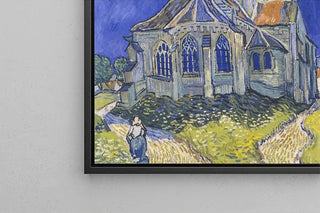
Frame (optional)
Art print of original watercolor drawings of birds and eggs Pl25 - John William Lewin – Captivating introduction
In the vast panorama of art history, certain works stand out for their ability to capture the very essence of nature. The "Original watercolor drawings of birds and eggs Pl25" by John William Lewin are one such creation that transcends mere observation to invite deep contemplation. Lewin, a pioneer of ornithological illustration in Australia, masterfully combined scientific precision with refined aesthetics. Each watercolor, vibrant with color and detail, resonates with the fragile beauty of avian wildlife, while offering a fascinating glimpse into the biodiversity of the early 19th century.
Style and uniqueness of the work
Lewin's style is characterized by remarkable meticulousness and a keen sense of observation. His watercolors do not merely depict birds and their eggs; they evoke an atmosphere, an ambiance, almost a visual poetry. The color palette, subtle and nuanced, gives each piece a depth that goes beyond simple illustration. The play of light and shadow, carefully orchestrated, brings his subjects to life, allowing viewers to feel the elegance and grace of the birds. Every brushstroke reflects a passion for nature, a celebration of organic beauty that invites reflection on our relationship with the natural world.
The artist and his influence
John William Lewin, often considered Australia's first naturalist artist, left an indelible mark in the fields of art and science. Born in England, he emigrated to Australia where he dedicated his life to studying and depicting local flora and fauna. His innovative approach, blending art and science, inspired many artists and naturalists who followed in his footsteps. Lewin not only documented species still little known in his time but also helped raise public awareness of Australia's biodiversity richness. His ability to combine scientific accuracy with artistic sensitivity paved the way for a new form of naturalist art, influencing generations of
Art print of original watercolor drawings of birds and eggs Pl25 - John William Lewin | Art print

-10% FROM €95 IN PURCHASES
-15% FROM €195 IN PURCHASES
Regular price
- Unit price
- per
Tax included.
Free shipping
€4.90 / Free shipping on orders over €39
Satisfied or Money Back
Free returns within 30 days
10-year warranty
Our prints are guaranteed for 10 years
Any questions? We are here!
by email to contact@artemlegrand.com
THE STEPS OF YOUR ORDER

STEP 1 - ORDER PLACED
Your order has been confirmed and we are starting production
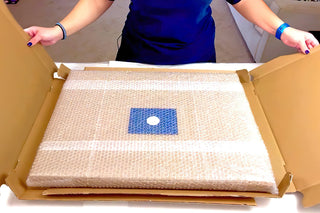
STEP 2 - SHIPPING
We ship your order. We send you an email to track the progress

STEP 3 - DELIVERY
You receive your order. You can also, according to your choice, be delivered to a relay point.
Matte finish
View from behind
Frame (optional)
Art print of original watercolor drawings of birds and eggs Pl25 - John William Lewin – Captivating introduction
In the vast panorama of art history, certain works stand out for their ability to capture the very essence of nature. The "Original watercolor drawings of birds and eggs Pl25" by John William Lewin are one such creation that transcends mere observation to invite deep contemplation. Lewin, a pioneer of ornithological illustration in Australia, masterfully combined scientific precision with refined aesthetics. Each watercolor, vibrant with color and detail, resonates with the fragile beauty of avian wildlife, while offering a fascinating glimpse into the biodiversity of the early 19th century.
Style and uniqueness of the work
Lewin's style is characterized by remarkable meticulousness and a keen sense of observation. His watercolors do not merely depict birds and their eggs; they evoke an atmosphere, an ambiance, almost a visual poetry. The color palette, subtle and nuanced, gives each piece a depth that goes beyond simple illustration. The play of light and shadow, carefully orchestrated, brings his subjects to life, allowing viewers to feel the elegance and grace of the birds. Every brushstroke reflects a passion for nature, a celebration of organic beauty that invites reflection on our relationship with the natural world.
The artist and his influence
John William Lewin, often considered Australia's first naturalist artist, left an indelible mark in the fields of art and science. Born in England, he emigrated to Australia where he dedicated his life to studying and depicting local flora and fauna. His innovative approach, blending art and science, inspired many artists and naturalists who followed in his footsteps. Lewin not only documented species still little known in his time but also helped raise public awareness of Australia's biodiversity richness. His ability to combine scientific accuracy with artistic sensitivity paved the way for a new form of naturalist art, influencing generations of
12,34 €