
Ophélie - Thomas Francis Dicksee | Art print


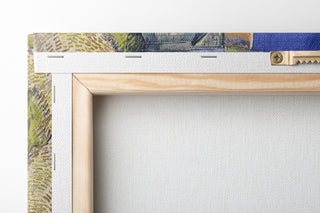
View from behind
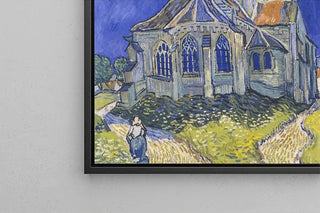
Frame (optional)
Ophélie - Thomas Francis Dicksee – Captivating Introduction
The art print "Ophélie" by Thomas Francis Dicksee is a masterpiece that delicately evokes the tragedy and beauty of the eponymous character from Shakespeare's "Hamlet." This romantic and melancholic depiction of Ophelia, floating in the water, captivates viewers' gaze and imagination. Dicksee, through his brushwork, manages to convey the very essence of human pain and fragility, enveloping the work in a dreamlike atmosphere. The scene, imbued with poetry, transports us to a universe where beauty and tragedy intersect, inspiring deep reflection on the human condition.
Style and uniqueness of the art print
Dicksee's style is distinguished by meticulous attention to detail and his ability to capture complex emotions. "Ophélie" features delicate colors and soft lighting that bathes the scene, creating an ambiance that is both serene and unsettling. The floral motifs surrounding the main character add a symbolic dimension, representing both life and death. The composition is carefully orchestrated, guiding the viewer's gaze toward Ophélie's face, whose melancholic expression evokes profound sadness. Every element of the art print, from the water reflections to the movement of the clothing, is rendered with remarkable precision, demonstrating the artist's exceptional talent. This realism, combined with a romantic touch, gives "Ophélie" a uniqueness that makes it unforgettable.
The artist and his influence
Thomas Francis Dicksee, a British painter of the 19th century, is often associated with the Pre-Raphaelite movement, although he developed a distinctive style that blends romanticism and symbolism. His work is set within an artistic context where the exploration of human emotions and literary themes prevails. Dicksee drew inspiration from great masters while forging his own artistic identity. His influence extends beyond his era, inspiring many contemporary and future artists. By choosing to depict literary characters, he paved the way for a new form of artistic interpretation, where literature and painting converge to
Ophélie - Thomas Francis Dicksee | Art print

-10% FROM €95 IN PURCHASES
-15% FROM €195 IN PURCHASES
Regular price
- Unit price
- per
Tax included.
Free shipping
€4.90 / Free shipping on orders over €39
Satisfied or Money Back
Free returns within 30 days
10-year warranty
Our prints are guaranteed for 10 years
Any questions? We are here!
by email to contact@artemlegrand.com
THE STEPS OF YOUR ORDER

STEP 1 - ORDER PLACED
Your order has been confirmed and we are starting production
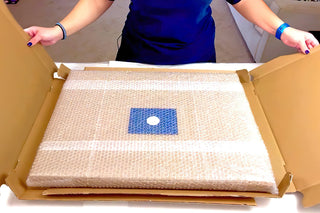
STEP 2 - SHIPPING
We ship your order. We send you an email to track the progress

STEP 3 - DELIVERY
You receive your order. You can also, according to your choice, be delivered to a relay point.
Matte finish
View from behind
Frame (optional)
Ophélie - Thomas Francis Dicksee – Captivating Introduction
The art print "Ophélie" by Thomas Francis Dicksee is a masterpiece that delicately evokes the tragedy and beauty of the eponymous character from Shakespeare's "Hamlet." This romantic and melancholic depiction of Ophelia, floating in the water, captivates viewers' gaze and imagination. Dicksee, through his brushwork, manages to convey the very essence of human pain and fragility, enveloping the work in a dreamlike atmosphere. The scene, imbued with poetry, transports us to a universe where beauty and tragedy intersect, inspiring deep reflection on the human condition.
Style and uniqueness of the art print
Dicksee's style is distinguished by meticulous attention to detail and his ability to capture complex emotions. "Ophélie" features delicate colors and soft lighting that bathes the scene, creating an ambiance that is both serene and unsettling. The floral motifs surrounding the main character add a symbolic dimension, representing both life and death. The composition is carefully orchestrated, guiding the viewer's gaze toward Ophélie's face, whose melancholic expression evokes profound sadness. Every element of the art print, from the water reflections to the movement of the clothing, is rendered with remarkable precision, demonstrating the artist's exceptional talent. This realism, combined with a romantic touch, gives "Ophélie" a uniqueness that makes it unforgettable.
The artist and his influence
Thomas Francis Dicksee, a British painter of the 19th century, is often associated with the Pre-Raphaelite movement, although he developed a distinctive style that blends romanticism and symbolism. His work is set within an artistic context where the exploration of human emotions and literary themes prevails. Dicksee drew inspiration from great masters while forging his own artistic identity. His influence extends beyond his era, inspiring many contemporary and future artists. By choosing to depict literary characters, he paved the way for a new form of artistic interpretation, where literature and painting converge to
12,34 €