
Painting Ode to Dante - Franz von Bayros | Art print


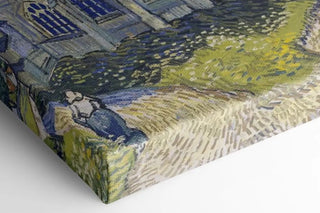
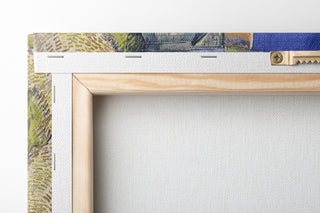
View from behind
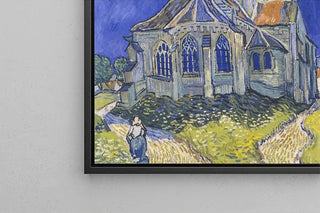
Frame (optional)
The Reproduction "Ode to Dante" by Franz von Bayros is a true tribute to the beauty and depth of artistic thought. This painting, which evokes Dante Alighieri's poetic universe, immerses us in a world where literature and art meet with rare intensity. Through delicate nuances and elegant forms, Bayros manages to capture the very essence of Dante's work, offering a visual interpretation that transcends eras. Every gaze upon this piece is an invitation to explore a universe rich in symbolism and emotion, where passion for art and poetry intertwine harmoniously.
Style and uniqueness of the work
Franz von Bayros's style is distinguished by exceptional finesse and meticulous attention to detail. In "Ode to Dante," the artist uses flowing lines and balanced compositions to create an atmosphere that is both dreamlike and contemplative. The figures, delicately drawn, seem to dance across the canvas, embodying the ideas and themes present in Dante's writings. The color palette chosen by Bayros, blending soft hues with striking contrasts, enhances the emotional impact of the art print. Each visual element contributes to a subtle narrative, inviting the viewer to immerse themselves in a dialogue between art and literature. This singularity makes "Ode to Dante" not only an art print but also a testament to the cultural richness of a bygone era.
The artist and his influence
Franz von Bayros, born in 1866, was an artist whose work was influenced by symbolism and Art Nouveau. His career, although focused over a relatively short period, left an indelible mark on the art world. Bayros skillfully combined various influences, drawing inspiration from great masters of the past while infusing a modernity unique to his artistic vision. His exploration of literary themes, especially those related to Dante, demonstrates a deep understanding of the emotional and intellectual stakes present in literature. Bayros's art prints continue to inspire many contemporary artists, proving that his legacy extends far beyond.
Painting Ode to Dante - Franz von Bayros | Art print

-10% FROM €95 IN PURCHASES
-15% FROM €195 IN PURCHASES
Regular price
- Unit price
- per
Tax included.
Free shipping
€4.90 / Free shipping on orders over €39
Satisfied or Money Back
Free returns within 30 days
10-year warranty
Our prints are guaranteed for 10 years
Any questions? We are here!
by email to contact@artemlegrand.com
THE STEPS OF YOUR ORDER

STEP 1 - ORDER PLACED
Your order has been confirmed and we are starting production
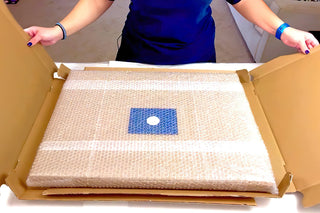
STEP 2 - SHIPPING
We ship your order. We send you an email to track the progress

STEP 3 - DELIVERY
You receive your order. You can also, according to your choice, be delivered to a relay point.
Matte finish
View from behind
Frame (optional)
The Reproduction "Ode to Dante" by Franz von Bayros is a true tribute to the beauty and depth of artistic thought. This painting, which evokes Dante Alighieri's poetic universe, immerses us in a world where literature and art meet with rare intensity. Through delicate nuances and elegant forms, Bayros manages to capture the very essence of Dante's work, offering a visual interpretation that transcends eras. Every gaze upon this piece is an invitation to explore a universe rich in symbolism and emotion, where passion for art and poetry intertwine harmoniously.
Style and uniqueness of the work
Franz von Bayros's style is distinguished by exceptional finesse and meticulous attention to detail. In "Ode to Dante," the artist uses flowing lines and balanced compositions to create an atmosphere that is both dreamlike and contemplative. The figures, delicately drawn, seem to dance across the canvas, embodying the ideas and themes present in Dante's writings. The color palette chosen by Bayros, blending soft hues with striking contrasts, enhances the emotional impact of the art print. Each visual element contributes to a subtle narrative, inviting the viewer to immerse themselves in a dialogue between art and literature. This singularity makes "Ode to Dante" not only an art print but also a testament to the cultural richness of a bygone era.
The artist and his influence
Franz von Bayros, born in 1866, was an artist whose work was influenced by symbolism and Art Nouveau. His career, although focused over a relatively short period, left an indelible mark on the art world. Bayros skillfully combined various influences, drawing inspiration from great masters of the past while infusing a modernity unique to his artistic vision. His exploration of literary themes, especially those related to Dante, demonstrates a deep understanding of the emotional and intellectual stakes present in literature. Bayros's art prints continue to inspire many contemporary artists, proving that his legacy extends far beyond.
12,34 €