
Nude pink sitting - Frits van den Berghe | Art print


View from behind
Frame (optional)
Art print Nu rose assis - Frits van den Berghe – Engaging Introduction
In the vibrant universe of modern art, "Nu rose assis" by Frits van den Berghe stands as an iconic work, captivating viewers and evoking emotions. This piece, embodying beauty and sensuality, reflects an era when art broke free from conventions to explore new dimensions of human expression. The depiction of a female figure, both delicate and powerful, invites the viewer to immerse themselves in a world where color and form blend to create a unique atmosphere. The art print of this work allows not only appreciation of the artist's technique but also an immersion into the spirit of a time marked by the pursuit of aesthetics and emotion.
Style and uniqueness of the work
Frits van den Berghe's style is distinguished by its boldness and ability to capture the essence of his subjects. In "Nu rose assis," warm tones and voluptuous shapes combine to bring to life a female silhouette that appears both serene and dynamic. The color palette, dominated by delicate pinks and flesh tones, creates a visual harmony that draws the eye and inspires deep contemplation. The artist skillfully plays with light and shadow, giving the figure an almost sculptural dimension. This stylistic choice reflects not only technical mastery but also an artistic sensitivity that allows transcending mere representation to reach a form of emotional intimacy. Through this work, van den Berghe does not merely depict the female body; he explores its nuances, subtleties, and intrinsic beauty.
The artist and his influence
Frits van den Berghe, a prominent figure of the Belgian expressionist movement, established himself through his innovative approach and unique artistic vision. Born in 1883, he was influenced by the artistic currents of his time, notably Fauvism and Cubism, while developing a style that is entirely his own. His works, often imbued with a certain melancholy, testify to a quest for inner truth and an exploration of human emotions. Van den Berghe has
Nude pink sitting - Frits van den Berghe | Art print

-10% FROM €95 IN PURCHASES
-15% FROM €195 IN PURCHASES
Regular price
- Unit price
- by
Free shipping
€4.90 / Free shipping on orders over €39
Satisfied or Money Back
Free returns within 30 days
10-year warranty
Our prints are guaranteed for 10 years
Any questions? We are here!
by email to contact@artemlegrand.com
THE STEPS OF YOUR ORDER
STEP 1 - ORDER PLACED
Your order has been confirmed and we are starting production
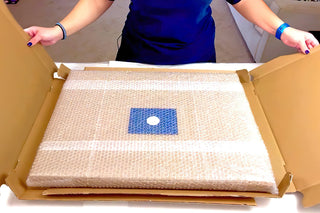
STEP 2 - SHIPPING
We ship your order. We send you an email to track the progress

STEP 3 - DELIVERY
You receive your order. You can also, according to your choice, be delivered to a relay point.
Matte finish
View from behind
Frame (optional)
Art print Nu rose assis - Frits van den Berghe – Engaging Introduction
In the vibrant universe of modern art, "Nu rose assis" by Frits van den Berghe stands as an iconic work, captivating viewers and evoking emotions. This piece, embodying beauty and sensuality, reflects an era when art broke free from conventions to explore new dimensions of human expression. The depiction of a female figure, both delicate and powerful, invites the viewer to immerse themselves in a world where color and form blend to create a unique atmosphere. The art print of this work allows not only appreciation of the artist's technique but also an immersion into the spirit of a time marked by the pursuit of aesthetics and emotion.
Style and uniqueness of the work
Frits van den Berghe's style is distinguished by its boldness and ability to capture the essence of his subjects. In "Nu rose assis," warm tones and voluptuous shapes combine to bring to life a female silhouette that appears both serene and dynamic. The color palette, dominated by delicate pinks and flesh tones, creates a visual harmony that draws the eye and inspires deep contemplation. The artist skillfully plays with light and shadow, giving the figure an almost sculptural dimension. This stylistic choice reflects not only technical mastery but also an artistic sensitivity that allows transcending mere representation to reach a form of emotional intimacy. Through this work, van den Berghe does not merely depict the female body; he explores its nuances, subtleties, and intrinsic beauty.
The artist and his influence
Frits van den Berghe, a prominent figure of the Belgian expressionist movement, established himself through his innovative approach and unique artistic vision. Born in 1883, he was influenced by the artistic currents of his time, notably Fauvism and Cubism, while developing a style that is entirely his own. His works, often imbued with a certain melancholy, testify to a quest for inner truth and an exploration of human emotions. Van den Berghe has