
Painting Portrait of a noble - Jacopo Palma the Younger | Art print


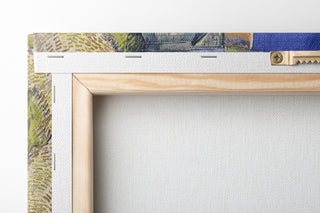
View from behind
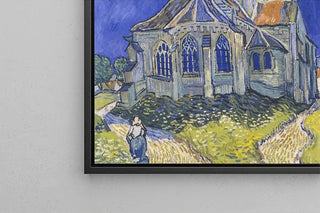
Frame (optional)
In the fascinating world of the Venetian Renaissance, the "Art print of a noble" by Jacopo Palma the Younger stands out for its elegance and psychological depth. This piece, emblematic of its creator's talent, captures the very essence of portraiture as a means of artistic and social expression. Through the carefully sketched features of its subject, Palma the Younger invites us to explore not only the individuality of the depicted noble but also the cultural and historical context of his time. The mastery of light and shadow, as well as the richness of colors, testify to an exceptional skill that continues to captivate art enthusiasts.
Style and uniqueness of the work
Jacopo Palma the Younger's style is characterized by a refined and delicate approach, where every detail is meticulously crafted. In the "Art print of a noble," the artist manages to create an intimate atmosphere, almost tangible, allowing the viewer to feel the presence of the character. The sumptuous drapery of his clothing, as well as the subtle expression on his face, reveal a complex psychology and nobility of soul. Palma the Younger excels in the use of color, employing rich and varied tones that bring unparalleled depth to his compositions. This portrait, beyond its decorative function, becomes a true mirror of 16th-century Venetian society, where social status and personal identity blend harmoniously.
The artist and his influence
Jacopo Palma the Younger, born in Venice, is often regarded as one of the major representatives of Venetian painting. His work stands at the crossroads between the traditions of his predecessor, Palma Vecchio, and the innovations of his contemporaries such as Titian and Veronese. Palma the Younger's ability to incorporate elements of nature, psychological portraits, and dynamic compositions not only enriched the artistic heritage of his time but also left an indelible mark on future generations of artists. His influence is felt in the way he humanized the portrait, transforming each subject into a living entity full of emotion and nuance.
Painting Portrait of a noble - Jacopo Palma the Younger | Art print

-10% FROM €95 IN PURCHASES
-15% FROM €195 IN PURCHASES
Regular price
- Unit price
- per
Tax included.
Free shipping
€4.90 / Free shipping on orders over €39
Satisfied or Money Back
Free returns within 30 days
10-year warranty
Our prints are guaranteed for 10 years
Any questions? We are here!
by email to contact@artemlegrand.com
THE STEPS OF YOUR ORDER

STEP 1 - ORDER PLACED
Your order has been confirmed and we are starting production
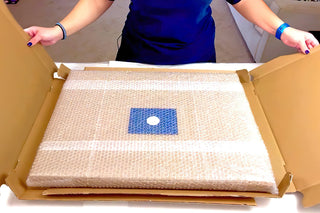
STEP 2 - SHIPPING
We ship your order. We send you an email to track the progress

STEP 3 - DELIVERY
You receive your order. You can also, according to your choice, be delivered to a relay point.
Matte finish
View from behind
Frame (optional)
In the fascinating world of the Venetian Renaissance, the "Art print of a noble" by Jacopo Palma the Younger stands out for its elegance and psychological depth. This piece, emblematic of its creator's talent, captures the very essence of portraiture as a means of artistic and social expression. Through the carefully sketched features of its subject, Palma the Younger invites us to explore not only the individuality of the depicted noble but also the cultural and historical context of his time. The mastery of light and shadow, as well as the richness of colors, testify to an exceptional skill that continues to captivate art enthusiasts.
Style and uniqueness of the work
Jacopo Palma the Younger's style is characterized by a refined and delicate approach, where every detail is meticulously crafted. In the "Art print of a noble," the artist manages to create an intimate atmosphere, almost tangible, allowing the viewer to feel the presence of the character. The sumptuous drapery of his clothing, as well as the subtle expression on his face, reveal a complex psychology and nobility of soul. Palma the Younger excels in the use of color, employing rich and varied tones that bring unparalleled depth to his compositions. This portrait, beyond its decorative function, becomes a true mirror of 16th-century Venetian society, where social status and personal identity blend harmoniously.
The artist and his influence
Jacopo Palma the Younger, born in Venice, is often regarded as one of the major representatives of Venetian painting. His work stands at the crossroads between the traditions of his predecessor, Palma Vecchio, and the innovations of his contemporaries such as Titian and Veronese. Palma the Younger's ability to incorporate elements of nature, psychological portraits, and dynamic compositions not only enriched the artistic heritage of his time but also left an indelible mark on future generations of artists. His influence is felt in the way he humanized the portrait, transforming each subject into a living entity full of emotion and nuance.
12,34 €