
Painting Mon Jardin à Ceylan Pl136 - George De Alwis | Art print


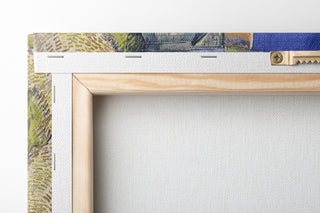
View from behind
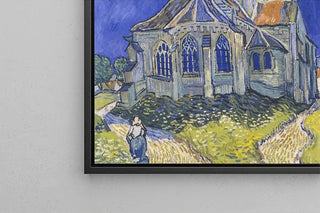
Frame (optional)
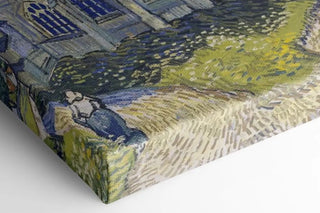
In the world of art, some works transcend their mere existence to become windows into other realities. "Mon Jardin à Ceylan Pl136 - George De Alwis" falls into this category, offering a poetic glimpse of the lush nature of Ceylon, present-day Sri Lanka. This piece, imbued with serenity and beauty, invites viewers to an immersive contemplation. Through vibrant colors and harmonious compositions, De Alwis manages to capture the very essence of his environment, transforming a garden into a living work of art. Every detail, every nuance, seems to tell a story—one of a land rich in culture and biodiversity.
Style and uniqueness of the work
George De Alwis's style is characterized by a delicate and intuitive approach to painting. In "Mon Jardin à Ceylan," he uses a color palette that evokes tropical warmth, blending bright greens with touches of vibrant flowers. Light plays a crucial role in this piece, creating shadows and reflections that bring natural elements to life. Organic shapes blend gracefully, illustrating a perfect balance between nature and art. The composition, though free and spontaneous, reveals undeniable technical mastery, each brushstroke carefully thought out to guide the viewer’s eye across the canvas. This uniqueness is also reflected in the choice of subjects, where each plant and flower appears to have been selected not only for their beauty but also for their deep symbolism.
The artist and his influence
George De Alwis is an artist whose work is deeply rooted in Ceylonese culture. His training, influenced by the great masters of painting as well as local traditions, allows him to create a unique artistic language. De Alwis draws inspiration from the nature surrounding him, but also from the stories and myths of his country. His commitment to environmental preservation and respect for local culture are reflected in every canvas he produces. Through his works, he aims to convey a vision of the world where harmony between man and nature is paramount. Admirers of his work are often touched
Painting Mon Jardin à Ceylan Pl136 - George De Alwis | Art print

-10% FROM €95 IN PURCHASES
-15% FROM €195 IN PURCHASES
Regular price
- Unit price
- per
Tax included.
Free shipping
€4.90 / Free shipping on orders over €39
Satisfied or Money Back
Free returns within 30 days
10-year warranty
Our prints are guaranteed for 10 years
Any questions? We are here!
by email to contact@artemlegrand.com
THE STEPS OF YOUR ORDER

STEP 1 - ORDER PLACED
Your order has been confirmed and we are starting production
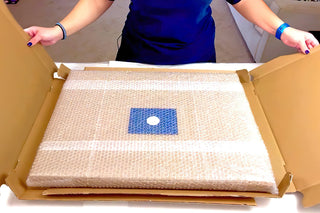
STEP 2 - SHIPPING
We ship your order. We send you an email to track the progress

STEP 3 - DELIVERY
You receive your order. You can also, according to your choice, be delivered to a relay point.
Matte finish
View from behind
Frame (optional)
In the world of art, some works transcend their mere existence to become windows into other realities. "Mon Jardin à Ceylan Pl136 - George De Alwis" falls into this category, offering a poetic glimpse of the lush nature of Ceylon, present-day Sri Lanka. This piece, imbued with serenity and beauty, invites viewers to an immersive contemplation. Through vibrant colors and harmonious compositions, De Alwis manages to capture the very essence of his environment, transforming a garden into a living work of art. Every detail, every nuance, seems to tell a story—one of a land rich in culture and biodiversity.
Style and uniqueness of the work
George De Alwis's style is characterized by a delicate and intuitive approach to painting. In "Mon Jardin à Ceylan," he uses a color palette that evokes tropical warmth, blending bright greens with touches of vibrant flowers. Light plays a crucial role in this piece, creating shadows and reflections that bring natural elements to life. Organic shapes blend gracefully, illustrating a perfect balance between nature and art. The composition, though free and spontaneous, reveals undeniable technical mastery, each brushstroke carefully thought out to guide the viewer’s eye across the canvas. This uniqueness is also reflected in the choice of subjects, where each plant and flower appears to have been selected not only for their beauty but also for their deep symbolism.
The artist and his influence
George De Alwis is an artist whose work is deeply rooted in Ceylonese culture. His training, influenced by the great masters of painting as well as local traditions, allows him to create a unique artistic language. De Alwis draws inspiration from the nature surrounding him, but also from the stories and myths of his country. His commitment to environmental preservation and respect for local culture are reflected in every canvas he produces. Through his works, he aims to convey a vision of the world where harmony between man and nature is paramount. Admirers of his work are often touched
12,34 €