
Mousquetaire at rest - G. Camfri | Art print


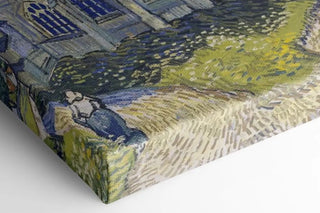
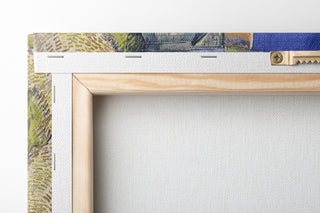
View from behind
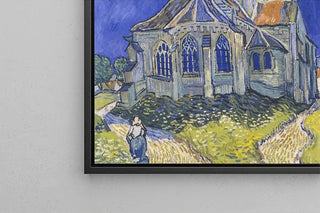
Frame (optional)
In the vibrant universe of art, certain works stand out for their ability to capture the very essence of an era, evoke an atmosphere, and stir deep emotions. "Mousquetaire au repos - G. Camfri" is one of these creations that, through its apparent simplicity, manages to transport the viewer into a world where the everyday and the sublime meet. This painting, depicting a mousquetaire in a moment of pause, invites contemplation and reflection on the lives of soldiers of the past, while revealing the technical mastery and refined aesthetic of its artist.
Style and uniqueness of the work
The depiction of the mousquetaire, an emblematic figure of 17th-century France, is here enhanced by a masterful treatment of colors and textures. G. Camfri skillfully plays with light, creating delicate shadows that accentuate the character's features. The gaze of the mousquetaire, both thoughtful and serene, seems to tell a story— that of a man caught between duty and rest, between war and peace. The composition is carefully balanced, with each element having its place, contributing to the overall harmony of the piece. The background, though blurred, suggests lush nature that contrasts with the austere uniform of the soldier, thus reinforcing the idea that even in moments of calm, the beauty of the surrounding world should never be forgotten.
The artist and his influence
G. Camfri, an artist whose name is often associated with the rediscovery of great masters, has drawn inspiration from artistic traditions while infusing them with a palpable modernity. His style, marked by attention to detail and a constant search for visual truth, has made him a respected figure in the artistic community. Camfri was influenced by the great names of classical painting, but he also developed a unique voice that is entirely his own. His ability to capture moments of life and transform them into visual narratives testifies to his deep respect for history and culture. "Mousquetaire au repos" is thus the result of a reflection on the past, while being a decidedly contemporary work capable of touching
Mousquetaire at rest - G. Camfri | Art print

-10% FROM €95 IN PURCHASES
-15% FROM €195 IN PURCHASES
Regular price
- Unit price
- by
Free shipping
€4.90 / Free shipping on orders over €39
Satisfied or Money Back
Free returns within 30 days
10-year warranty
Our prints are guaranteed for 10 years
Any questions? We are here!
by email to contact@artemlegrand.com
THE STEPS OF YOUR ORDER

STEP 1 - ORDER PLACED
Your order has been confirmed and we are starting production
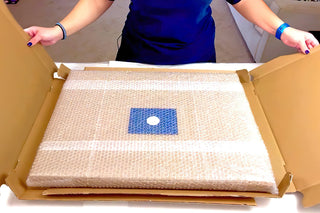
STEP 2 - SHIPPING
We ship your order. We send you an email to track the progress

STEP 3 - DELIVERY
You receive your order. You can also, according to your choice, be delivered to a relay point.
Matte finish
View from behind
Frame (optional)
In the vibrant universe of art, certain works stand out for their ability to capture the very essence of an era, evoke an atmosphere, and stir deep emotions. "Mousquetaire au repos - G. Camfri" is one of these creations that, through its apparent simplicity, manages to transport the viewer into a world where the everyday and the sublime meet. This painting, depicting a mousquetaire in a moment of pause, invites contemplation and reflection on the lives of soldiers of the past, while revealing the technical mastery and refined aesthetic of its artist.
Style and uniqueness of the work
The depiction of the mousquetaire, an emblematic figure of 17th-century France, is here enhanced by a masterful treatment of colors and textures. G. Camfri skillfully plays with light, creating delicate shadows that accentuate the character's features. The gaze of the mousquetaire, both thoughtful and serene, seems to tell a story— that of a man caught between duty and rest, between war and peace. The composition is carefully balanced, with each element having its place, contributing to the overall harmony of the piece. The background, though blurred, suggests lush nature that contrasts with the austere uniform of the soldier, thus reinforcing the idea that even in moments of calm, the beauty of the surrounding world should never be forgotten.
The artist and his influence
G. Camfri, an artist whose name is often associated with the rediscovery of great masters, has drawn inspiration from artistic traditions while infusing them with a palpable modernity. His style, marked by attention to detail and a constant search for visual truth, has made him a respected figure in the artistic community. Camfri was influenced by the great names of classical painting, but he also developed a unique voice that is entirely his own. His ability to capture moments of life and transform them into visual narratives testifies to his deep respect for history and culture. "Mousquetaire au repos" is thus the result of a reflection on the past, while being a decidedly contemporary work capable of touching