
Painting Monsieur Martin - Jean-François Millet | Art print


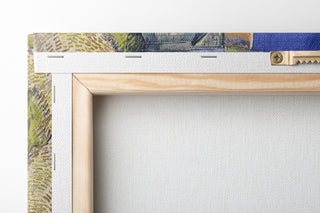
View from behind
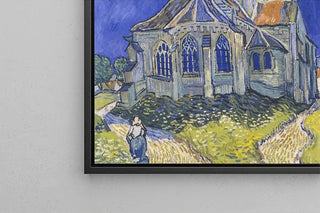
Frame (optional)
In the world of art, certain works transcend the simple frame of painting to become powerful testimonies of their era. "Monsieur Martin" by Jean-François Millet is one of those creations that, through its depth and humanity, invites reflection on the human condition. This painting, depicting a man with a face marked by labor and life, evokes not only the reality of 19th-century rural life but also a certain form of dignity found in daily toil. The art print of this work allows for a rediscovery of the very essence of what Millet aimed to convey: an intimate connection with nature and labor, while celebrating the beauty of simple gestures.
Style and uniqueness of the work
Millet's style is distinguished by its ability to capture light and textures in a striking manner. In "Monsieur Martin," the shades of earthy colors and the play of shadows create an atmosphere that is both warm and melancholic. The character, at the center of the canvas, is portrayed with rare expressiveness, his features marked by years of hard work. The composition, though simple, is of great depth, revealing a rich and complex inner world. Millet, using painting techniques that emphasize realism, manages to create an emotional connection with the viewer. Every brushstroke seems to tell a story, that of a man whose gaze fixes the horizon, as if carrying within him the hopes and struggles of an entire generation.
The artist and his influence
Jean-François Millet, an emblematic figure of the realist movement, established himself as one of the most influential painters of his time. Born in 1814, he dedicated his life to representing the lives of peasants, often neglected by his contemporaries. Millet succeeded in bringing out beauty in the simplicity of everyday life, which profoundly impacted art and culture of his era. His humanist approach and commitment to depicting the social reality of the working classes paved the way for many artists who followed, notably within the Impressionist movement. The strength of his work lies in its ability to evoke universal emotions, transcending the barriers
Painting Monsieur Martin - Jean-François Millet | Art print

-10% FROM €95 IN PURCHASES
-15% FROM €195 IN PURCHASES
Regular price
- Unit price
- per
Tax included.
Free shipping
€4.90 / Free shipping on orders over €39
Satisfied or Money Back
Free returns within 30 days
10-year warranty
Our prints are guaranteed for 10 years
Any questions? We are here!
by email to contact@artemlegrand.com
THE STEPS OF YOUR ORDER

STEP 1 - ORDER PLACED
Your order has been confirmed and we are starting production
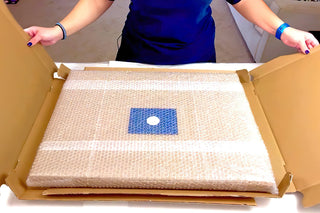
STEP 2 - SHIPPING
We ship your order. We send you an email to track the progress

STEP 3 - DELIVERY
You receive your order. You can also, according to your choice, be delivered to a relay point.
Matte finish
View from behind
Frame (optional)
In the world of art, certain works transcend the simple frame of painting to become powerful testimonies of their era. "Monsieur Martin" by Jean-François Millet is one of those creations that, through its depth and humanity, invites reflection on the human condition. This painting, depicting a man with a face marked by labor and life, evokes not only the reality of 19th-century rural life but also a certain form of dignity found in daily toil. The art print of this work allows for a rediscovery of the very essence of what Millet aimed to convey: an intimate connection with nature and labor, while celebrating the beauty of simple gestures.
Style and uniqueness of the work
Millet's style is distinguished by its ability to capture light and textures in a striking manner. In "Monsieur Martin," the shades of earthy colors and the play of shadows create an atmosphere that is both warm and melancholic. The character, at the center of the canvas, is portrayed with rare expressiveness, his features marked by years of hard work. The composition, though simple, is of great depth, revealing a rich and complex inner world. Millet, using painting techniques that emphasize realism, manages to create an emotional connection with the viewer. Every brushstroke seems to tell a story, that of a man whose gaze fixes the horizon, as if carrying within him the hopes and struggles of an entire generation.
The artist and his influence
Jean-François Millet, an emblematic figure of the realist movement, established himself as one of the most influential painters of his time. Born in 1814, he dedicated his life to representing the lives of peasants, often neglected by his contemporaries. Millet succeeded in bringing out beauty in the simplicity of everyday life, which profoundly impacted art and culture of his era. His humanist approach and commitment to depicting the social reality of the working classes paved the way for many artists who followed, notably within the Impressionist movement. The strength of his work lies in its ability to evoke universal emotions, transcending the barriers
12,34 €