
Art print Monseigneur de la Maison - Pontormo Jacopo Carucci


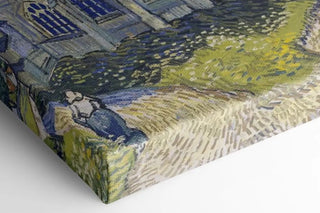
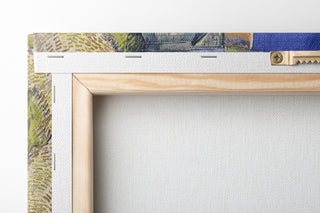
View from behind
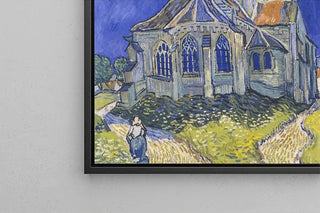
Frame (optional)
In the fascinating universe of the Italian Renaissance, the artwork "Monseigneur de la Maison" by Pontormo Jacopo Carucci stands out for its emotional depth and chromatic richness. This painting, embodying the very essence of 16th-century Florentine art, invites viewers to enter a world where spirituality and humanity meet. The delicate depiction of a clerical figure, both imposing and vulnerable, testifies to Pontormo's unparalleled talent for capturing the nuances of the human soul. Through this art print, the work continues to live on and touch hearts, offering a visual experience that transcends time.
Style and uniqueness of the work
Pontormo's style is characterized by bold use of colors and shapes, creating an atmosphere that is both mystical and tangible. In "Monseigneur de la Maison," pastel shades blend with deep shadows, suggesting an inner light illuminating the face of the subject. The sinuous lines and elegant poses of the figures reveal a unique sensitivity, almost mannerist, challenging conventional perspective. Every detail, from the drapery of the clothing to subtle expressions, contributes to a harmonious composition, where each element seems to breathe its own life. This work is not merely a simple representation; it embodies a dialogue between the sacred and the profane, a delicate balance that makes its singularity.
The artist and his influence
Jacopo Carucci, known as Pontormo, is one of the most emblematic artists of the Renaissance. Trained in Michelangelo's workshop and influenced by the masters of his time, he developed a style that is uniquely his own, blending tradition and innovation. His distinctive approach to color and form has inspired many artists, both contemporary and subsequent. Pontormo captured the essence of human emotion, making his works timeless. His ability to fuse psychological introspection with narrative elements paved the way for generations of artists. "Monseigneur de la Maison" is a perfect illustration of this influence,
Art print Monseigneur de la Maison - Pontormo Jacopo Carucci

-10% FROM €95 IN PURCHASES
-15% FROM €195 IN PURCHASES
Regular price
- Unit price
- per
Tax included.
Free shipping
€4.90 / Free shipping on orders over €39
Satisfied or Money Back
Free returns within 30 days
10-year warranty
Our prints are guaranteed for 10 years
Any questions? We are here!
by email to contact@artemlegrand.com
THE STEPS OF YOUR ORDER

STEP 1 - ORDER PLACED
Your order has been confirmed and we are starting production
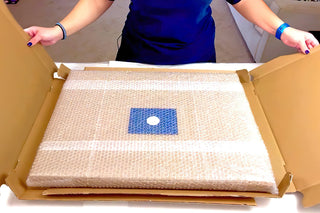
STEP 2 - SHIPPING
We ship your order. We send you an email to track the progress

STEP 3 - DELIVERY
You receive your order. You can also, according to your choice, be delivered to a relay point.
Matte finish
View from behind
Frame (optional)
In the fascinating universe of the Italian Renaissance, the artwork "Monseigneur de la Maison" by Pontormo Jacopo Carucci stands out for its emotional depth and chromatic richness. This painting, embodying the very essence of 16th-century Florentine art, invites viewers to enter a world where spirituality and humanity meet. The delicate depiction of a clerical figure, both imposing and vulnerable, testifies to Pontormo's unparalleled talent for capturing the nuances of the human soul. Through this art print, the work continues to live on and touch hearts, offering a visual experience that transcends time.
Style and uniqueness of the work
Pontormo's style is characterized by bold use of colors and shapes, creating an atmosphere that is both mystical and tangible. In "Monseigneur de la Maison," pastel shades blend with deep shadows, suggesting an inner light illuminating the face of the subject. The sinuous lines and elegant poses of the figures reveal a unique sensitivity, almost mannerist, challenging conventional perspective. Every detail, from the drapery of the clothing to subtle expressions, contributes to a harmonious composition, where each element seems to breathe its own life. This work is not merely a simple representation; it embodies a dialogue between the sacred and the profane, a delicate balance that makes its singularity.
The artist and his influence
Jacopo Carucci, known as Pontormo, is one of the most emblematic artists of the Renaissance. Trained in Michelangelo's workshop and influenced by the masters of his time, he developed a style that is uniquely his own, blending tradition and innovation. His distinctive approach to color and form has inspired many artists, both contemporary and subsequent. Pontormo captured the essence of human emotion, making his works timeless. His ability to fuse psychological introspection with narrative elements paved the way for generations of artists. "Monseigneur de la Maison" is a perfect illustration of this influence,
12,34 €