
Art print Mercury and Argus - Venetian School | Art print


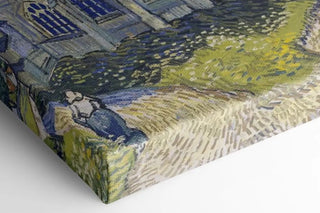
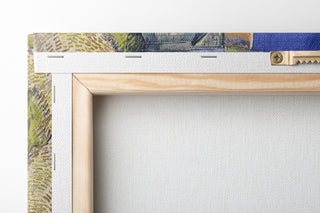
View from behind
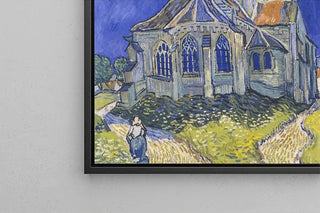
Frame (optional)
The art print "Mercure et Argus" by the Venetian School is a masterpiece that embodies the refinement and elegance of Baroque painting. Evoking Greek mythology, this depiction highlights the god Mercury, messenger of the gods, and Argus, the giant with a hundred eyes. The scene, rich in colors and emotions, transports the viewer into a world where the divine and mortal meet. The dynamic between the characters, as well as the masterful use of light, creates an atmosphere that is both captivating and mysterious, inviting deep contemplation. The art print Mercure et Argus - Venetian School allows for rediscovering this iconic work, while offering an immersion into Baroque aesthetics.
Style and uniqueness of the work
The style of "Mercure et Argus" is distinguished by a vibrant color palette and a treatment of forms that evoke sensuality and fluidity. The drapery of the clothing, rendered with impressive meticulousness, almost seems to come alive under the artist's brush. The faces, imbued with palpable expressiveness, reflect the complex emotions of the characters. The composition is carefully orchestrated, with each element placed with precision to guide the viewer's gaze through the scene. The light, omnipresent, plays a crucial role in highlighting contours and creating shadows that add depth to the work. This subtle use of light and color reveals remarkable technical mastery, characteristic of the Venetian School, which combines harmony and dynamism.
The artist and their influence
The artist behind this work, although often anonymous within the Venetian School, embodies the spirit of a time when art was at the crossroads between tradition and innovation. Artists of this period knew how to draw inspiration from the great masters while developing their own style, marked by increased sensitivity to light effects and a pursuit of ideal beauty. This influence is reflected in many works of the era, where mythology and historical themes are revisited with a new approach. The Venetian School thus contributed to
Art print Mercury and Argus - Venetian School | Art print

-10% FROM €95 IN PURCHASES
-15% FROM €195 IN PURCHASES
Regular price
- Unit price
- per
Tax included.
Free shipping
€4.90 / Free shipping on orders over €39
Satisfied or Money Back
Free returns within 30 days
10-year warranty
Our prints are guaranteed for 10 years
Any questions? We are here!
by email to contact@artemlegrand.com
THE STEPS OF YOUR ORDER

STEP 1 - ORDER PLACED
Your order has been confirmed and we are starting production
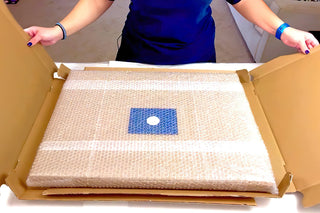
STEP 2 - SHIPPING
We ship your order. We send you an email to track the progress

STEP 3 - DELIVERY
You receive your order. You can also, according to your choice, be delivered to a relay point.
Matte finish
View from behind
Frame (optional)
The art print "Mercure et Argus" by the Venetian School is a masterpiece that embodies the refinement and elegance of Baroque painting. Evoking Greek mythology, this depiction highlights the god Mercury, messenger of the gods, and Argus, the giant with a hundred eyes. The scene, rich in colors and emotions, transports the viewer into a world where the divine and mortal meet. The dynamic between the characters, as well as the masterful use of light, creates an atmosphere that is both captivating and mysterious, inviting deep contemplation. The art print Mercure et Argus - Venetian School allows for rediscovering this iconic work, while offering an immersion into Baroque aesthetics.
Style and uniqueness of the work
The style of "Mercure et Argus" is distinguished by a vibrant color palette and a treatment of forms that evoke sensuality and fluidity. The drapery of the clothing, rendered with impressive meticulousness, almost seems to come alive under the artist's brush. The faces, imbued with palpable expressiveness, reflect the complex emotions of the characters. The composition is carefully orchestrated, with each element placed with precision to guide the viewer's gaze through the scene. The light, omnipresent, plays a crucial role in highlighting contours and creating shadows that add depth to the work. This subtle use of light and color reveals remarkable technical mastery, characteristic of the Venetian School, which combines harmony and dynamism.
The artist and their influence
The artist behind this work, although often anonymous within the Venetian School, embodies the spirit of a time when art was at the crossroads between tradition and innovation. Artists of this period knew how to draw inspiration from the great masters while developing their own style, marked by increased sensitivity to light effects and a pursuit of ideal beauty. This influence is reflected in many works of the era, where mythology and historical themes are revisited with a new approach. The Venetian School thus contributed to
12,34 €