
Art print Roodkopmangabey Cercocebus torquatus aep de Mangabaij Cebus Mangabeij - Anselmus Botius de Boodt


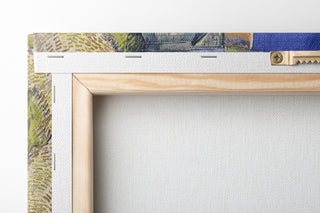
View from behind
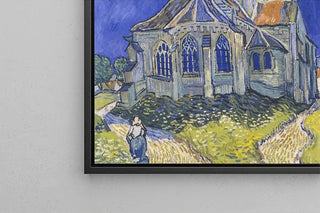
Frame (optional)
In the vast panorama of art history, certain works stand out for their ability to capture the very essence of their subject. The art print of Roodkopmangabey Cercocebus torquatus aep de Mangabaij Cebus Mangabeij by Anselmus Botius de Boodt is a perfect example. This piece, which accurately depicts a rare primate, immerses us in a universe where nature and art intersect. Through the lens of this work, the artist invites us to contemplate the beauty of wildlife while questioning the relationship between humans and the species around them. This painting, imbued with rare delicacy, reminds us of the importance of preserving our environment and the creatures that inhabit it.
Style and uniqueness of the work
Anselmus Botius de Boodt's style is characterized by meticulous attention to detail and a realistic approach that transcends simple representations. In this piece, every hair of the Roodkopmangabey, every shade of color, is rendered with striking fidelity. The artist does not hesitate to play with light and shadow, creating a depth that brings his subject to life. Earth tones and delicate nuances blend harmoniously, revealing a palette that evokes both warmth and serenity. This chromatic choice, combined with a carefully orchestrated composition, makes this work a true masterpiece of animal art. The uniqueness of this piece also lies in its emotional approach, where the primate's gaze seems to question the viewer, establishing a silent dialogue between art and observer.
The artist and his influence
Anselmus Botius de Boodt, although less known than some of his contemporaries, left his mark on his era with his innovative approach to animal representation. Naturalist and artist, he was able to combine his scientific knowledge with his artistic talent, offering a unique vision of biodiversity. His work is set in a context where
Art print Roodkopmangabey Cercocebus torquatus aep de Mangabaij Cebus Mangabeij - Anselmus Botius de Boodt

-10% FROM €95 IN PURCHASES
-15% FROM €195 IN PURCHASES
Regular price
- Unit price
- per
Free shipping
€4.90 / Free shipping on orders over €39
Satisfied or Money Back
Free returns within 30 days
10-year warranty
Our prints are guaranteed for 10 years
Any questions? We are here!
by email to contact@artemlegrand.com
THE STEPS OF YOUR ORDER

STEP 1 - ORDER PLACED
Your order has been confirmed and we are starting production
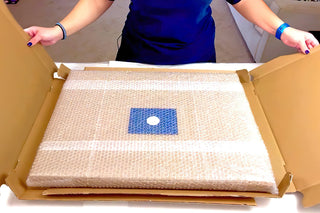
STEP 2 - SHIPPING
We ship your order. We send you an email to track the progress

STEP 3 - DELIVERY
You receive your order. You can also, according to your choice, be delivered to a relay point.
Matte finish
View from behind
Frame (optional)
In the vast panorama of art history, certain works stand out for their ability to capture the very essence of their subject. The art print of Roodkopmangabey Cercocebus torquatus aep de Mangabaij Cebus Mangabeij by Anselmus Botius de Boodt is a perfect example. This piece, which accurately depicts a rare primate, immerses us in a universe where nature and art intersect. Through the lens of this work, the artist invites us to contemplate the beauty of wildlife while questioning the relationship between humans and the species around them. This painting, imbued with rare delicacy, reminds us of the importance of preserving our environment and the creatures that inhabit it.
Style and uniqueness of the work
Anselmus Botius de Boodt's style is characterized by meticulous attention to detail and a realistic approach that transcends simple representations. In this piece, every hair of the Roodkopmangabey, every shade of color, is rendered with striking fidelity. The artist does not hesitate to play with light and shadow, creating a depth that brings his subject to life. Earth tones and delicate nuances blend harmoniously, revealing a palette that evokes both warmth and serenity. This chromatic choice, combined with a carefully orchestrated composition, makes this work a true masterpiece of animal art. The uniqueness of this piece also lies in its emotional approach, where the primate's gaze seems to question the viewer, establishing a silent dialogue between art and observer.
The artist and his influence
Anselmus Botius de Boodt, although less known than some of his contemporaries, left his mark on his era with his innovative approach to animal representation. Naturalist and artist, he was able to combine his scientific knowledge with his artistic talent, offering a unique vision of biodiversity. His work is set in a context where