
Painting Mlle Monica Boyd - George Spencer Watson | Art print


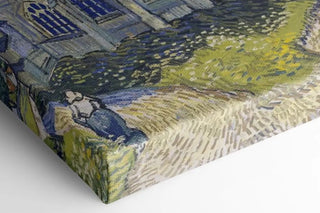
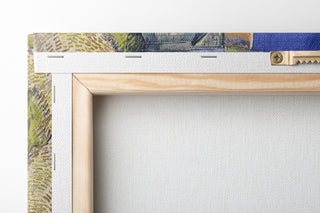
View from behind
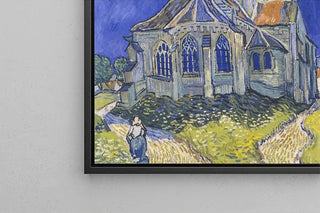
Frame (optional)
The artwork "Mlle Monica Boyd" by George Spencer Watson is a striking example of the finesse and elegance that characterize early 20th-century British painting. In this portrait, the artist manages to capture not only the physical beauty of his model but also an essence, a personality that transcends mere visual representation. The light caressing Monica's face, the delicate details of her dress, and the subtly blurred background create an intimate atmosphere, inviting the viewer to delve into the sitter's universe. This piece, while a classic representation, also evokes a sense of modernity, reflecting the artistic evolutions of its time.
Style and uniqueness of the work
George Spencer Watson's style is distinguished by his ability to blend realism with a touch of idealism. In "Mlle Monica Boyd", each brushstroke appears imbued with deliberate intent, each color carefully chosen to evoke specific emotions. The soft nuances of the model's complexion, combined with the richness of the fabrics, bring the canvas to life, making the character almost tangible. Watson excels in the art of psychological portrayal, and this portrait is no exception. Monica's eyes, full of mystery, seem to tell a story, inviting the viewer to ponder her thoughts and dreams. This subtle mix of technique and emotion makes this work a true masterpiece that continues to inspire and move viewers.
The artist and his influence
George Spencer Watson, born in 1869, was an artist whose work was marked by a constant quest for beauty and expression. Trained at the Royal Academy Schools, he established himself in the British art world thanks to his unique style and mastery of portraiture. Influenced by the great masters of painting, he developed a distinctive voice, incorporating elements of Pre-Raphaelitism while embracing innovations of his era. His portraits, often imbued with romanticism, testify to a keen sensitivity to human emotions and a capacity to immortalize moments of life. Watson's impact on his contemporaries and subsequent generations is undeniable.
Painting Mlle Monica Boyd - George Spencer Watson | Art print

-10% FROM €95 IN PURCHASES
-15% FROM €195 IN PURCHASES
Regular price
- Unit price
- per
Tax included.
Free shipping
€4.90 / Free shipping on orders over €39
Satisfied or Money Back
Free returns within 30 days
10-year warranty
Our prints are guaranteed for 10 years
Any questions? We are here!
by email to contact@artemlegrand.com
THE STEPS OF YOUR ORDER

STEP 1 - ORDER PLACED
Your order has been confirmed and we are starting production
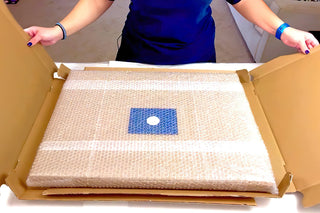
STEP 2 - SHIPPING
We ship your order. We send you an email to track the progress

STEP 3 - DELIVERY
You receive your order. You can also, according to your choice, be delivered to a relay point.
Matte finish
View from behind
Frame (optional)
The artwork "Mlle Monica Boyd" by George Spencer Watson is a striking example of the finesse and elegance that characterize early 20th-century British painting. In this portrait, the artist manages to capture not only the physical beauty of his model but also an essence, a personality that transcends mere visual representation. The light caressing Monica's face, the delicate details of her dress, and the subtly blurred background create an intimate atmosphere, inviting the viewer to delve into the sitter's universe. This piece, while a classic representation, also evokes a sense of modernity, reflecting the artistic evolutions of its time.
Style and uniqueness of the work
George Spencer Watson's style is distinguished by his ability to blend realism with a touch of idealism. In "Mlle Monica Boyd", each brushstroke appears imbued with deliberate intent, each color carefully chosen to evoke specific emotions. The soft nuances of the model's complexion, combined with the richness of the fabrics, bring the canvas to life, making the character almost tangible. Watson excels in the art of psychological portrayal, and this portrait is no exception. Monica's eyes, full of mystery, seem to tell a story, inviting the viewer to ponder her thoughts and dreams. This subtle mix of technique and emotion makes this work a true masterpiece that continues to inspire and move viewers.
The artist and his influence
George Spencer Watson, born in 1869, was an artist whose work was marked by a constant quest for beauty and expression. Trained at the Royal Academy Schools, he established himself in the British art world thanks to his unique style and mastery of portraiture. Influenced by the great masters of painting, he developed a distinctive voice, incorporating elements of Pre-Raphaelitism while embracing innovations of his era. His portraits, often imbued with romanticism, testify to a keen sensitivity to human emotions and a capacity to immortalize moments of life. Watson's impact on his contemporaries and subsequent generations is undeniable.
12,34 €