
Painting Mademoiselle Charlotte Sandby - William Hamilton | Art print


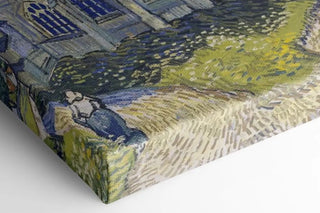
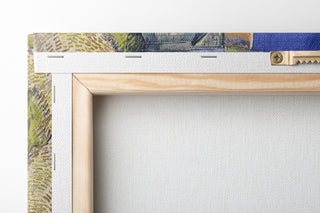
View from behind
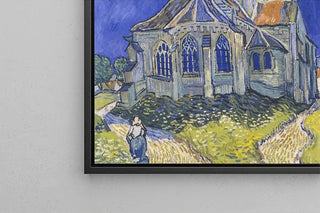
Frame (optional)
In the rich panorama of art history, some works stand out for their ability to capture the very essence of the era in which they were created. "Mademoiselle Charlotte Sandby" by William Hamilton is one of those pieces that transcend the simple frame of a painting to become a window into the 18th century. This artwork, both delicate and evocative, immerses us in a universe where beauty and sophistication blend with the vibrant personality of its subject. Charlotte Sandby, an iconic figure of her time, is depicted with such finesse that one can almost perceive her spirit through the painting. The composition, the light, and the colors chosen by Hamilton invite the viewer to prolonged contemplation, sparking curiosity about the life and customs of the period.
Style and uniqueness of the work
The uniqueness of "Mademoiselle Charlotte Sandby" lies in how William Hamilton manages to combine striking realism with a touch of romanticism. Every detail, from the fabric of Charlotte's dress to the expression on her face, is treated with meticulous care that demonstrates the artist's exceptional talent. The colors, carefully selected, create an atmosphere that is both intimate and luminous, while Charlotte's pose, both natural and composed, reveals a self-confidence that was particularly valued at the time. Hamilton, as a portraitist, knows how to capture not only the physical appearance of his subjects but also their character and essence. This artwork does not merely depict a young woman; it tells a story, that of an era when portraiture was a means of asserting social status and personality.
The artist and his influence
William Hamilton, active at the end of the 18th century, is often regarded as one of the most talented portraitists of his time. Trained at the École des Beaux-Arts, he succeeded in establishing himself thanks to a style that combines tradition and innovation. His approach to portraiture, marked by particular attention to detail and mastery of light play, influenced many contemporary and later artists. Hamilton did not merely reproduce the appearance of his models; he sought to capture their essence, to immortalize
Painting Mademoiselle Charlotte Sandby - William Hamilton | Art print

-10% FROM €95 IN PURCHASES
-15% FROM €195 IN PURCHASES
Regular price
- Unit price
- per
Tax included.
Free shipping
€4.90 / Free shipping on orders over €39
Satisfied or Money Back
Free returns within 30 days
10-year warranty
Our prints are guaranteed for 10 years
Any questions? We are here!
by email to contact@artemlegrand.com
THE STEPS OF YOUR ORDER

STEP 1 - ORDER PLACED
Your order has been confirmed and we are starting production

STEP 2 - SHIPPING
We ship your order. We send you an email to track the progress

STEP 3 - DELIVERY
You receive your order. You can also, according to your choice, be delivered to a relay point.
Matte finish
View from behind
Frame (optional)
In the rich panorama of art history, some works stand out for their ability to capture the very essence of the era in which they were created. "Mademoiselle Charlotte Sandby" by William Hamilton is one of those pieces that transcend the simple frame of a painting to become a window into the 18th century. This artwork, both delicate and evocative, immerses us in a universe where beauty and sophistication blend with the vibrant personality of its subject. Charlotte Sandby, an iconic figure of her time, is depicted with such finesse that one can almost perceive her spirit through the painting. The composition, the light, and the colors chosen by Hamilton invite the viewer to prolonged contemplation, sparking curiosity about the life and customs of the period.
Style and uniqueness of the work
The uniqueness of "Mademoiselle Charlotte Sandby" lies in how William Hamilton manages to combine striking realism with a touch of romanticism. Every detail, from the fabric of Charlotte's dress to the expression on her face, is treated with meticulous care that demonstrates the artist's exceptional talent. The colors, carefully selected, create an atmosphere that is both intimate and luminous, while Charlotte's pose, both natural and composed, reveals a self-confidence that was particularly valued at the time. Hamilton, as a portraitist, knows how to capture not only the physical appearance of his subjects but also their character and essence. This artwork does not merely depict a young woman; it tells a story, that of an era when portraiture was a means of asserting social status and personality.
The artist and his influence
William Hamilton, active at the end of the 18th century, is often regarded as one of the most talented portraitists of his time. Trained at the École des Beaux-Arts, he succeeded in establishing himself thanks to a style that combines tradition and innovation. His approach to portraiture, marked by particular attention to detail and mastery of light play, influenced many contemporary and later artists. Hamilton did not merely reproduce the appearance of his models; he sought to capture their essence, to immortalize
12,34 €