
Painting Madame Cézanne dans un fauteuil jaune - Paul Cézanne | Art print


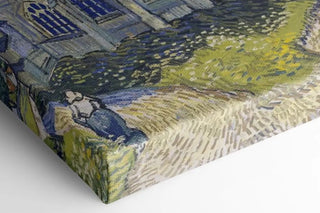
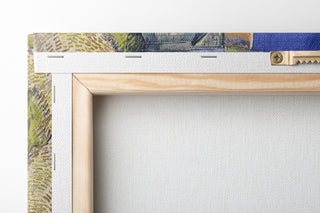
View from behind
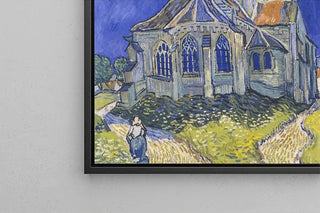
Frame (optional)
Art print Madame Cézanne dans un fauteuil jaune - Paul Cézanne – Captivating Introduction
The artwork "Madame Cézanne dans un fauteuil jaune" is an iconic piece that embodies the very essence of Paul Cézanne's work. Painted between 1890 and 1892, this canvas exudes an intimate atmosphere, where the artist manages to capture the personality of his wife, Hortense, while exploring the nuances of color and form. This painting, beyond its simple appearance, is a profound reflection on perception and representation, inviting the viewer to immerse themselves in a frozen moment of life. The soft light enveloping Hortense's face and the warm tones of the yellow armchair create a visual harmony that immediately draws the eye, making this work a true masterpiece of modern painting.
Style and uniqueness of the work
What makes "Madame Cézanne dans un fauteuil jaune" so fascinating is the way Cézanne blends figurative and abstract elements. The contours of the human figure gently merge into the color blocks, while the armchair, with its vibrant hues, almost seems to come alive. Cézanne's technique, based on bold brushstrokes and juxtaposed colors, allows for a depth and texture that give the canvas an almost tactile dimension. Shadows and lights meet in a subtle play, revealing the artist's mastery in balancing forms and colors. This work does not merely depict a scene; it evokes an emotion, an atmosphere, transforming an ordinary moment into a unique aesthetic experience.
The artist and his influence
Paul Cézanne, often regarded as a precursor of Cubism, has had an indelible influence on modern art. His innovative approach to composition and color paved the way for many 20th-century artists. By moving away from the academic conventions of his time, Cézanne was able to create a visual language that is uniquely his own, where each element of the canvas contributes to the harmonious whole. "Madame Cézanne dans un fauteuil jaune" perfectly illustrates this quest for artistic truth, where the artist does not merely seek to
Painting Madame Cézanne dans un fauteuil jaune - Paul Cézanne | Art print

-10% FROM €95 IN PURCHASES
-15% FROM €195 IN PURCHASES
Regular price
- Unit price
- per
Tax included.
Free shipping
€4.90 / Free shipping on orders over €39
Satisfied or Money Back
Free returns within 30 days
10-year warranty
Our prints are guaranteed for 10 years
Any questions? We are here!
by email to contact@artemlegrand.com
THE STEPS OF YOUR ORDER
STEP 1 - ORDER PLACED
Your order has been confirmed and we are starting production
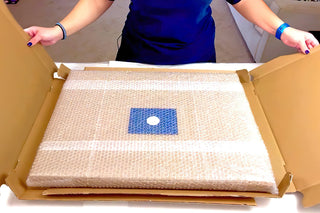
STEP 2 - SHIPPING
We ship your order. We send you an email to track the progress

STEP 3 - DELIVERY
You receive your order. You can also, according to your choice, be delivered to a relay point.
Matte finish
View from behind
Frame (optional)
Art print Madame Cézanne dans un fauteuil jaune - Paul Cézanne – Captivating Introduction
The artwork "Madame Cézanne dans un fauteuil jaune" is an iconic piece that embodies the very essence of Paul Cézanne's work. Painted between 1890 and 1892, this canvas exudes an intimate atmosphere, where the artist manages to capture the personality of his wife, Hortense, while exploring the nuances of color and form. This painting, beyond its simple appearance, is a profound reflection on perception and representation, inviting the viewer to immerse themselves in a frozen moment of life. The soft light enveloping Hortense's face and the warm tones of the yellow armchair create a visual harmony that immediately draws the eye, making this work a true masterpiece of modern painting.
Style and uniqueness of the work
What makes "Madame Cézanne dans un fauteuil jaune" so fascinating is the way Cézanne blends figurative and abstract elements. The contours of the human figure gently merge into the color blocks, while the armchair, with its vibrant hues, almost seems to come alive. Cézanne's technique, based on bold brushstrokes and juxtaposed colors, allows for a depth and texture that give the canvas an almost tactile dimension. Shadows and lights meet in a subtle play, revealing the artist's mastery in balancing forms and colors. This work does not merely depict a scene; it evokes an emotion, an atmosphere, transforming an ordinary moment into a unique aesthetic experience.
The artist and his influence
Paul Cézanne, often regarded as a precursor of Cubism, has had an indelible influence on modern art. His innovative approach to composition and color paved the way for many 20th-century artists. By moving away from the academic conventions of his time, Cézanne was able to create a visual language that is uniquely his own, where each element of the canvas contributes to the harmonious whole. "Madame Cézanne dans un fauteuil jaune" perfectly illustrates this quest for artistic truth, where the artist does not merely seek to
12,34 €