
Louise de Brandebourg-Schwedt - Johann Friedrich August Tischbein Art print


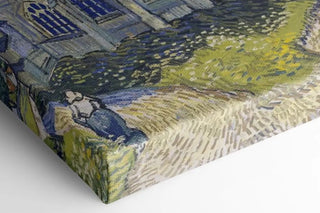
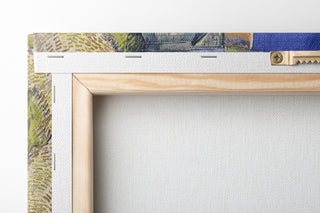
View from behind
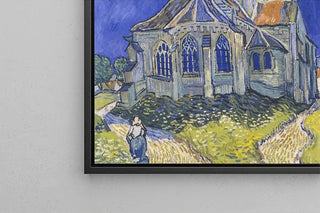
Frame (optional)
Reproduction Louise de Brandebourg-Schwedt - Johann Friedrich August Tischbein – Introduction captivante
The art print "Louise de Brandebourg-Schwedt" by Johann Friedrich August Tischbein is an iconic piece that captures the essence of nobility in the 18th century. This canvas, created with remarkable finesse, is much more than a simple portrait; it is a window into an era where art and power intertwined harmoniously. Louise, the central figure of this composition, embodies grace and elegance, while reflecting the values and aspirations of her time. By exploring this work, the viewer is transported into a world of refinement and sophistication, where every detail matters and where the personal history of the model blends with that of a bygone era.
Style and uniqueness of the work
Tischbein's style is distinguished by its realistic approach and its ability to render textures and nuances of flesh with astonishing precision. In "Louise de Brandebourg-Schwedt," light plays a crucial role, illuminating the noble's face with a softness that highlights her beauty. The drapery of her dress, carefully crafted, reveals technical mastery that demonstrates the artist's skill. Every fold, every reflection of light on the fabric, contributes to the composition's dynamism. The background, meanwhile, is subtly blurred, allowing the viewer to focus on the central figure. This work stands out for its balance between faithful representation and idealization, a characteristic trait of the emerging neoclassicism, where the artist aims not only to depict reality but also to celebrate timeless beauty.
The artist and his influence
Johann Friedrich August Tischbein, active at the end of the 18th century, is often regarded as a precursor to Romantic art in Germany. Trained within the artistic circles of the time, he absorbed Italian influences while developing a unique style that allowed him to stand out. Tischbein had the opportunity to work for royal courts and aristocrats, which granted him a privileged status in the art world. His approach to portraiture, blending realism and idealization, paved the way for many artists who followed
Louise de Brandebourg-Schwedt - Johann Friedrich August Tischbein Art print

-10% FROM €95 IN PURCHASES
-15% FROM €195 IN PURCHASES
Regular price
- Unit price
- per
Tax included.
Free shipping
€4.90 / Free shipping on orders over €39
Satisfied or Money Back
Free returns within 30 days
10-year warranty
Our prints are guaranteed for 10 years
Any questions? We are here!
by email to contact@artemlegrand.com
THE STEPS OF YOUR ORDER

STEP 1 - ORDER PLACED
Your order has been confirmed and we are starting production
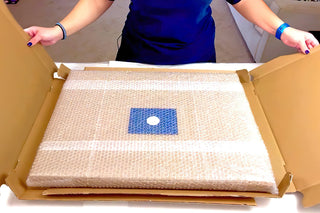
STEP 2 - SHIPPING
We ship your order. We send you an email to track the progress

STEP 3 - DELIVERY
You receive your order. You can also, according to your choice, be delivered to a relay point.
Matte finish
View from behind
Frame (optional)
Reproduction Louise de Brandebourg-Schwedt - Johann Friedrich August Tischbein – Introduction captivante
The art print "Louise de Brandebourg-Schwedt" by Johann Friedrich August Tischbein is an iconic piece that captures the essence of nobility in the 18th century. This canvas, created with remarkable finesse, is much more than a simple portrait; it is a window into an era where art and power intertwined harmoniously. Louise, the central figure of this composition, embodies grace and elegance, while reflecting the values and aspirations of her time. By exploring this work, the viewer is transported into a world of refinement and sophistication, where every detail matters and where the personal history of the model blends with that of a bygone era.
Style and uniqueness of the work
Tischbein's style is distinguished by its realistic approach and its ability to render textures and nuances of flesh with astonishing precision. In "Louise de Brandebourg-Schwedt," light plays a crucial role, illuminating the noble's face with a softness that highlights her beauty. The drapery of her dress, carefully crafted, reveals technical mastery that demonstrates the artist's skill. Every fold, every reflection of light on the fabric, contributes to the composition's dynamism. The background, meanwhile, is subtly blurred, allowing the viewer to focus on the central figure. This work stands out for its balance between faithful representation and idealization, a characteristic trait of the emerging neoclassicism, where the artist aims not only to depict reality but also to celebrate timeless beauty.
The artist and his influence
Johann Friedrich August Tischbein, active at the end of the 18th century, is often regarded as a precursor to Romantic art in Germany. Trained within the artistic circles of the time, he absorbed Italian influences while developing a unique style that allowed him to stand out. Tischbein had the opportunity to work for royal courts and aristocrats, which granted him a privileged status in the art world. His approach to portraiture, blending realism and idealization, paved the way for many artists who followed
12,34 €