
Painting Louise-Marie-Jeanne Hersent - Louise Adélaïde Desnos | Art print


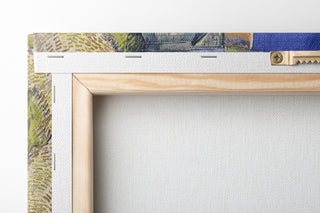
View from behind
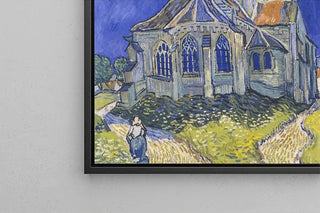
Frame (optional)
Reproduction Louise-Marie-Jeanne Hersent - Louise Adélaïde Desnos – Captivating Introduction
The canvas "Louise Adélaïde Desnos," created by Louise-Marie-Jeanne Hersent, embodies a fascinating encounter between art and femininity in the early 19th century. This artwork, depicting a young woman in an elegant and contemplative pose, evokes not only aesthetic beauty but also the psychological depth of the subject. The portrayal of Louise Adélaïde, a figure of the society of her time, transports us into a universe where art becomes the reflection of the values and aspirations of a rapidly changing era. By contemplating this piece, the viewer is invited to explore the subtleties of the human soul, while immersing themselves in the stylistic influences that marked Hersent's artistic journey.
Style and uniqueness of the work
Louise-Marie-Jeanne Hersent's style is distinguished by remarkable delicacy and meticulous attention to detail. In "Louise Adélaïde Desnos," the artist manages to capture light in a way that gives the model's skin an almost ethereal luminosity. The drapery of the clothing, carefully painted, reveals technical mastery that reflects the influence of great masters of the past, while incorporating a sensitivity unique to her era. Hersent skillfully plays with colors, creating a subtle contrast between soft tones and shadows. This approach gives the artwork an intimate, almost contemplative atmosphere, where the viewer's gaze is drawn to the delicate expression of Louise Adélaïde's face. This stylistic choice, blending classicism and romanticism, makes this piece an emblematic example of how artists of her time sought to redefine female representation.
The artist and her influence
Louise-Marie-Jeanne Hersent, an emblematic figure of French art, successfully established herself in an artistic environment dominated by men. Born in 1770, she benefited from solid training with renowned painters, which allowed her to develop a unique style that is her own. Her career, marked by portraits of women and scenes of daily life, testifies to a commitment to the representation of femininity in all its forms
Painting Louise-Marie-Jeanne Hersent - Louise Adélaïde Desnos | Art print

-10% FROM €95 IN PURCHASES
-15% FROM €195 IN PURCHASES
Regular price
- Unit price
- per
Tax included.
Free shipping
€4.90 / Free shipping on orders over €39
Satisfied or Money Back
Free returns within 30 days
10-year warranty
Our prints are guaranteed for 10 years
Any questions? We are here!
by email to contact@artemlegrand.com
THE STEPS OF YOUR ORDER
STEP 1 - ORDER PLACED
Your order has been confirmed and we are starting production
STEP 2 - SHIPPING
We ship your order. We send you an email to track the progress

STEP 3 - DELIVERY
You receive your order. You can also, according to your choice, be delivered to a relay point.
Matte finish
View from behind
Frame (optional)
Reproduction Louise-Marie-Jeanne Hersent - Louise Adélaïde Desnos – Captivating Introduction
The canvas "Louise Adélaïde Desnos," created by Louise-Marie-Jeanne Hersent, embodies a fascinating encounter between art and femininity in the early 19th century. This artwork, depicting a young woman in an elegant and contemplative pose, evokes not only aesthetic beauty but also the psychological depth of the subject. The portrayal of Louise Adélaïde, a figure of the society of her time, transports us into a universe where art becomes the reflection of the values and aspirations of a rapidly changing era. By contemplating this piece, the viewer is invited to explore the subtleties of the human soul, while immersing themselves in the stylistic influences that marked Hersent's artistic journey.
Style and uniqueness of the work
Louise-Marie-Jeanne Hersent's style is distinguished by remarkable delicacy and meticulous attention to detail. In "Louise Adélaïde Desnos," the artist manages to capture light in a way that gives the model's skin an almost ethereal luminosity. The drapery of the clothing, carefully painted, reveals technical mastery that reflects the influence of great masters of the past, while incorporating a sensitivity unique to her era. Hersent skillfully plays with colors, creating a subtle contrast between soft tones and shadows. This approach gives the artwork an intimate, almost contemplative atmosphere, where the viewer's gaze is drawn to the delicate expression of Louise Adélaïde's face. This stylistic choice, blending classicism and romanticism, makes this piece an emblematic example of how artists of her time sought to redefine female representation.
The artist and her influence
Louise-Marie-Jeanne Hersent, an emblematic figure of French art, successfully established herself in an artistic environment dominated by men. Born in 1770, she benefited from solid training with renowned painters, which allowed her to develop a unique style that is her own. Her career, marked by portraits of women and scenes of daily life, testifies to a commitment to the representation of femininity in all its forms
12,34 €