
Art print Lou, the baker's servant, fell asleep in front of the house in the sun - Pieter Christoffel Wonder


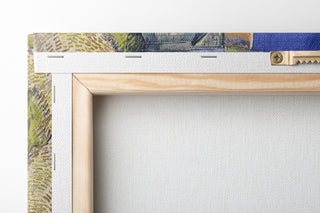
View from behind
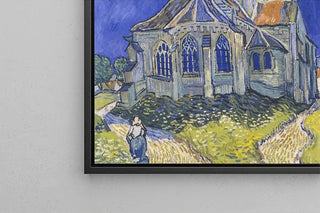
Frame (optional)
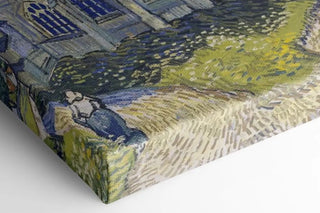
In the captivating landscape of 19th-century Dutch art, the art print "Lou, the baker's servant, fell asleep in front of the house in the sun" by Pieter Christoffel Wonder stands out for its delicacy and poetry. This painting, which captures a moment of tranquility, evokes the sweetness of a sunny day, where daily life blends with contemplation. The central character, Lou, is depicted in a resting posture, symbolizing both the innocence of youth and the simplicity of rural life. Through this work, the artist invites us to share a suspended moment, where time seems to stand still, and where the beauty of everyday life reveals itself in all its splendor.
Style and uniqueness of the work
The uniqueness of this art print lies in the mastery of light and color, characteristic of Wonder's style. The golden nuances of the sun caress Lou's skin, while soft shadows create an intimate and warm atmosphere. The meticulous details, from the textures of clothing to the leaves of trees, testify to a careful attention to every element of the composition. This realistic, almost photographic approach allows the viewer to feel the warmth of the sun and the serenity of the moment. Furthermore, the balanced composition, with Lou placed in the foreground and the house in the background, guides the eye and enhances the sense of depth. The art print presents itself as a celebration of simple life, where each detail contributes to the harmony of the whole.
The artist and his influence
Pieter Christoffel Wonder, born in 1820 in Amsterdam, is a painter whose work is rooted in the realism movement. Influenced by the great masters of Dutch painting, he is distinguished by his ability to capture everyday life with rare sensitivity. His work, although less known than that of his contemporaries, deserves to be rediscovered for its richness and authenticity. Wonder often focuses on scenes of rural life, depicting simple characters in moments of pause and reflection. This humanist approach, which highlights the dignity of workers
Art print Lou, the baker's servant, fell asleep in front of the house in the sun - Pieter Christoffel Wonder

-10% FROM €95 IN PURCHASES
-15% FROM €195 IN PURCHASES
Regular price
- Unit price
- per
Tax included.
Free shipping
€4.90 / Free shipping on orders over €39
Satisfied or Money Back
Free returns within 30 days
10-year warranty
Our prints are guaranteed for 10 years
Any questions? We are here!
by email to contact@artemlegrand.com
THE STEPS OF YOUR ORDER

STEP 1 - ORDER PLACED
Your order has been confirmed and we are starting production
STEP 2 - SHIPPING
We ship your order. We send you an email to track the progress

STEP 3 - DELIVERY
You receive your order. You can also, according to your choice, be delivered to a relay point.
Matte finish
View from behind
Frame (optional)
In the captivating landscape of 19th-century Dutch art, the art print "Lou, the baker's servant, fell asleep in front of the house in the sun" by Pieter Christoffel Wonder stands out for its delicacy and poetry. This painting, which captures a moment of tranquility, evokes the sweetness of a sunny day, where daily life blends with contemplation. The central character, Lou, is depicted in a resting posture, symbolizing both the innocence of youth and the simplicity of rural life. Through this work, the artist invites us to share a suspended moment, where time seems to stand still, and where the beauty of everyday life reveals itself in all its splendor.
Style and uniqueness of the work
The uniqueness of this art print lies in the mastery of light and color, characteristic of Wonder's style. The golden nuances of the sun caress Lou's skin, while soft shadows create an intimate and warm atmosphere. The meticulous details, from the textures of clothing to the leaves of trees, testify to a careful attention to every element of the composition. This realistic, almost photographic approach allows the viewer to feel the warmth of the sun and the serenity of the moment. Furthermore, the balanced composition, with Lou placed in the foreground and the house in the background, guides the eye and enhances the sense of depth. The art print presents itself as a celebration of simple life, where each detail contributes to the harmony of the whole.
The artist and his influence
Pieter Christoffel Wonder, born in 1820 in Amsterdam, is a painter whose work is rooted in the realism movement. Influenced by the great masters of Dutch painting, he is distinguished by his ability to capture everyday life with rare sensitivity. His work, although less known than that of his contemporaries, deserves to be rediscovered for its richness and authenticity. Wonder often focuses on scenes of rural life, depicting simple characters in moments of pause and reflection. This humanist approach, which highlights the dignity of workers
12,34 €