
Painting A little boy - Christian Krohg | Art print


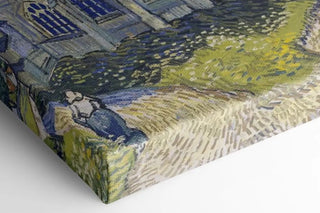
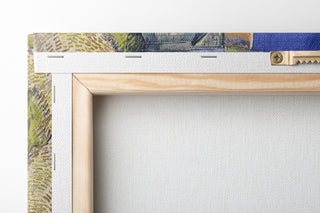
View from behind
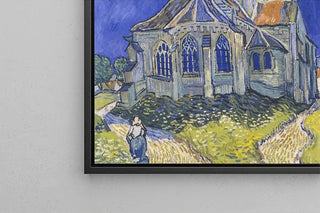
Frame (optional)
In the fascinating universe of art, some works manage to capture the very essence of childhood with rare delicacy. "A Little Boy - Christian Krohg" is one of those creations that, through its realism and emotion, transports the viewer into a world of tenderness and nostalgia. This piece, painted at the end of the 19th century, bears witness to an era when the depiction of children held a prominent place in artistic discourse. Through the innocent gaze of the little boy, Krohg invites us to rediscover the beauty of simple moments, to appreciate the purity of feelings, and to reflect on the fragility of childhood.
Style and uniqueness of the work
Christian Krohg's style is distinguished by his ability to combine realism and emotion. In "A Little Boy," every detail is carefully considered, from the delicate features of the face to the soft colors that envelop the scene. The artist uses a palette of warm tones, creating an intimate atmosphere that seems to invite the viewer to immerse themselves in the frozen moment. The gaze of the young boy, both curious and contemplative, becomes a mirror of our own childhood memories. Krohg manages to capture this duality between innocence and melancholy, making the work all the more poignant. The composition, both simple and evocative, reflects technical mastery that attests to the undeniable talent of the artist. Every brushstroke appears charged with palpable emotion, making this piece a true masterpiece.
The artist and his influence
Christian Krohg, an emblematic figure of the Norwegian realist movement, knew how to leave his mark on his era through his artistic and social engagement. Native of Oslo, he was influenced by the great European masters but developed a style that is uniquely his own. His work is not limited to mere representation; it is often laden with social and political messages. Krohg was a passionate advocate for children's rights and used his art to denounce the injustices of his time. His portraits of children, including "A Little Boy," are more than simple representations; they are poignant testimonies of the human condition. The influence of
Painting A little boy - Christian Krohg | Art print

-10% FROM €95 IN PURCHASES
-15% FROM €195 IN PURCHASES
Regular price
- Unit price
- per
Free shipping
€4.90 / Free shipping on orders over €39
Satisfied or Money Back
Free returns within 30 days
10-year warranty
Our prints are guaranteed for 10 years
Any questions? We are here!
by email to contact@artemlegrand.com
THE STEPS OF YOUR ORDER

STEP 1 - ORDER PLACED
Your order has been confirmed and we are starting production
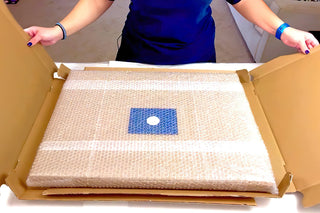
STEP 2 - SHIPPING
We ship your order. We send you an email to track the progress

STEP 3 - DELIVERY
You receive your order. You can also, according to your choice, be delivered to a relay point.
Matte finish
View from behind
Frame (optional)
In the fascinating universe of art, some works manage to capture the very essence of childhood with rare delicacy. "A Little Boy - Christian Krohg" is one of those creations that, through its realism and emotion, transports the viewer into a world of tenderness and nostalgia. This piece, painted at the end of the 19th century, bears witness to an era when the depiction of children held a prominent place in artistic discourse. Through the innocent gaze of the little boy, Krohg invites us to rediscover the beauty of simple moments, to appreciate the purity of feelings, and to reflect on the fragility of childhood.
Style and uniqueness of the work
Christian Krohg's style is distinguished by his ability to combine realism and emotion. In "A Little Boy," every detail is carefully considered, from the delicate features of the face to the soft colors that envelop the scene. The artist uses a palette of warm tones, creating an intimate atmosphere that seems to invite the viewer to immerse themselves in the frozen moment. The gaze of the young boy, both curious and contemplative, becomes a mirror of our own childhood memories. Krohg manages to capture this duality between innocence and melancholy, making the work all the more poignant. The composition, both simple and evocative, reflects technical mastery that attests to the undeniable talent of the artist. Every brushstroke appears charged with palpable emotion, making this piece a true masterpiece.
The artist and his influence
Christian Krohg, an emblematic figure of the Norwegian realist movement, knew how to leave his mark on his era through his artistic and social engagement. Native of Oslo, he was influenced by the great European masters but developed a style that is uniquely his own. His work is not limited to mere representation; it is often laden with social and political messages. Krohg was a passionate advocate for children's rights and used his art to denounce the injustices of his time. His portraits of children, including "A Little Boy," are more than simple representations; they are poignant testimonies of the human condition. The influence of