
Painting L'étal du marché - Henry Charles Bryant


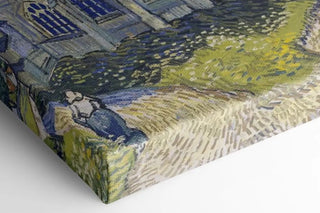
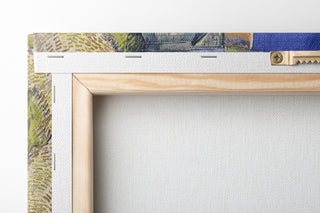
View from behind
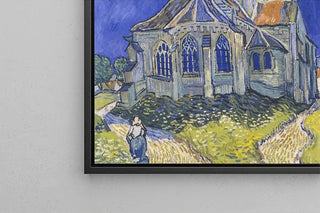
Frame (optional)
Dive into the vibrant world of the market, "L'étal du marché" by Henry Charles Bryant invites us to a sensory exploration of colors and shapes. This artwork, a true living tableau, captures the very essence of daily life in the 19th century, where scenes of commerce reflected a society in full transformation. The characters, dressed in period costumes, interact in an animated ballet, while the fresh, colorful products on display are generously spread out. The artist succeeds in immortalizing a fleeting moment, making this scene a precious testimony of urban life of his time. Through this art print, the work transports us to an era where the market was the beating heart of the community, a place of exchanges and encounters.
Style and uniqueness of the work
Bryant's style is distinguished by a realistic approach, where detail is king. Every element of the scene is carefully observed, from the textures of fruits and vegetables to facial expressions. Light plays a crucial role, illuminating certain aspects of the stall while casting others into shadow, thus creating depth and dynamism that captivate the eye. The color palette, both rich and nuanced, evokes a warm and welcoming atmosphere. The artist manages to balance movement and tranquility, offering the viewer a moment of contemplative pause amid this bustling marketplace. The composition, although busy, is harmonious, with each character occupying a thoughtful space that contributes to the whole. This attention to detail and sense of balance make "L'étal du marché" an iconic work of its time.
The artist and his influence
Henry Charles Bryant, an emblematic figure of his era, knew how to establish himself in the art world thanks to his ability to capture daily life with a unique sensitivity. Trained in the best academies, he was influenced by the great masters of realism but developed a style that is his own, combining meticulous observation and palpable emotion. His work bears witness to a transitional period, when industrialization was beginning to transform the social and economic landscape. Bryant, through his attentive gaze, reminds us of the importance of small things, of interactions
Painting L'étal du marché - Henry Charles Bryant

-10% FROM €95 IN PURCHASES
-15% FROM €195 IN PURCHASES
Regular price
- Unit price
- per
Tax included.
Free shipping
€4.90 / Free shipping on orders over €39
Satisfied or Money Back
Free returns within 30 days
10-year warranty
Our prints are guaranteed for 10 years
Any questions? We are here!
by email to contact@artemlegrand.com
THE STEPS OF YOUR ORDER

STEP 1 - ORDER PLACED
Your order has been confirmed and we are starting production
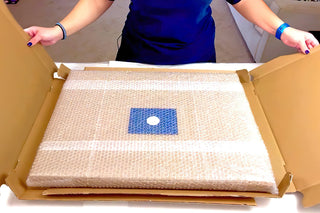
STEP 2 - SHIPPING
We ship your order. We send you an email to track the progress

STEP 3 - DELIVERY
You receive your order. You can also, according to your choice, be delivered to a relay point.
Matte finish
View from behind
Frame (optional)
Dive into the vibrant world of the market, "L'étal du marché" by Henry Charles Bryant invites us to a sensory exploration of colors and shapes. This artwork, a true living tableau, captures the very essence of daily life in the 19th century, where scenes of commerce reflected a society in full transformation. The characters, dressed in period costumes, interact in an animated ballet, while the fresh, colorful products on display are generously spread out. The artist succeeds in immortalizing a fleeting moment, making this scene a precious testimony of urban life of his time. Through this art print, the work transports us to an era where the market was the beating heart of the community, a place of exchanges and encounters.
Style and uniqueness of the work
Bryant's style is distinguished by a realistic approach, where detail is king. Every element of the scene is carefully observed, from the textures of fruits and vegetables to facial expressions. Light plays a crucial role, illuminating certain aspects of the stall while casting others into shadow, thus creating depth and dynamism that captivate the eye. The color palette, both rich and nuanced, evokes a warm and welcoming atmosphere. The artist manages to balance movement and tranquility, offering the viewer a moment of contemplative pause amid this bustling marketplace. The composition, although busy, is harmonious, with each character occupying a thoughtful space that contributes to the whole. This attention to detail and sense of balance make "L'étal du marché" an iconic work of its time.
The artist and his influence
Henry Charles Bryant, an emblematic figure of his era, knew how to establish himself in the art world thanks to his ability to capture daily life with a unique sensitivity. Trained in the best academies, he was influenced by the great masters of realism but developed a style that is his own, combining meticulous observation and palpable emotion. His work bears witness to a transitional period, when industrialization was beginning to transform the social and economic landscape. Bryant, through his attentive gaze, reminds us of the importance of small things, of interactions
12,34 €