
Painting Landscape with Temple Ruin - Jurriaan Andriessen | Art print


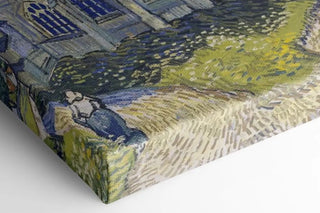
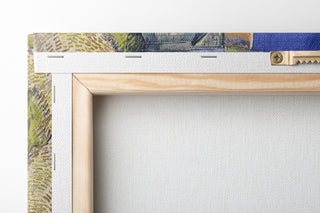
View from behind
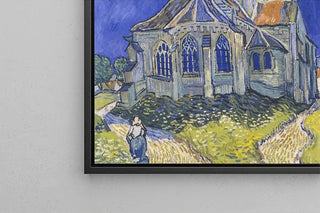
Frame (optional)
In the vast panorama of art history, some works manage to capture the very essence of their era while transcending the limits of time. "Landscape with Temple Ruins" by Jurriaan Andriessen is undoubtedly one of these iconic pieces. This painting, where nature and architecture meet in delicate harmony, evokes a world where the past and present coexist. The scene depicts a majestic ruin, a remnant of an ancient temple, standing proudly amidst a lush landscape, inviting the viewer to ponder the stories buried beneath the layers of time. The soft light bathing the canvas, along with the carefully coordinated shades of color, creates an atmosphere of serenity and contemplation, conducive to escape.
Style and uniqueness of the work
Jurriaan Andriessen's style is distinguished by his meticulous approach to landscape, where every detail seems loaded with meaning. In "Landscape with Temple Ruins," the composition is carefully orchestrated, with natural and architectural elements intertwining with remarkable fluidity. Earth tones and vibrant greens blend to give life to a painting that breathes tranquility. The ruins, although symbolizing the passage of time, are presented with an almost romantic beauty, suggesting that nature, despite its ravages, always manages to restore balance. This work invites deep reflection on the relationship between humans and their environment, while celebrating the intrinsic beauty of the landscapes that surround us.
The artist and his influence
Jurriaan Andriessen, a Dutch painter of the 17th century, is often associated with the landscape painting school that emerged in the United Provinces. Influenced by his contemporaries, he developed a style that is uniquely his own, blending realism and idealization. His works demonstrate a meticulous observation of nature, while incorporating historical and mythological elements. Andriessen captured the spirit of his time, while anticipating future developments in landscape art. His influence extends beyond his contemporaries,
Painting Landscape with Temple Ruin - Jurriaan Andriessen | Art print

-10% FROM €95 IN PURCHASES
-15% FROM €195 IN PURCHASES
Regular price
- Unit price
- per
Tax included.
Free shipping
€4.90 / Free shipping on orders over €39
Satisfied or Money Back
Free returns within 30 days
10-year warranty
Our prints are guaranteed for 10 years
Any questions? We are here!
by email to contact@artemlegrand.com
THE STEPS OF YOUR ORDER

STEP 1 - ORDER PLACED
Your order has been confirmed and we are starting production

STEP 2 - SHIPPING
We ship your order. We send you an email to track the progress

STEP 3 - DELIVERY
You receive your order. You can also, according to your choice, be delivered to a relay point.
Matte finish
View from behind
Frame (optional)
In the vast panorama of art history, some works manage to capture the very essence of their era while transcending the limits of time. "Landscape with Temple Ruins" by Jurriaan Andriessen is undoubtedly one of these iconic pieces. This painting, where nature and architecture meet in delicate harmony, evokes a world where the past and present coexist. The scene depicts a majestic ruin, a remnant of an ancient temple, standing proudly amidst a lush landscape, inviting the viewer to ponder the stories buried beneath the layers of time. The soft light bathing the canvas, along with the carefully coordinated shades of color, creates an atmosphere of serenity and contemplation, conducive to escape.
Style and uniqueness of the work
Jurriaan Andriessen's style is distinguished by his meticulous approach to landscape, where every detail seems loaded with meaning. In "Landscape with Temple Ruins," the composition is carefully orchestrated, with natural and architectural elements intertwining with remarkable fluidity. Earth tones and vibrant greens blend to give life to a painting that breathes tranquility. The ruins, although symbolizing the passage of time, are presented with an almost romantic beauty, suggesting that nature, despite its ravages, always manages to restore balance. This work invites deep reflection on the relationship between humans and their environment, while celebrating the intrinsic beauty of the landscapes that surround us.
The artist and his influence
Jurriaan Andriessen, a Dutch painter of the 17th century, is often associated with the landscape painting school that emerged in the United Provinces. Influenced by his contemporaries, he developed a style that is uniquely his own, blending realism and idealization. His works demonstrate a meticulous observation of nature, while incorporating historical and mythological elements. Andriessen captured the spirit of his time, while anticipating future developments in landscape art. His influence extends beyond his contemporaries,
12,34 €