
Painting Lamentation of Christ - Joos van Cleve | Art print


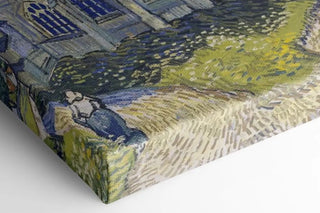
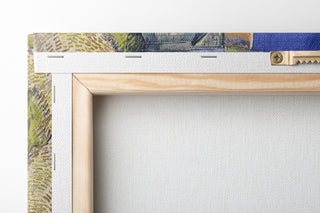
View from behind
Frame (optional)
The "Lamentation of Christ" by Joos van Cleve is a masterpiece that immerses the viewer in an atmosphere filled with melancholy and devotion. Created in the early 16th century, this painting embodies the spiritual and emotional concerns of its time. As you contemplate it, you immediately feel the intensity of the drama unfolding, with Christ's body, inert and wounded, surrounded by grieving figures. Each face, each gesture conveys profound pain, inviting the viewer to linger on the meticulous details that compose this tragic scene. The work stands out for its ability to evoke universal feelings, transcending eras and cultures.
Style and uniqueness of the work
Joos van Cleve's style is characterized by remarkable finesse and scrupulous attention to detail. In the "Lamentation of Christ," the colors are both rich and nuanced, creating a striking contrast between light and shadow. This skillful use of light highlights the expressions of the characters, making their pain palpable. The drapery of the garments, meticulously rendered, adds a tactile dimension to the composition, inviting the viewer to feel the texture of the fabrics. The faces, for their part, are imbued with an expressiveness that transcends simple features, revealing rare emotional depth. Joos van Cleve thus manages to capture not only the moment but also the very essence of human suffering, creating a work that resonates deeply.
The artist and his influence
Joos van Cleve, a Flemish Renaissance painter, is often regarded as one of the masters of his time. Trained in the wake of the great masters of Flemish painting, he developed a style that combines tradition and innovation. His work is distinguished by a humanist approach, placing man and his emotions at the heart of his compositions. Van Cleve also had a significant influence on his contemporaries and subsequent generations, notably through his use of color and light. His work contributed to the evolution of religious painting, marking a transition towards more intimate and emotional depictions of biblical scenes.
Painting Lamentation of Christ - Joos van Cleve | Art print

-10% FROM €95 IN PURCHASES
-15% FROM €195 IN PURCHASES
Regular price
- Unit price
- per
Tax included.
Free shipping
€4.90 / Free shipping on orders over €39
Satisfied or Money Back
Free returns within 30 days
10-year warranty
Our prints are guaranteed for 10 years
Any questions? We are here!
by email to contact@artemlegrand.com
THE STEPS OF YOUR ORDER

STEP 1 - ORDER PLACED
Your order has been confirmed and we are starting production

STEP 2 - SHIPPING
We ship your order. We send you an email to track the progress

STEP 3 - DELIVERY
You receive your order. You can also, according to your choice, be delivered to a relay point.
Matte finish
View from behind
Frame (optional)
The "Lamentation of Christ" by Joos van Cleve is a masterpiece that immerses the viewer in an atmosphere filled with melancholy and devotion. Created in the early 16th century, this painting embodies the spiritual and emotional concerns of its time. As you contemplate it, you immediately feel the intensity of the drama unfolding, with Christ's body, inert and wounded, surrounded by grieving figures. Each face, each gesture conveys profound pain, inviting the viewer to linger on the meticulous details that compose this tragic scene. The work stands out for its ability to evoke universal feelings, transcending eras and cultures.
Style and uniqueness of the work
Joos van Cleve's style is characterized by remarkable finesse and scrupulous attention to detail. In the "Lamentation of Christ," the colors are both rich and nuanced, creating a striking contrast between light and shadow. This skillful use of light highlights the expressions of the characters, making their pain palpable. The drapery of the garments, meticulously rendered, adds a tactile dimension to the composition, inviting the viewer to feel the texture of the fabrics. The faces, for their part, are imbued with an expressiveness that transcends simple features, revealing rare emotional depth. Joos van Cleve thus manages to capture not only the moment but also the very essence of human suffering, creating a work that resonates deeply.
The artist and his influence
Joos van Cleve, a Flemish Renaissance painter, is often regarded as one of the masters of his time. Trained in the wake of the great masters of Flemish painting, he developed a style that combines tradition and innovation. His work is distinguished by a humanist approach, placing man and his emotions at the heart of his compositions. Van Cleve also had a significant influence on his contemporaries and subsequent generations, notably through his use of color and light. His work contributed to the evolution of religious painting, marking a transition towards more intimate and emotional depictions of biblical scenes.
12,34 €