
Painting Lady Williams and her child - Ralph Earl | Art print


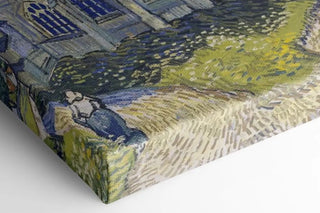
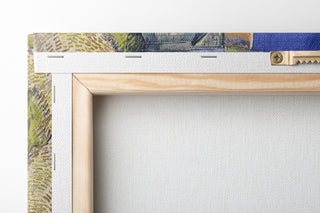
View from behind
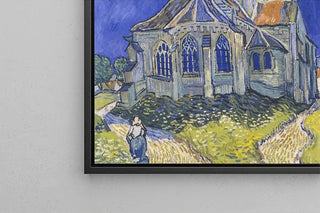
Frame (optional)
Lady Williams and her child - Ralph Earl – Engaging introduction
In the vast panorama of art history, certain works stand out for their ability to capture the essence of humanity, evoke deep emotions, and tell silent stories. "Lady Williams and her child" by Ralph Earl is one such piece. Painted at the end of the 18th century, this canvas depicts a mother and her child in touching intimacy, revealing not only the affection that unites them but also a reflection of the social and cultural values of the time. Through this work, Earl does not merely depict a family scene; he immortalizes a moment of tenderness and serenity, while offering a glimpse into the aristocratic life of his era.
Style and uniqueness of the work
Ralph Earl's style is characterized by fine execution and meticulous attention to detail. In "Lady Williams and her child," the composition is carefully balanced, with soft colors enveloping the characters in a warm atmosphere. The drapery of the clothing, the gentleness of the features, and the radiance of the faces testify to undeniable technical mastery. Earl uses light subtly, illuminating the faces while creating delicate shadows that add depth to the scene. The mother's posture, protective and caring, along with the curious gaze of the child, transform this painting into a true hymn to motherhood. It is this ability to fuse technique and emotion that makes this work a timeless masterpiece.
The artist and his influence
Ralph Earl, an American painter active mainly in England, managed to establish himself in the art world of his time thanks to his innovative approach and sensitivity. Trained in the wake of the great European masters, he integrated elements of neoclassicism while developing a personal style that is uniquely his own. Earl was a pioneer in portraiture, highlighting the psychology of his subjects with a depth rarely achieved. His influence extends beyond his era, inspiring many artists who sought to capture the human soul through portraiture. By choosing to explore themes such as motherhood and family, he opened
Painting Lady Williams and her child - Ralph Earl | Art print

-10% FROM €95 IN PURCHASES
-15% FROM €195 IN PURCHASES
Regular price
- Unit price
- per
Tax included.
Free shipping
€4.90 / Free shipping on orders over €39
Satisfied or Money Back
Free returns within 30 days
10-year warranty
Our prints are guaranteed for 10 years
Any questions? We are here!
by email to contact@artemlegrand.com
THE STEPS OF YOUR ORDER

STEP 1 - ORDER PLACED
Your order has been confirmed and we are starting production
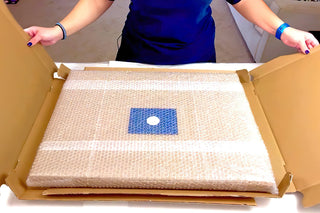
STEP 2 - SHIPPING
We ship your order. We send you an email to track the progress

STEP 3 - DELIVERY
You receive your order. You can also, according to your choice, be delivered to a relay point.
Matte finish
View from behind
Frame (optional)
Lady Williams and her child - Ralph Earl – Engaging introduction
In the vast panorama of art history, certain works stand out for their ability to capture the essence of humanity, evoke deep emotions, and tell silent stories. "Lady Williams and her child" by Ralph Earl is one such piece. Painted at the end of the 18th century, this canvas depicts a mother and her child in touching intimacy, revealing not only the affection that unites them but also a reflection of the social and cultural values of the time. Through this work, Earl does not merely depict a family scene; he immortalizes a moment of tenderness and serenity, while offering a glimpse into the aristocratic life of his era.
Style and uniqueness of the work
Ralph Earl's style is characterized by fine execution and meticulous attention to detail. In "Lady Williams and her child," the composition is carefully balanced, with soft colors enveloping the characters in a warm atmosphere. The drapery of the clothing, the gentleness of the features, and the radiance of the faces testify to undeniable technical mastery. Earl uses light subtly, illuminating the faces while creating delicate shadows that add depth to the scene. The mother's posture, protective and caring, along with the curious gaze of the child, transform this painting into a true hymn to motherhood. It is this ability to fuse technique and emotion that makes this work a timeless masterpiece.
The artist and his influence
Ralph Earl, an American painter active mainly in England, managed to establish himself in the art world of his time thanks to his innovative approach and sensitivity. Trained in the wake of the great European masters, he integrated elements of neoclassicism while developing a personal style that is uniquely his own. Earl was a pioneer in portraiture, highlighting the psychology of his subjects with a depth rarely achieved. His influence extends beyond his era, inspiring many artists who sought to capture the human soul through portraiture. By choosing to explore themes such as motherhood and family, he opened
12,34 €