
Painting Koe Bos taureau Koe Vacca Vache - Anselmus Botius de Boodt | Art print


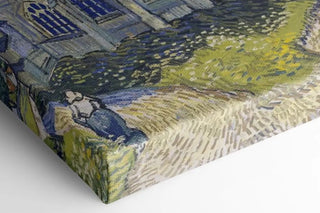
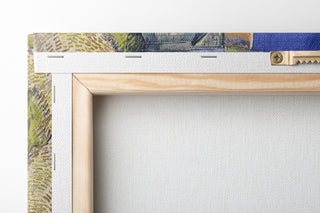
View from behind
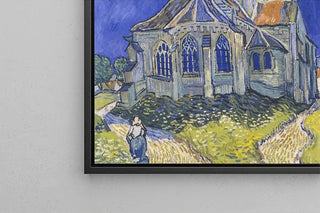
Frame (optional)
Reproduction Koe Bos taureau Koe Vacca Vache - Anselmus Botius de Boodt – Introduction captivante
The artwork "Koe Bos taureau Koe Vacca Vache" by Anselmus Botius de Boodt is a captivating piece that immerses the viewer in the pastoral universe of the 17th century. This iconic representation of cattle, both majestic and delicate, bears witness to a time when agriculture and livestock farming played a prominent role in daily life. By examining this piece, one discovers not only a painting but a true historical testimony that evokes the relationship between humans and nature. Through this art print, the artist manages to capture the very essence of these animals, symbols of strength and gentleness, while offering a window into a bygone world filled with meaning and emotion.
Style and uniqueness of the work
The uniqueness of "Koe Bos taureau Koe Vacca Vache" lies in how Anselmus Botius de Boodt combines realism and idealization. The meticulous details of the fur textures, the light caressing the robust forms of the animals, as well as the harmonious composition of the painting, demonstrate exceptional craftsmanship. Botius de Boodt does not merely reproduce reality; he interprets it with a sensitivity that transcends simple realism. The colors, both vivid and natural, breathe vibrant life into the scene, inviting the viewer to immerse themselves in this bucolic depiction. This work also stands out for its soothing atmosphere, where the tranquility of the cattle seems to resonate with universal harmony, evoking peace and serenity in a rural world in symbiosis with nature.
The artist and his influence
Anselmus Botius de Boodt, Flemish painter and naturalist, left his mark on his era through his unique approach to animal painting. Trained in a rich artistic context, he was influenced by Renaissance masters while developing a style that is uniquely his own. His interest in nature and natural sciences is reflected in his works, where each animal is depicted with scientific precision and artistic sensitivity. B
Painting Koe Bos taureau Koe Vacca Vache - Anselmus Botius de Boodt | Art print

-10% FROM €95 IN PURCHASES
-15% FROM €195 IN PURCHASES
Regular price
- Unit price
- per
Free shipping
€4.90 / Free shipping on orders over €39
Satisfied or Money Back
Free returns within 30 days
10-year warranty
Our prints are guaranteed for 10 years
Any questions? We are here!
by email to contact@artemlegrand.com
THE STEPS OF YOUR ORDER

STEP 1 - ORDER PLACED
Your order has been confirmed and we are starting production
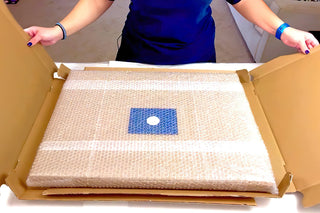
STEP 2 - SHIPPING
We ship your order. We send you an email to track the progress

STEP 3 - DELIVERY
You receive your order. You can also, according to your choice, be delivered to a relay point.
Matte finish
View from behind
Frame (optional)
Reproduction Koe Bos taureau Koe Vacca Vache - Anselmus Botius de Boodt – Introduction captivante
The artwork "Koe Bos taureau Koe Vacca Vache" by Anselmus Botius de Boodt is a captivating piece that immerses the viewer in the pastoral universe of the 17th century. This iconic representation of cattle, both majestic and delicate, bears witness to a time when agriculture and livestock farming played a prominent role in daily life. By examining this piece, one discovers not only a painting but a true historical testimony that evokes the relationship between humans and nature. Through this art print, the artist manages to capture the very essence of these animals, symbols of strength and gentleness, while offering a window into a bygone world filled with meaning and emotion.
Style and uniqueness of the work
The uniqueness of "Koe Bos taureau Koe Vacca Vache" lies in how Anselmus Botius de Boodt combines realism and idealization. The meticulous details of the fur textures, the light caressing the robust forms of the animals, as well as the harmonious composition of the painting, demonstrate exceptional craftsmanship. Botius de Boodt does not merely reproduce reality; he interprets it with a sensitivity that transcends simple realism. The colors, both vivid and natural, breathe vibrant life into the scene, inviting the viewer to immerse themselves in this bucolic depiction. This work also stands out for its soothing atmosphere, where the tranquility of the cattle seems to resonate with universal harmony, evoking peace and serenity in a rural world in symbiosis with nature.
The artist and his influence
Anselmus Botius de Boodt, Flemish painter and naturalist, left his mark on his era through his unique approach to animal painting. Trained in a rich artistic context, he was influenced by Renaissance masters while developing a style that is uniquely his own. His interest in nature and natural sciences is reflected in his works, where each animal is depicted with scientific precision and artistic sensitivity. B