
Kneeling figure painting - Oskar Schlemmer | Art print Source: Tableau Figure agenouillée - Oskar Schlemmer | Reproduction


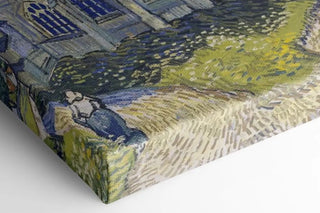
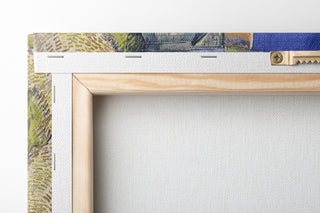
View from behind
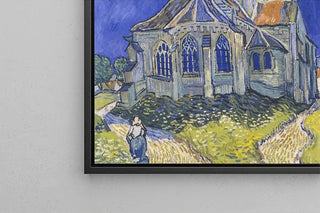
Frame (optional)
Figure kneeling - Oskar Schlemmer – Captivating introduction
In the vibrant universe of 20th-century art, the "Figure kneeling" by Oskar Schlemmer stands out for its ability to transcend mere figurative representation and delve into abstraction and symbolism. This iconic piece, created in 1928, reflects a time when art was reinventing itself, seeking to capture the very essence of human existence and its interaction with space. Contemplating this artwork, the viewer is immediately transported to a world where form and movement converge, inspiring a profound reflection on the human condition. The "Figure kneeling" thus becomes an invitation to explore the many facets of our existence, at the crossroads of art and life.
Style and uniqueness of the work
The uniqueness of "Figure kneeling" lies in how Schlemmer manipulates geometric shapes and colors to create a composition that is both harmonious and dynamic. The artist employs clean lines and simplified volumes, evoking a certain rigor while revealing a fluidity in movement. The kneeling posture of the figure, both vulnerable and powerful, questions the relationship between the body and space, while evoking universal themes such as submission, prayer, or contemplation. The chosen colors, often vivid and contrasting, contribute to the emergence of an almost theatrical atmosphere, where each element seems to play a specific role in the visual narrative. This artwork, at the crossroads between Bauhaus and expressionist movement, embodies the avant-garde spirit of its time while remaining timeless.
The artist and his influence
Oskar Schlemmer, a central figure of the Bauhaus, skillfully combined his talents as a painter, sculptor, and choreographer to create a unique artistic language. His journey, marked by an unceasing quest for harmony between man and his environment, profoundly influenced the artistic scene of his era. Schlemmer was always fascinated by movement and dance, elements he integrated into his works to express the vitality of the human being. His multidisciplinary approach paved the way for many artists who
Kneeling figure painting - Oskar Schlemmer | Art print Source: Tableau Figure agenouillée - Oskar Schlemmer | Reproduction

-10% FROM €95 IN PURCHASES
-15% FROM €195 IN PURCHASES
Regular price
- Unit price
- per
Tax included.
Free shipping
€4.90 / Free shipping on orders over €39
Satisfied or Money Back
Free returns within 30 days
10-year warranty
Our prints are guaranteed for 10 years
Any questions? We are here!
by email to contact@artemlegrand.com
THE STEPS OF YOUR ORDER
STEP 1 - ORDER PLACED
Your order has been confirmed and we are starting production
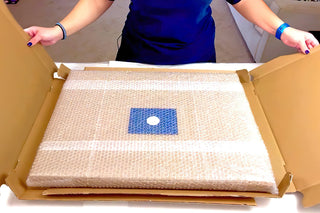
STEP 2 - SHIPPING
We ship your order. We send you an email to track the progress

STEP 3 - DELIVERY
You receive your order. You can also, according to your choice, be delivered to a relay point.
Matte finish
View from behind
Frame (optional)
Figure kneeling - Oskar Schlemmer – Captivating introduction
In the vibrant universe of 20th-century art, the "Figure kneeling" by Oskar Schlemmer stands out for its ability to transcend mere figurative representation and delve into abstraction and symbolism. This iconic piece, created in 1928, reflects a time when art was reinventing itself, seeking to capture the very essence of human existence and its interaction with space. Contemplating this artwork, the viewer is immediately transported to a world where form and movement converge, inspiring a profound reflection on the human condition. The "Figure kneeling" thus becomes an invitation to explore the many facets of our existence, at the crossroads of art and life.
Style and uniqueness of the work
The uniqueness of "Figure kneeling" lies in how Schlemmer manipulates geometric shapes and colors to create a composition that is both harmonious and dynamic. The artist employs clean lines and simplified volumes, evoking a certain rigor while revealing a fluidity in movement. The kneeling posture of the figure, both vulnerable and powerful, questions the relationship between the body and space, while evoking universal themes such as submission, prayer, or contemplation. The chosen colors, often vivid and contrasting, contribute to the emergence of an almost theatrical atmosphere, where each element seems to play a specific role in the visual narrative. This artwork, at the crossroads between Bauhaus and expressionist movement, embodies the avant-garde spirit of its time while remaining timeless.
The artist and his influence
Oskar Schlemmer, a central figure of the Bauhaus, skillfully combined his talents as a painter, sculptor, and choreographer to create a unique artistic language. His journey, marked by an unceasing quest for harmony between man and his environment, profoundly influenced the artistic scene of his era. Schlemmer was always fascinated by movement and dance, elements he integrated into his works to express the vitality of the human being. His multidisciplinary approach paved the way for many artists who
12,34 €