
Art print Karl van Cracow, Dutch minister in Elseneur - Jan Anthonisz van Ravesteyn


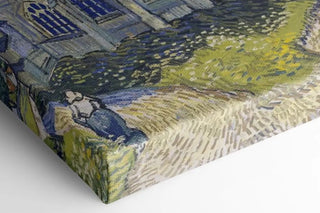
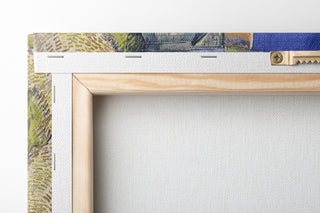
View from behind
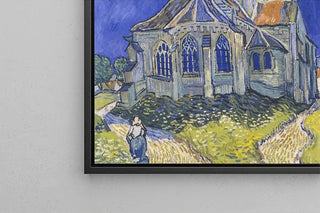
Frame (optional)
In the rich and captivating world of 17th-century Dutch art, the art print "Karl van Cracow, Dutch minister in Elsinore" by Jan Anthonisz van Ravesteyn stands out for its elegance and narrative depth. This painting, which captures a moment in political and cultural history, immerses us in the intimate atmosphere of salons where diplomatic intrigues and intellectual exchanges mingled. Through the portrait of Karl van Cracow, viewers are invited to explore not only the personality of the minister but also the historical context surrounding him, thus revealing the complexity of relations between the Netherlands and the rest of Europe at that time.
Style and uniqueness of the work
Van Ravesteyn's art print is characterized by a realistic and meticulous style, where every detail is carefully crafted to convey a sense of liveliness and authenticity. The choice of colors, often deep and rich, helps create an atmosphere that is both solemn and intimate. In this portrait, Karl van Cracow's penetrating gaze seems to address the viewer directly, establishing a connection that transcends time. The pose of the minister, upright and confident, reflects his status and authority, while the elements of his attire and the accessories surrounding him evoke his crucial role in the affairs of the period. The artist succeeds in capturing not only the physical appearance of his subject but also a part of his essence, making this art print highly evocative.
The artist and his influence
Jan Anthonisz van Ravesteyn, active in the early 17th century, is considered one of the most prolific portraitists of his time. His work is distinguished by an exceptional ability to depict his contemporaries with a precision that goes beyond simple representation. Influenced by the masters of Flemish painting, van Ravesteyn developed a distinctive style, combining realism with a certain idealization of his subjects. His impact on the Dutch artistic scene is undeniable, and his legacy endures through generations. By choosing to paint political figures and members of
Art print Karl van Cracow, Dutch minister in Elseneur - Jan Anthonisz van Ravesteyn

-10% FROM €95 IN PURCHASES
-15% FROM €195 IN PURCHASES
Regular price
- Unit price
- per
Tax included.
Free shipping
€4.90 / Free shipping on orders over €39
Satisfied or Money Back
Free returns within 30 days
10-year warranty
Our prints are guaranteed for 10 years
Any questions? We are here!
by email to contact@artemlegrand.com
THE STEPS OF YOUR ORDER
STEP 1 - ORDER PLACED
Your order has been confirmed and we are starting production
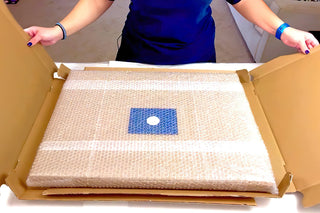
STEP 2 - SHIPPING
We ship your order. We send you an email to track the progress

STEP 3 - DELIVERY
You receive your order. You can also, according to your choice, be delivered to a relay point.
Matte finish
View from behind
Frame (optional)
In the rich and captivating world of 17th-century Dutch art, the art print "Karl van Cracow, Dutch minister in Elsinore" by Jan Anthonisz van Ravesteyn stands out for its elegance and narrative depth. This painting, which captures a moment in political and cultural history, immerses us in the intimate atmosphere of salons where diplomatic intrigues and intellectual exchanges mingled. Through the portrait of Karl van Cracow, viewers are invited to explore not only the personality of the minister but also the historical context surrounding him, thus revealing the complexity of relations between the Netherlands and the rest of Europe at that time.
Style and uniqueness of the work
Van Ravesteyn's art print is characterized by a realistic and meticulous style, where every detail is carefully crafted to convey a sense of liveliness and authenticity. The choice of colors, often deep and rich, helps create an atmosphere that is both solemn and intimate. In this portrait, Karl van Cracow's penetrating gaze seems to address the viewer directly, establishing a connection that transcends time. The pose of the minister, upright and confident, reflects his status and authority, while the elements of his attire and the accessories surrounding him evoke his crucial role in the affairs of the period. The artist succeeds in capturing not only the physical appearance of his subject but also a part of his essence, making this art print highly evocative.
The artist and his influence
Jan Anthonisz van Ravesteyn, active in the early 17th century, is considered one of the most prolific portraitists of his time. His work is distinguished by an exceptional ability to depict his contemporaries with a precision that goes beyond simple representation. Influenced by the masters of Flemish painting, van Ravesteyn developed a distinctive style, combining realism with a certain idealization of his subjects. His impact on the Dutch artistic scene is undeniable, and his legacy endures through generations. By choosing to paint political figures and members of
12,34 €