
Painting Karl Johans Torg Stockholm - Isaac Grünewald | Art print


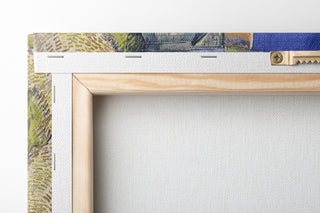
View from behind
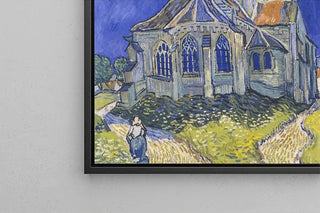
Frame (optional)
In the vibrant heart of Stockholm, the art print "Karl Johans Torg" by Isaac Grünewald captures the essence of a bygone era and a specific place. This piece, both dynamic and evocative, immerses us in the atmosphere of one of the most iconic locations in the Swedish capital. As a witness to urban life, this art print does more than depict a scene; it tells a story — that of a city in full effervescence, where passersby mingle with historic buildings. The light, colors, and shapes combine to create an almost cinematic vision of everyday life, leaving the viewer enchanted by its timeless charm.
Style and uniqueness of the work
Grünewald's style in "Karl Johans Torg" is distinguished by its bold use of colors and impressionist technique. Each brushstroke seems charged with energy, animating the characters that populate the canvas. The vibrant hues, ranging from deep blues to bright reds, convey not only the vitality of the scene but also the emotions emanating from it. The artist manages to create a delicate balance between abstraction and representation, where the form of human figures blends into a bustling urban backdrop. This innovative approach allows him to transcend the simple landscape and offer a reflection on modernity and movement — themes dear to Grünewald. Moving away from classical conventions, he invites the viewer to feel rather than observe, to immerse themselves in the lively experience of the city.
The artist and his influence
Isaac Grünewald, a prominent figure in Swedish art in the early 20th century, is often associated with the modern movement and expressionism. His artistic journey is marked by a desire to explore the contradictions of his time, between tradition and innovation. Grünewald forged a unique identity, influenced by great European masters while remaining deeply rooted in his Nordic heritage. His works, often charged with emotion, testify to a keen sensitivity to the sociocultural changes of his era. By incorporating elements of daily life into his compositions, he
Painting Karl Johans Torg Stockholm - Isaac Grünewald | Art print

-10% FROM €95 IN PURCHASES
-15% FROM €195 IN PURCHASES
Regular price
- Unit price
- per
Tax included.
Free shipping
€4.90 / Free shipping on orders over €39
Satisfied or Money Back
Free returns within 30 days
10-year warranty
Our prints are guaranteed for 10 years
Any questions? We are here!
by email to contact@artemlegrand.com
THE STEPS OF YOUR ORDER

STEP 1 - ORDER PLACED
Your order has been confirmed and we are starting production

STEP 2 - SHIPPING
We ship your order. We send you an email to track the progress

STEP 3 - DELIVERY
You receive your order. You can also, according to your choice, be delivered to a relay point.
Matte finish
View from behind
Frame (optional)
In the vibrant heart of Stockholm, the art print "Karl Johans Torg" by Isaac Grünewald captures the essence of a bygone era and a specific place. This piece, both dynamic and evocative, immerses us in the atmosphere of one of the most iconic locations in the Swedish capital. As a witness to urban life, this art print does more than depict a scene; it tells a story — that of a city in full effervescence, where passersby mingle with historic buildings. The light, colors, and shapes combine to create an almost cinematic vision of everyday life, leaving the viewer enchanted by its timeless charm.
Style and uniqueness of the work
Grünewald's style in "Karl Johans Torg" is distinguished by its bold use of colors and impressionist technique. Each brushstroke seems charged with energy, animating the characters that populate the canvas. The vibrant hues, ranging from deep blues to bright reds, convey not only the vitality of the scene but also the emotions emanating from it. The artist manages to create a delicate balance between abstraction and representation, where the form of human figures blends into a bustling urban backdrop. This innovative approach allows him to transcend the simple landscape and offer a reflection on modernity and movement — themes dear to Grünewald. Moving away from classical conventions, he invites the viewer to feel rather than observe, to immerse themselves in the lively experience of the city.
The artist and his influence
Isaac Grünewald, a prominent figure in Swedish art in the early 20th century, is often associated with the modern movement and expressionism. His artistic journey is marked by a desire to explore the contradictions of his time, between tradition and innovation. Grünewald forged a unique identity, influenced by great European masters while remaining deeply rooted in his Nordic heritage. His works, often charged with emotion, testify to a keen sensitivity to the sociocultural changes of his era. By incorporating elements of daily life into his compositions, he
12,34 €