
Art print Justina Johanna Ramskrammer 1702-98 Wife of Isaac Parker - Philip van Dijk


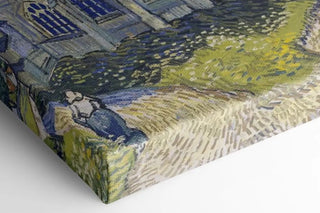
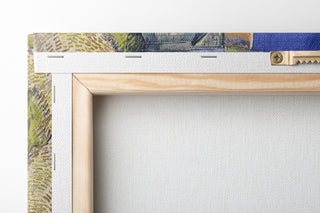
View from behind
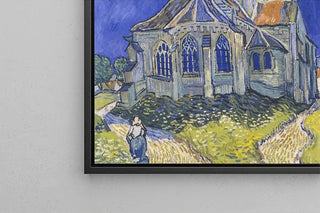
Frame (optional)
The artwork "Justina Johanna Ramskrammer 1702-98 wife of Isaac Parker" by Philip van Dijk is an iconic piece from the 18th century, delicately evoking the intimacy and dignity of a woman within the bourgeois setting of her time. This striking representation is not merely a portrait but aims to reflect an era where art and daily life intertwined harmoniously. In this piece, the artist captures the very essence of his subject, offering viewers a glimpse into the personality and social status of Justina Johanna. The delicacy of her features, the richness of the colors, and the depth of emotion are evident in every brushstroke, making this painting a centerpiece of 18th-century art collections.
Style and uniqueness of the work
Philip van Dijk's style is distinguished by a realistic and sensitive approach characteristic of portraits from his era. In "Justina Johanna Ramskrammer 1702-98 wife of Isaac Parker," the artist employs a palette of warm colors and subtle light effects to emphasize the details of her face and clothing. The composition is carefully balanced, highlighting her elegant posture and natural grace. The drapery of her dress, meticulously rendered, demonstrates exceptional craftsmanship, while the neutral background allows focus on the subject. This work also stands out for its intimate atmosphere, inviting viewers to immerse themselves in the sitter's personal universe. Van Dijk's art, both precise and imbued with sensitivity, creates a dialogue between the subject and the observer, making this painting particularly captivating.
The artist and his influence
Philip van Dijk, a Dutch painter of the 18th century, is often recognized for his ability to combine impeccable technique with artistic sensitivity. Trained in the tradition of great masters, he evolved by incorporating elements of his time, which allowed him to forge a unique identity. His work, although often rooted in realism, reflects a refined approach that elevates portraiture to a form of personal expression and social commentary.
Art print Justina Johanna Ramskrammer 1702-98 Wife of Isaac Parker - Philip van Dijk

-10% FROM €95 IN PURCHASES
-15% FROM €195 IN PURCHASES
Regular price
- Unit price
- per
Tax included.
Free shipping
€4.90 / Free shipping on orders over €39
Satisfied or Money Back
Free returns within 30 days
10-year warranty
Our prints are guaranteed for 10 years
Any questions? We are here!
by email to contact@artemlegrand.com
THE STEPS OF YOUR ORDER

STEP 1 - ORDER PLACED
Your order has been confirmed and we are starting production
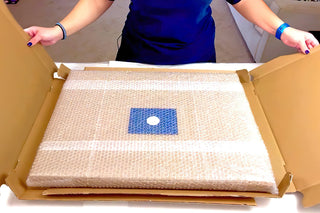
STEP 2 - SHIPPING
We ship your order. We send you an email to track the progress

STEP 3 - DELIVERY
You receive your order. You can also, according to your choice, be delivered to a relay point.
Matte finish
View from behind
Frame (optional)
The artwork "Justina Johanna Ramskrammer 1702-98 wife of Isaac Parker" by Philip van Dijk is an iconic piece from the 18th century, delicately evoking the intimacy and dignity of a woman within the bourgeois setting of her time. This striking representation is not merely a portrait but aims to reflect an era where art and daily life intertwined harmoniously. In this piece, the artist captures the very essence of his subject, offering viewers a glimpse into the personality and social status of Justina Johanna. The delicacy of her features, the richness of the colors, and the depth of emotion are evident in every brushstroke, making this painting a centerpiece of 18th-century art collections.
Style and uniqueness of the work
Philip van Dijk's style is distinguished by a realistic and sensitive approach characteristic of portraits from his era. In "Justina Johanna Ramskrammer 1702-98 wife of Isaac Parker," the artist employs a palette of warm colors and subtle light effects to emphasize the details of her face and clothing. The composition is carefully balanced, highlighting her elegant posture and natural grace. The drapery of her dress, meticulously rendered, demonstrates exceptional craftsmanship, while the neutral background allows focus on the subject. This work also stands out for its intimate atmosphere, inviting viewers to immerse themselves in the sitter's personal universe. Van Dijk's art, both precise and imbued with sensitivity, creates a dialogue between the subject and the observer, making this painting particularly captivating.
The artist and his influence
Philip van Dijk, a Dutch painter of the 18th century, is often recognized for his ability to combine impeccable technique with artistic sensitivity. Trained in the tradition of great masters, he evolved by incorporating elements of his time, which allowed him to forge a unique identity. His work, although often rooted in realism, reflects a refined approach that elevates portraiture to a form of personal expression and social commentary.
12,34 €