
Painting Judith with the Head of Holofernes - Johann Peter Krafft | Art print


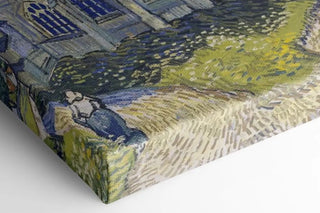
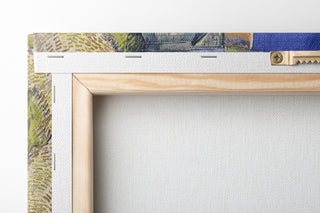
View from behind
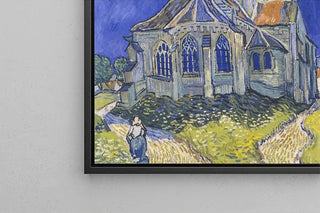
Frame (optional)
In the fascinating universe of art history, some artworks manage to transcend time and capture the collective imagination. "Judith with the Head of Holofernes" by Johann Peter Krafft is one of these iconic pieces. This canvas, depicting a biblical episode rich in symbolism, invites the viewer to immerse themselves in a story that is both dramatic and poignant. The artist, by choosing to portray Judith in a moment of triumph, evokes universal themes such as bravery, femininity, and the fight against oppression. The work, through its visual power, still resonates today, inspiring admiration and reflection.
Style and uniqueness of the work
Krafft's style is distinguished by a remarkable mastery of chiaroscuro, a technique that highlights the contrasts between shadow and light, thus giving his compositions a striking depth. In "Judith with the Head of Holofernes," this technique is executed with astonishing precision. The meticulous details of Judith's face, filled with resolute determination, contrast with the heavy shadow of Holofernes' decapitated head. The rich colors and delicate textures create an atmosphere that is both intense and captivating. The artist manages to breathe life into his characters, making the moment almost tangible. Every brushstroke seems to tell a story, and the viewer's gaze is irresistibly drawn to the drama unfolding on the canvas.
The artist and his influence
Johann Peter Krafft, born in 1780, was an Austrian painter whose work is set within a rich historical context, marked by political and social upheavals of his time. Trained in the academic tradition, he incorporated elements of Romanticism into his creations, adding an emotional dimension to his subjects. Krafft was influenced by the masters of the Renaissance and Baroque, but he also developed a distinctive style that is recognizable. His work "Judith with the Head of Holofernes" exemplifies this duality: a reference to artistic traditions while asserting a
Painting Judith with the Head of Holofernes - Johann Peter Krafft | Art print

-10% FROM €95 IN PURCHASES
-15% FROM €195 IN PURCHASES
Regular price
- Unit price
- per
Tax included.
Free shipping
€4.90 / Free shipping on orders over €39
Satisfied or Money Back
Free returns within 30 days
10-year warranty
Our prints are guaranteed for 10 years
Any questions? We are here!
by email to contact@artemlegrand.com
THE STEPS OF YOUR ORDER

STEP 1 - ORDER PLACED
Your order has been confirmed and we are starting production
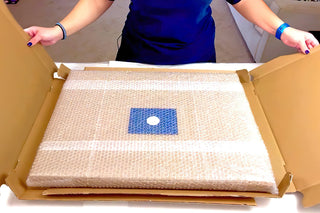
STEP 2 - SHIPPING
We ship your order. We send you an email to track the progress

STEP 3 - DELIVERY
You receive your order. You can also, according to your choice, be delivered to a relay point.
Matte finish
View from behind
Frame (optional)
In the fascinating universe of art history, some artworks manage to transcend time and capture the collective imagination. "Judith with the Head of Holofernes" by Johann Peter Krafft is one of these iconic pieces. This canvas, depicting a biblical episode rich in symbolism, invites the viewer to immerse themselves in a story that is both dramatic and poignant. The artist, by choosing to portray Judith in a moment of triumph, evokes universal themes such as bravery, femininity, and the fight against oppression. The work, through its visual power, still resonates today, inspiring admiration and reflection.
Style and uniqueness of the work
Krafft's style is distinguished by a remarkable mastery of chiaroscuro, a technique that highlights the contrasts between shadow and light, thus giving his compositions a striking depth. In "Judith with the Head of Holofernes," this technique is executed with astonishing precision. The meticulous details of Judith's face, filled with resolute determination, contrast with the heavy shadow of Holofernes' decapitated head. The rich colors and delicate textures create an atmosphere that is both intense and captivating. The artist manages to breathe life into his characters, making the moment almost tangible. Every brushstroke seems to tell a story, and the viewer's gaze is irresistibly drawn to the drama unfolding on the canvas.
The artist and his influence
Johann Peter Krafft, born in 1780, was an Austrian painter whose work is set within a rich historical context, marked by political and social upheavals of his time. Trained in the academic tradition, he incorporated elements of Romanticism into his creations, adding an emotional dimension to his subjects. Krafft was influenced by the masters of the Renaissance and Baroque, but he also developed a distinctive style that is recognizable. His work "Judith with the Head of Holofernes" exemplifies this duality: a reference to artistic traditions while asserting a
12,34 €